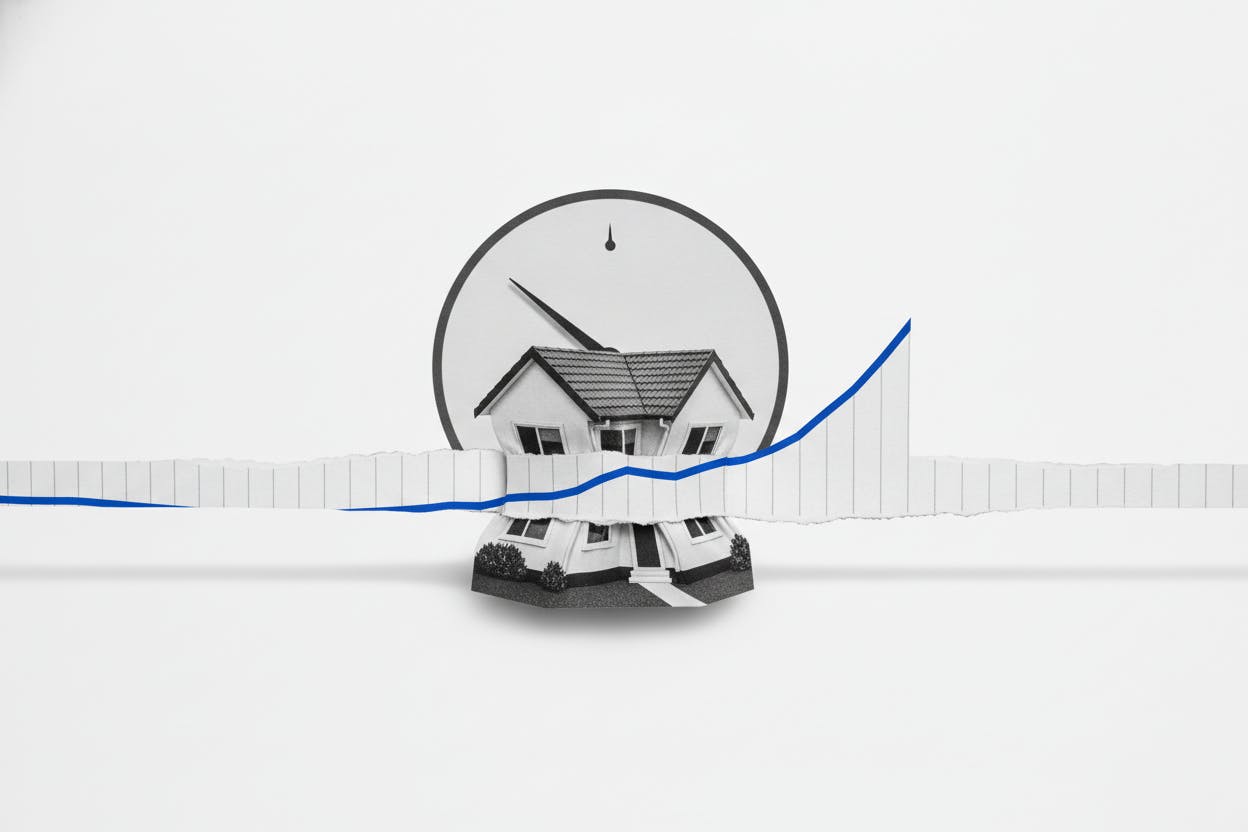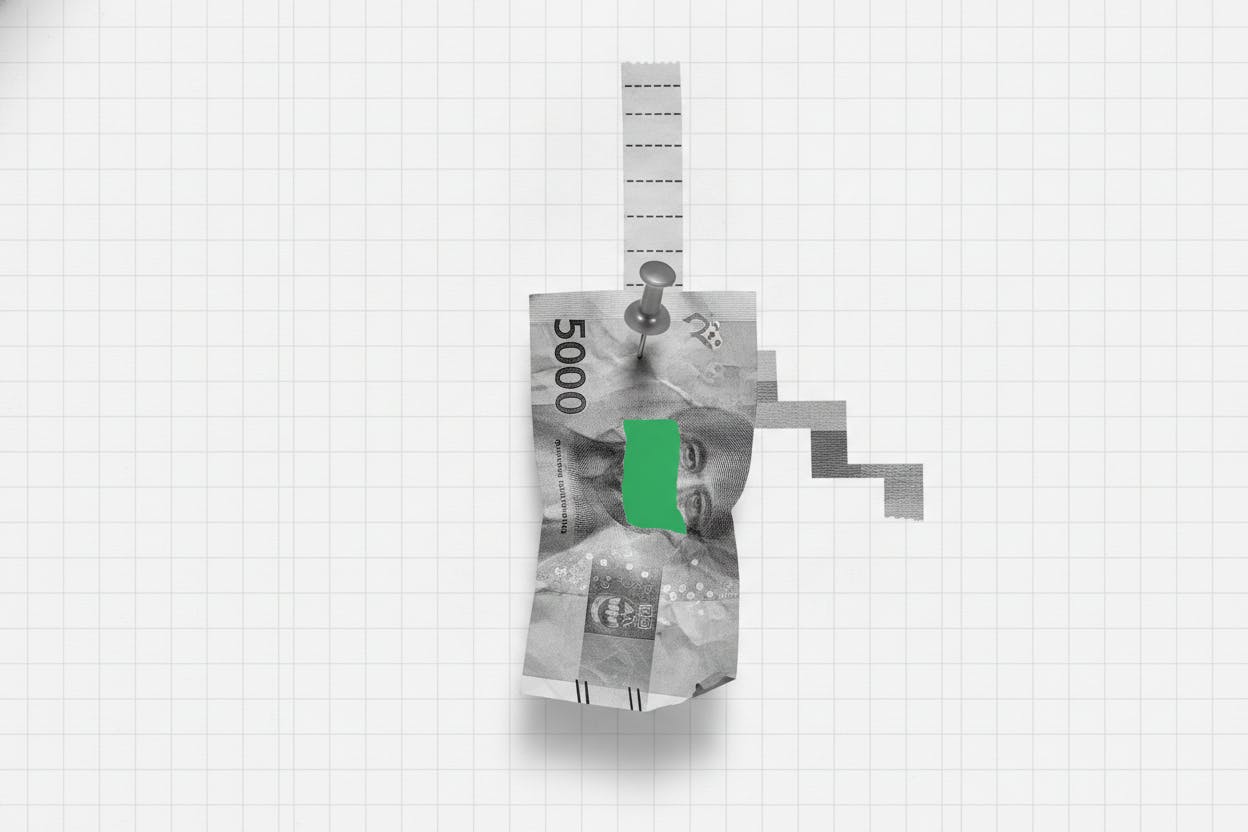
Indonesia's retail sector continued to struggle in June, with sales falling 3% year on year, according to a survey by Bank Indonesia (BI), the country's central bank. The decline marks the third consecutive month of contraction, though it was a slight improvement from May's 3.9% drop. BI expects the data to turn positive again in July, projecting growth of 0.9%.
What the numbers show
The BI survey, which tracks retail sales across the country, indicates that households remain cautious in Southeast Asia's largest economy. The weakness was not uniform across categories. Sales of food, beverages, tobacco, and clothing were still down, while spending on spare parts and household equipment rose. That pattern suggests consumers are prioritizing essentials and practical upgrades over discretionary purchases.
Retail sales are a key indicator of domestic demand, which is a major driver of Indonesia's economy. When consumers pull back, it can signal broader economic slowdown, affecting everything from corporate earnings to government tax revenues.
Why it matters
For everyday investors, retail sales data offer a window into the health of the consumer sector. A prolonged slump could weigh on the earnings of retailers, consumer goods companies, and even banks that lend to households. Conversely, a rebound, as BI expects, could support the case for a more resilient economy.
The central bank's forecast of 0.9% growth in July suggests that the worst may be over, but it is still a modest recovery. Investors will be watching upcoming data to see if the rebound materializes and whether it broadens beyond the categories that are currently holding up.
What it means for investors
For those with exposure to Indonesian assets, the retail sales trend is a signal to monitor. A sustained recovery could boost consumer-related stocks and the rupiah, while continued weakness might prompt BI to consider policy support. However, the central bank has been focused on inflation and currency stability, so any rate cuts may be limited.
It's also worth noting that Indonesia is not alone in facing consumer caution. Similar trends have been seen in other emerging markets, where high food and energy prices have squeezed household budgets. As such, the retail sales data is part of a broader global picture.
Investors should keep an eye on the July figures when they are released, as they will provide a clearer indication of whether the rebound is real or just a temporary blip. In the meantime, the June data serves as a reminder that consumer spending can be volatile, and that even in a growing economy, there are periods of weakness.
For those looking to diversify, other markets may offer more robust consumer trends. For instance, Home Depot's contractor sales strength in the US points to a different dynamic, where home improvement spending remains solid. Similarly, Ferguson's raised sales outlook suggests that some companies are seeing demand pick up.
Ultimately, the Indonesian retail sales data is a reminder that economic indicators can be mixed, and that investors should look at the broader picture rather than reacting to a single month's numbers. The central bank's expectation of a rebound is a positive sign, but it will need to be confirmed by actual data.