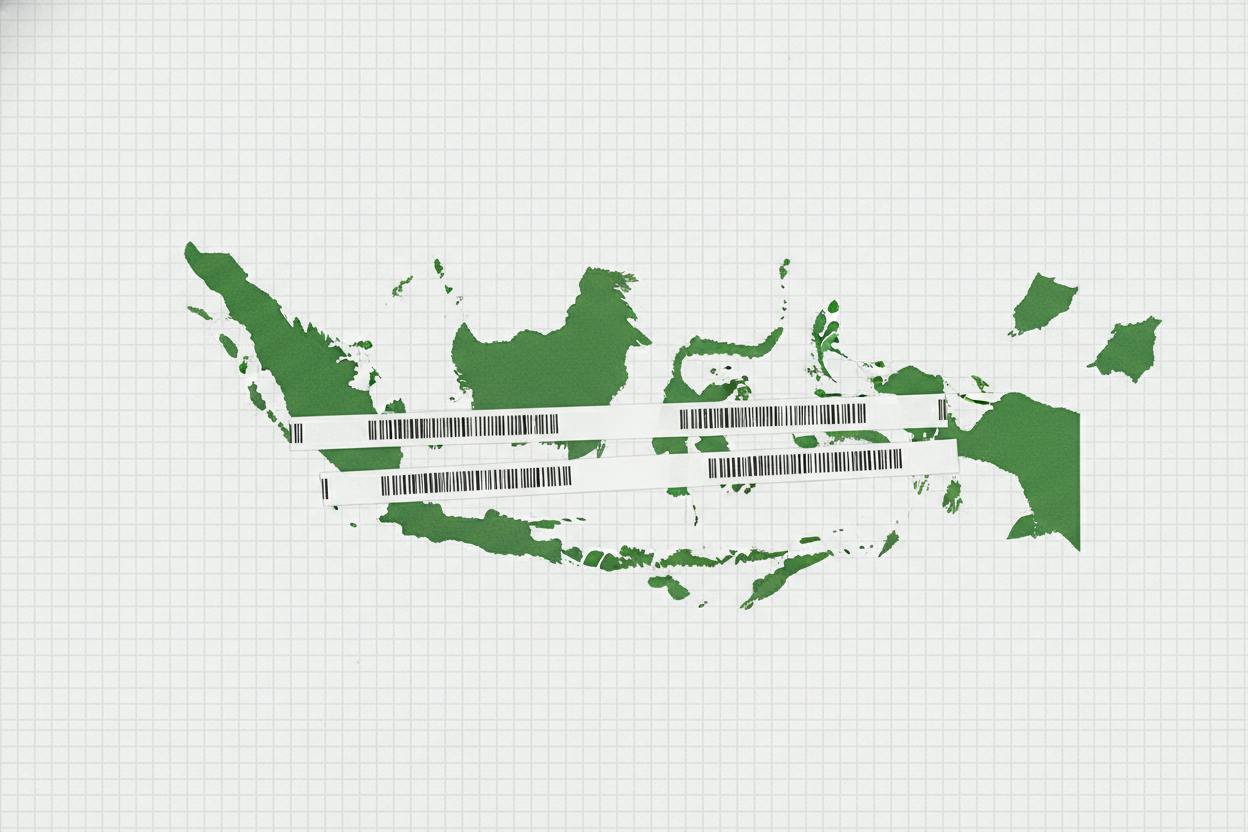
Indonesian stocks staged a sharp rebound this week after the country's exchange moved to address concerns raised by index provider MSCI, which had spooked investors and triggered a steep selloff. The bounce in Jakarta contrasted with continued pressure elsewhere in emerging Asia, where Taiwan's currency slid on foreign outflows and South Korea's chip-heavy index struggled.
What happened
Last week, MSCI—whose benchmarks guide billions of dollars in global fund flows—flagged questions about how investable parts of Jakarta's market are. The warning hit sentiment hard, and Jakarta shares sank nearly 15% over two sessions. The Indonesia Stock Exchange responded by announcing measures to improve market accessibility, including removing stocks with very concentrated ownership from its benchmark index and halving the daily down limit, which is the maximum percentage a stock can fall in a single trading day.
Following those steps, Jakarta shares bounced as much as 3.8%, offering some relief to investors who had been caught off guard by the sudden drop. The exchange's actions were aimed at reassuring both domestic and international investors that the market remains open and tradeable.
Why MSCI matters
MSCI is one of the most influential index providers in the world. Many global funds, including exchange-traded funds (ETFs) and pension funds, track MSCI indexes when deciding where to allocate money. When MSCI raises concerns about a market's structure—such as issues with liquidity, foreign ownership limits, or trading rules—it can prompt funds to reduce their exposure, leading to sharp outflows and price declines.
In Indonesia's case, the concerns centered on how easily investors can buy and sell shares. Concentrated ownership, where a few large shareholders control most of a company's stock, can make it difficult for outsiders to trade without moving prices significantly. By addressing these issues, the exchange hopes to keep Indonesia in MSCI's indexes and avoid further outflows.
This episode is a reminder of how much influence index providers can have over emerging markets. A single warning can trigger a selloff, but a credible response can help restore confidence.
Pressure elsewhere in Asia
While Indonesia stabilized, other parts of emerging Asia remained under strain. Taiwan's dollar weakened as foreign investors pulled money out of the market, a trend often driven by concerns about valuations or global interest rates. Meanwhile, South Korea's stock index, which is heavily weighted toward semiconductor makers, stayed under pressure as chip stocks lagged.
The tech sector has been a key driver of Asian markets this year, but it has also been volatile. Rising bond yields, which make future earnings less attractive, have weighed on tech valuations globally. As rising bond yields hit tech stocks, including in Japan, investors are watching whether the selloff spreads further.
What it means for investors
For everyday investors, the key takeaway is that emerging markets can be sensitive to both global trends and local policy decisions. Index provider warnings are not common, but when they happen, they can lead to sharp, short-term moves. The Indonesian exchange's quick response shows that authorities are paying attention to investor concerns, which may help limit long-term damage.
However, the broader picture in Asia remains mixed. Taiwan's currency weakness and South Korea's chip slump suggest that foreign investors are still cautious about the region. As tech's outsized earnings role poses a balancing act for markets, any further weakness in global tech could spill over into Asian markets.
Investors should also keep an eye on how MSCI responds to Indonesia's measures. If the index provider is satisfied, Jakarta could see renewed inflows. If not, further volatility is possible. For now, the bounce offers a measure of relief, but the episode underscores the importance of understanding market structure risks when investing in emerging economies.
As always, diversification remains a prudent strategy. Emerging market stocks can offer growth potential, but they come with higher volatility and unique risks. Keeping a balanced portfolio can help cushion against sudden swings like the one seen in Jakarta.