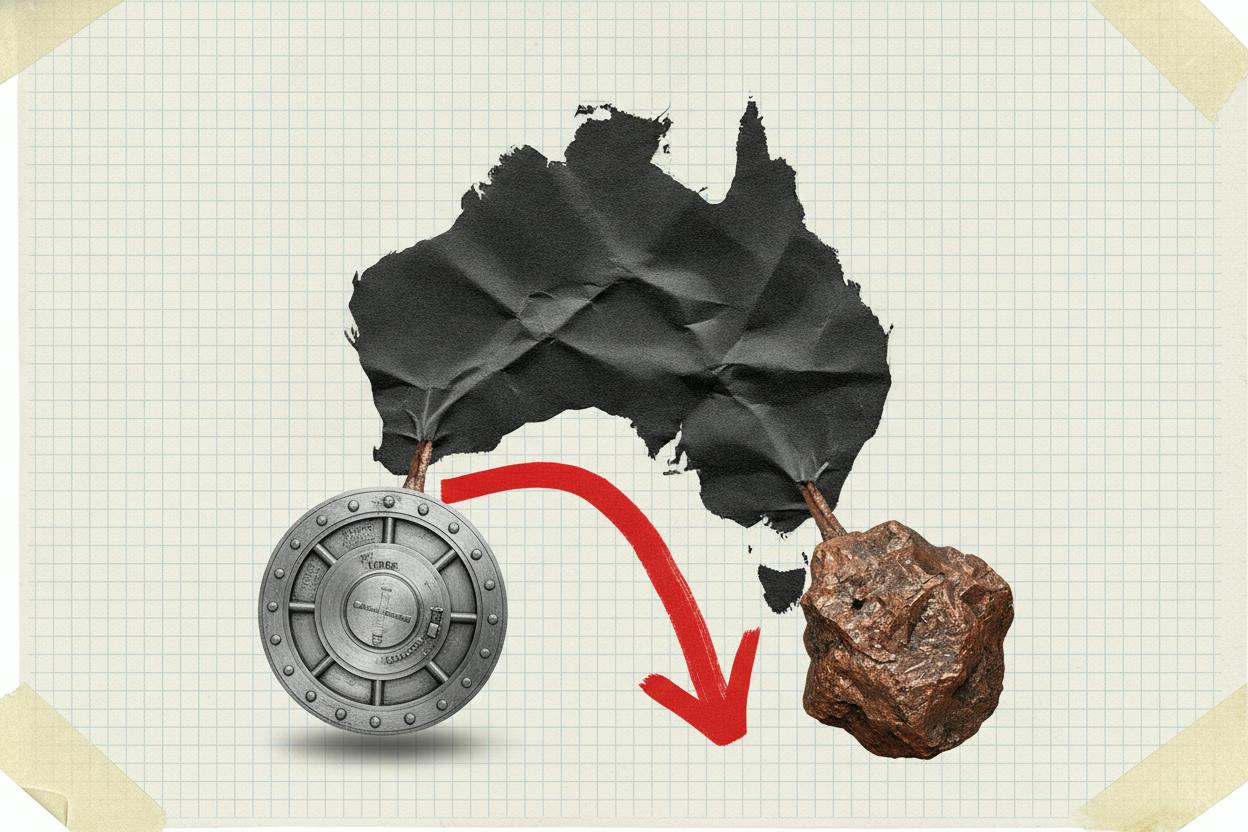
Australia's S&P/ASX 200 slipped 0.3% to 8,816.90 on Tuesday, dragged down by two of the country's corporate heavyweights: National Australia Bank (NAB) and mining giant BHP. The decline came as NAB flagged a A$300 million restructuring charge expected in 2027, and BHP reported a sharp drop in first-quarter copper output.
While the headline index fell, the move was less about the overall health of the Australian economy and more about how the benchmark is constructed. The S&P/ASX 200 is a market-cap weighted index, meaning the largest companies have the biggest influence on its daily moves. Banks and diversified miners together account for a significant slice of the index, so when one of them stumbles, it can pull the whole benchmark down even if many other stocks are trading higher.
NAB's restructuring bill
National Australia Bank said it expects to take a A$300 million charge in 2027 related to a restructuring program. The charge is tied to an earlier announcement that the bank plans to cut up to 2,500 jobs as part of a push to streamline operations and cut costs. The job cuts and restructuring plan were already known to the market, but the formal flagging of the charge adds a concrete number to the cost side.
Restructuring charges are one-off costs that companies take when they reorganise, such as paying severance to laid-off workers, closing branches, or writing down assets. For NAB, the charge will hit its 2027 financial results, reducing reported profit in that year. However, investors often look past such charges because they are non-recurring and may signal future cost savings. The bank's move is part of a broader trend among Australian lenders to cut costs as they face intense competition and pressure on margins.
BHP's copper setback
BHP, the world's largest listed miner, reported a sharp drop in first-quarter copper output. The company attributed the decline to disruptions at its Escondida mine in Chile, the world's largest copper operation. Copper output fell 19% in the quarter, a bigger fall than analysts had expected.
Copper is a key metal for BHP and for the global economy, used in everything from construction to electric vehicles and renewable energy infrastructure. The drop in output is a reminder that mining companies are exposed to operational risks, such as labour strikes, weather events, and equipment failures, which can hit production even when demand is strong.
BHP's shares fell on the news, adding to the pressure on the ASX 200. The miner is one of the largest stocks in the index, so its moves have an outsized impact on the benchmark.
What it means for investors
For everyday investors, the day's moves highlight the importance of understanding how an index works. A falling index does not necessarily mean all stocks are falling. In fact, many sectors may have been in positive territory, but the losses in banks and miners outweighed those gains.
Investors with diversified portfolios that track the ASX 200 should be aware that the index is heavily tilted toward financials and materials. That means the performance of your investment is closely tied to the fortunes of a handful of large companies. If you want to reduce that concentration risk, you might consider adding exposure to other sectors or markets.
For NAB, the restructuring charge is a sign that the bank is serious about cutting costs, which could support profitability in the long run. But it also means 2027 earnings will be lower than they otherwise would have been. For BHP, the copper output drop is a short-term setback, but the company's long-term outlook depends on global demand for metals, particularly as the world transitions to cleaner energy.
The broader Australian market has been under pressure recently, with consumer confidence slipping and inflation expectations climbing. Investors are also watching global factors, such as China's economic slowdown, which is a major buyer of Australian commodities, and rising bond yields that have hit tech stocks elsewhere.
In the near term, market watchers will be looking at how BHP responds to the copper output shortfall and whether NAB's restructuring delivers the expected savings. For now, the ASX 200's dip is a reminder that even a small move in a few big names can move the whole market.