IndusInd Bank has taken the unusual step of firing its former chief executive, Sumant Kathpalia, and says it will try to recover compensation paid to him since he took the top job in March 2020. The decision follows an internal inquiry linked to a $230 million derivatives accounting hit that has shaken investor confidence in the Mumbai-based lender.
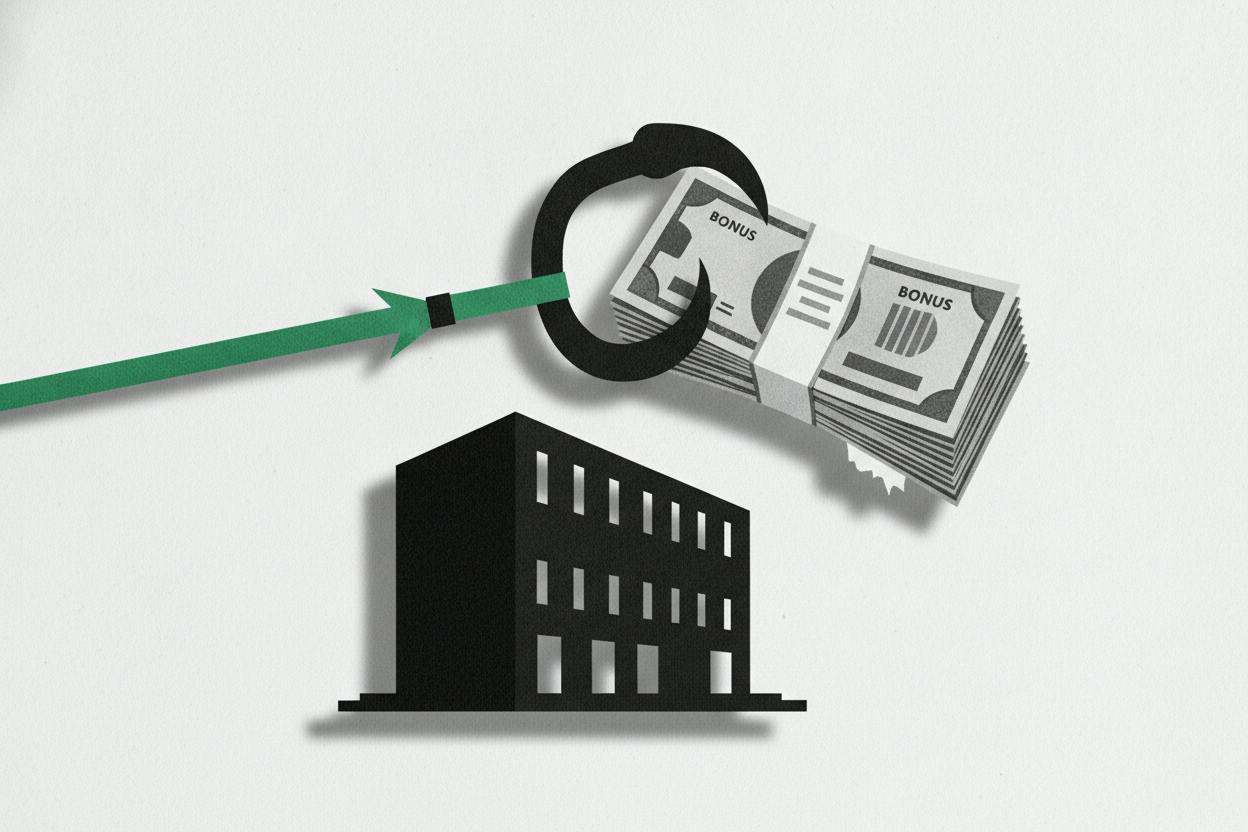
The bank said it will invoke so-called malus and clawback provisions in Kathpalia's pay package. Malus allows a bank to cancel unpaid bonuses or deferred stock, while clawback goes further, letting the lender demand money already paid out. Both tools are designed to hold senior executives accountable when misconduct or major control failures surface after the fact.
Why this stands out
Indian regulators have allowed banks to include these provisions in executive contracts since 2019, but they have rarely been used in practice. That makes IndusInd's move notable, both for its aggressiveness and for the signal it sends about how seriously the bank's board is treating the accounting problem.
The trouble began with a derivatives portfolio that, according to the bank, was not accounted for properly. The resulting $230 million hit forced IndusInd to set aside extra capital and triggered questions about oversight and internal controls. For a bank that had been seen as a steady performer, the episode has been a sharp reminder that even well-regarded lenders can stumble when complex financial instruments are involved.
Kathpalia, who led the bank for nearly five years, was initially expected to stay on until his term ended. Instead, the board moved to dismiss him and pursue recovery of compensation. The bank has not disclosed the exact amount it is seeking, but the clawback period covers his entire tenure, which suggests the figure could be substantial.
What malus and clawback actually mean
For everyday investors, the terms may sound like legal jargon, but they are straightforward. A malus clause lets a company reduce or cancel bonuses that have been awarded but not yet paid out. A clawback clause goes further, allowing the company to reclaim money that has already been handed over.
These provisions became more common globally after the 2008 financial crisis, when regulators wanted to discourage excessive risk-taking by tying pay to long-term performance and accountability. In India, the central bank permitted their use in 2019, but enforcement has been rare. IndusInd's decision to actually use them could encourage other banks and companies to take a harder line with executives when problems emerge.
The move also comes at a time when accounting issues are drawing increased scrutiny across markets. Regulators and investors are paying closer attention to how companies recognize revenue, value assets, and disclose risks. In that environment, a bank that acts decisively against a former CEO may be trying to reassure shareholders that it is serious about governance.
What it means for investors
For shareholders, the firing and clawback are a double-edged sword. On one hand, the bank is showing it will hold leadership accountable, which can be a positive sign for governance. On the other, the underlying accounting problem raises questions about the bank's internal controls and the reliability of its past financial statements.
Investors should watch for a few things in the coming weeks. First, how much of Kathpalia's compensation the bank actually recovers, and whether the clawback is challenged in court. Second, whether the bank's regulator, the Reserve Bank of India, takes any additional action. Third, how the bank plans to strengthen its controls to prevent a repeat.
The $230 million hit is not huge for a bank of IndusInd's size, but the reputational damage can be more significant. Trust is a fragile asset in banking, and investors will be looking for signs that the board is taking the problem seriously, not just in words but in actions.
This episode also fits into a broader pattern of accounting-related shocks in the financial sector. From accounting resets at other companies to regulatory probes into corporate books, investors are increasingly wary of surprises buried in financial statements. The lesson for everyday investors is to pay attention not just to a company's earnings, but to the quality of its accounting and the strength of its internal controls.
For now, IndusInd Bank's decision to fire its former CEO and seek his pay back is a clear statement. Whether it fully restores confidence remains to be seen, but it is a reminder that in banking, accountability can be just as important as profitability.