Infosys, one of India's largest IT-services companies, reported quarterly results that fell short of analyst expectations and trimmed the top end of its sales growth outlook to 3%. The company also announced a leadership transition, naming veteran executive Ashiss Kumar Dash as CEO designate, with a planned handover in April 2027.
The dual announcements highlight the challenges facing traditional IT outsourcing firms as artificial intelligence reshapes client demand and decision-making processes.
Growth Outlook Trimmed as Clients Tighten Spending
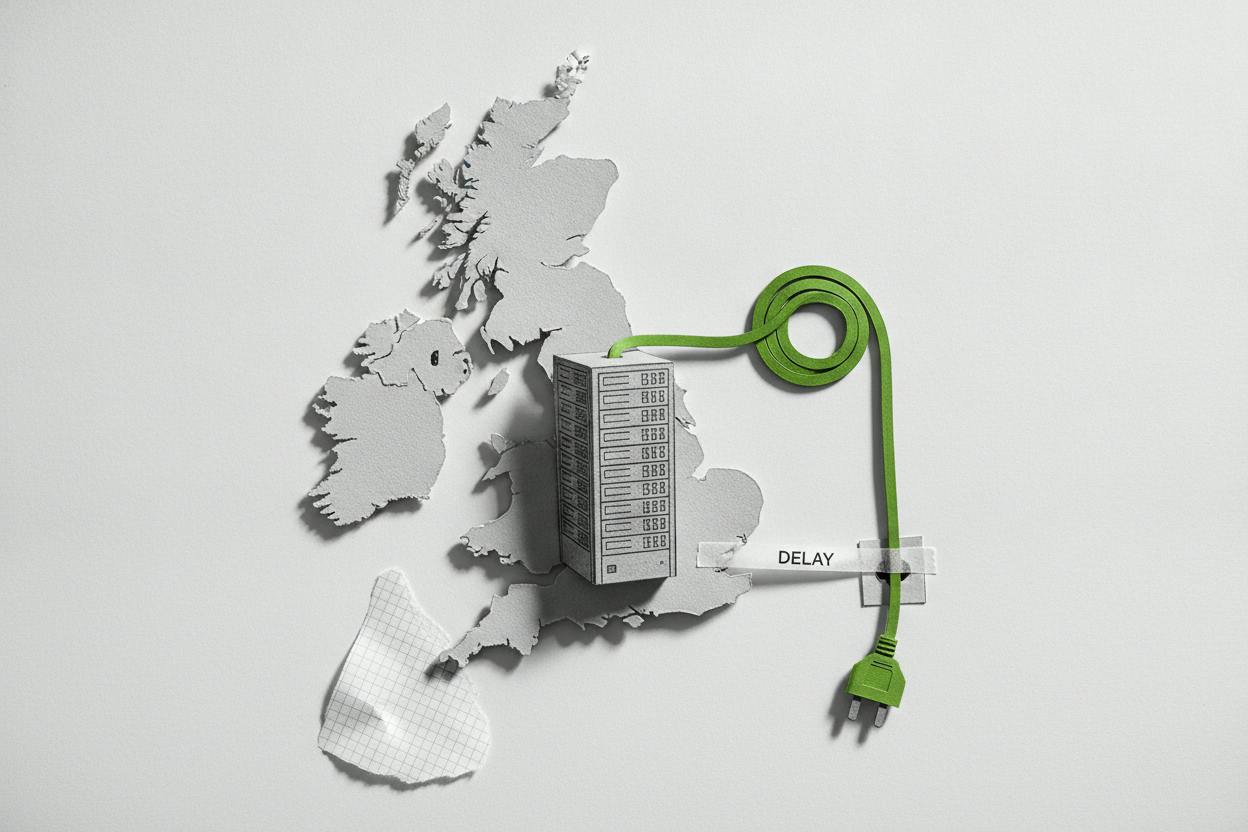
Infosys now expects revenue growth for the current fiscal year to reach up to 3%, down from the previous upper range. The revision follows a quarter where the company missed earnings estimates, reflecting a broader slowdown in the IT services sector.
According to the company, clients are taking longer to approve new projects and are more cautious about spending. The shift is partly driven by AI, which is changing what businesses want to outsource and how quickly they sign off on contracts. While AI-related work is becoming a larger share of Infosys's revenue, it has not been enough to offset the overall slowdown in decision-making.
This pattern is not unique to Infosys. Many IT services firms are navigating a period where clients are reassessing their technology investments, balancing cost pressures with the need to adopt new AI tools. The result is a more drawn-out sales cycle, even as the long-term demand for digital transformation remains intact.
Leadership Transition: Ashiss Kumar Dash Named CEO Designate
Alongside the earnings news, Infosys announced that Ashiss Kumar Dash, a longtime company veteran, will become CEO designate, with the official handover scheduled for April 2027. The move provides clarity on succession planning at a time when the company faces strategic challenges.
Dash has spent decades at Infosys, holding various leadership roles across sales, delivery, and client relationships. His appointment signals continuity and a focus on operational stability as the company adapts to the AI-driven shift in client demand.
The lengthy transition period—nearly two years—gives Dash time to work closely with the current CEO and board, ensuring a smooth handover. It also allows the company to maintain strategic direction while navigating the current market headwinds.
What It Means for Investors
For everyday investors, Infosys's results and outlook offer a window into the pressures facing the IT services industry. The company's trimmed growth forecast suggests that near-term revenue may be subdued, as clients remain cautious. However, the growing contribution from AI-related work is a positive sign that the company is adapting to technological change.
Investors should watch for signs that the longer sales cycles are starting to shorten, which would indicate that client confidence is returning. The leadership transition, while distant, provides some certainty about the company's future direction.
Infosys's situation echoes trends seen in other sectors where companies are adjusting to shifting demand patterns. For example, Compass Group's outsourcing engine has shown resilience, but the broader theme of cautious client spending is visible across industries. Similarly, Albertsons recently slashed its outlook as inflation-weary shoppers traded down, highlighting how changing consumer behavior can impact corporate forecasts.
In the tech sector, STMicroelectronics also missed estimates recently, pointing to uneven demand recovery. For Infosys, the key will be how quickly AI-related revenue can scale to offset the slowdown in traditional outsourcing.
The Bottom Line
Infosys's quarter was a mixed bag: a miss on estimates and a lowered growth outlook reflect near-term headwinds, but the growing AI revenue stream and clear succession plan offer some reassurance. Investors should monitor client spending trends and the pace of AI adoption, as these will determine whether the company can return to stronger growth in the coming years.