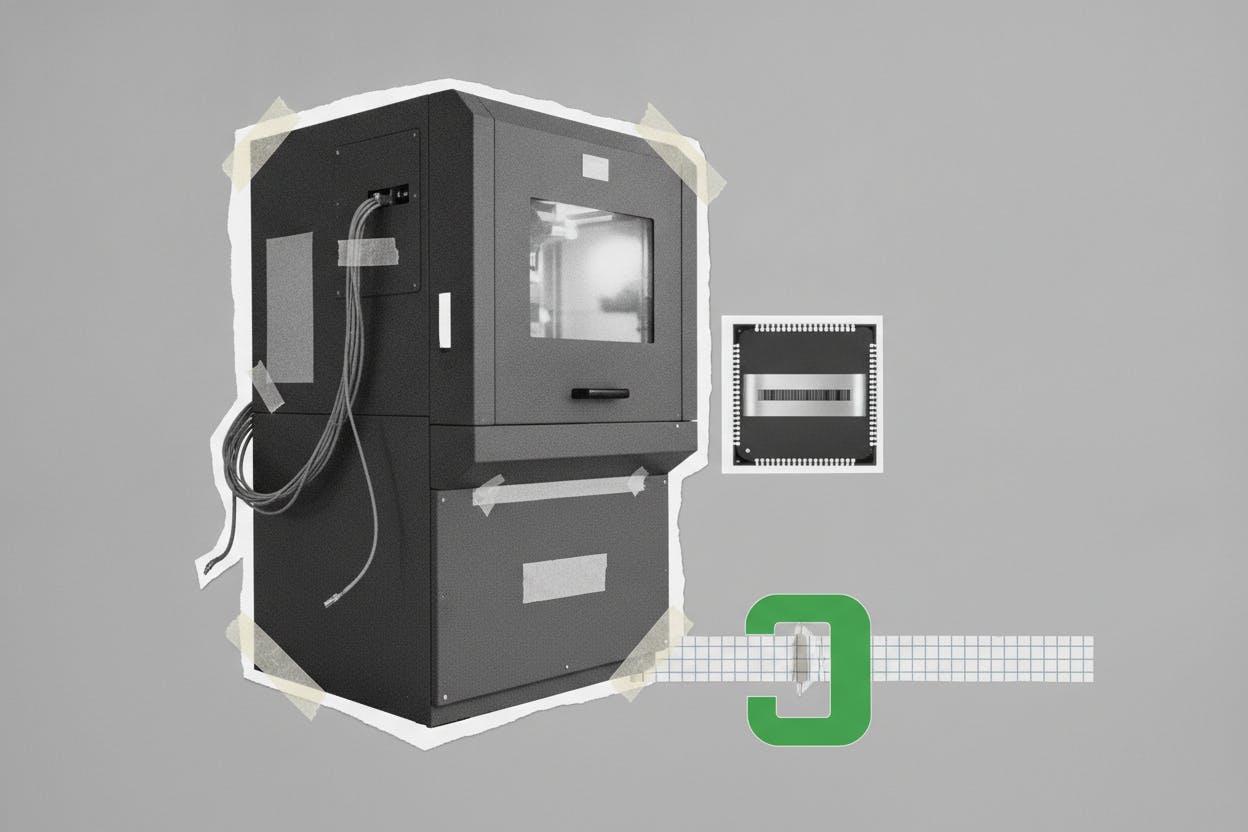
Intel has started using ASML's next-generation High NA EUV lithography machine on select layers of its upcoming Panther Lake laptop processors, the Dutch chip-equipment maker confirmed. The development moves the chipmaker from testing into early production, building on trials that began in 2024 at Intel's Hillsboro, Oregon research facility.
What Is High NA EUV and Why Does It Matter?
High NA EUV (extreme ultraviolet) lithography is the latest generation of the machines that print microscopic circuits onto silicon wafers. ASML, the Dutch company that dominates this market, sells these systems for roughly $400 million each. The "High NA" refers to a larger numerical aperture in the optics, which allows the machine to pattern smaller, more densely packed transistors. That translates directly into more powerful and energy-efficient chips.
For Intel, using High NA EUV on Panther Lake—a processor built on its 18A manufacturing process—signals an effort to regain a technology lead in chipmaking. The company has been investing heavily in advanced manufacturing, including a €5 billion expansion of its Irish chip plant to boost AI and high-performance computing output.
From Trials to Production
Intel received the first High NA EUV machine in late 2023 and began testing it in 2024. ASML's announcement that the tool is now being used on "select layers" of Panther Lake marks a transition from research to limited production. This is a typical step for new chipmaking equipment: companies first prove the technology works, then gradually integrate it into manufacturing lines.
Panther Lake is expected to be Intel's next major laptop processor family, following the Lunar Lake and Arrow Lake lines. By using High NA EUV on some layers, Intel can gain experience with the technology while still relying on existing EUV tools for the bulk of production. This phased approach reduces risk and allows the company to build know-how before committing fully to the new machines.
What It Means for Investors
For everyday investors, this news is a positive signal for both Intel and ASML. For Intel, it suggests the company is making progress in its turnaround plan under CEO Pat Gelsinger, which aims to restore Intel's manufacturing leadership and compete with Taiwan Semiconductor Manufacturing Co. (TSMC). Success with Panther Lake and the 18A process could help Intel win back customers for its foundry services, where it manufactures chips for other companies.
For ASML, the development reinforces its pricing power. The company's High NA EUV machines are the most expensive chipmaking tools ever built, and demand from leading-edge chipmakers like Intel, TSMC, and Samsung is expected to grow. Analysts have noted this strength: RBC recently raised its ASML price target to $2,000, citing the company's ability to command high prices for its advanced equipment.
However, investors should keep in mind that early production on a few layers does not guarantee widespread adoption. Intel still faces significant challenges, including a competitive market and the high cost of building new fabs. The company's foundry business is still in its early stages, and it will take time to see whether the High NA EUV investment pays off.
Broader Market Context
The chipmaking equipment sector is a bellwether for the broader semiconductor industry. When companies like Intel start using next-generation tools, it signals confidence in future demand for advanced chips. This is particularly relevant as AI and high-performance computing drive demand for more powerful processors.
ASML's monopoly on EUV technology makes it a key player in this story. The company's machines are essential for producing the most advanced chips, and any progress in their adoption is closely watched by investors. The High NA EUV tools are expected to be used for chips at the 2-nanometer node and beyond, which will power everything from smartphones to data centers.
For Intel, the move also comes as the company navigates a broader restructuring. While the Irish plant investment shows long-term commitment, Intel has also cut costs elsewhere. Investors will be watching for updates on Panther Lake's launch timeline and whether Intel can meet its foundry targets.
What to Watch Next
Key milestones to track include the full production ramp of Panther Lake, expected in 2025 or 2026, and Intel's ability to win external foundry customers. For ASML, investors will focus on order volumes for High NA EUV machines and any updates from TSMC and Samsung on their adoption plans.
In the near term, Intel's quarterly earnings will provide more details on the progress of its 18A process and the cost impact of using High NA EUV. ASML's next earnings report will also shed light on demand for its latest tools.