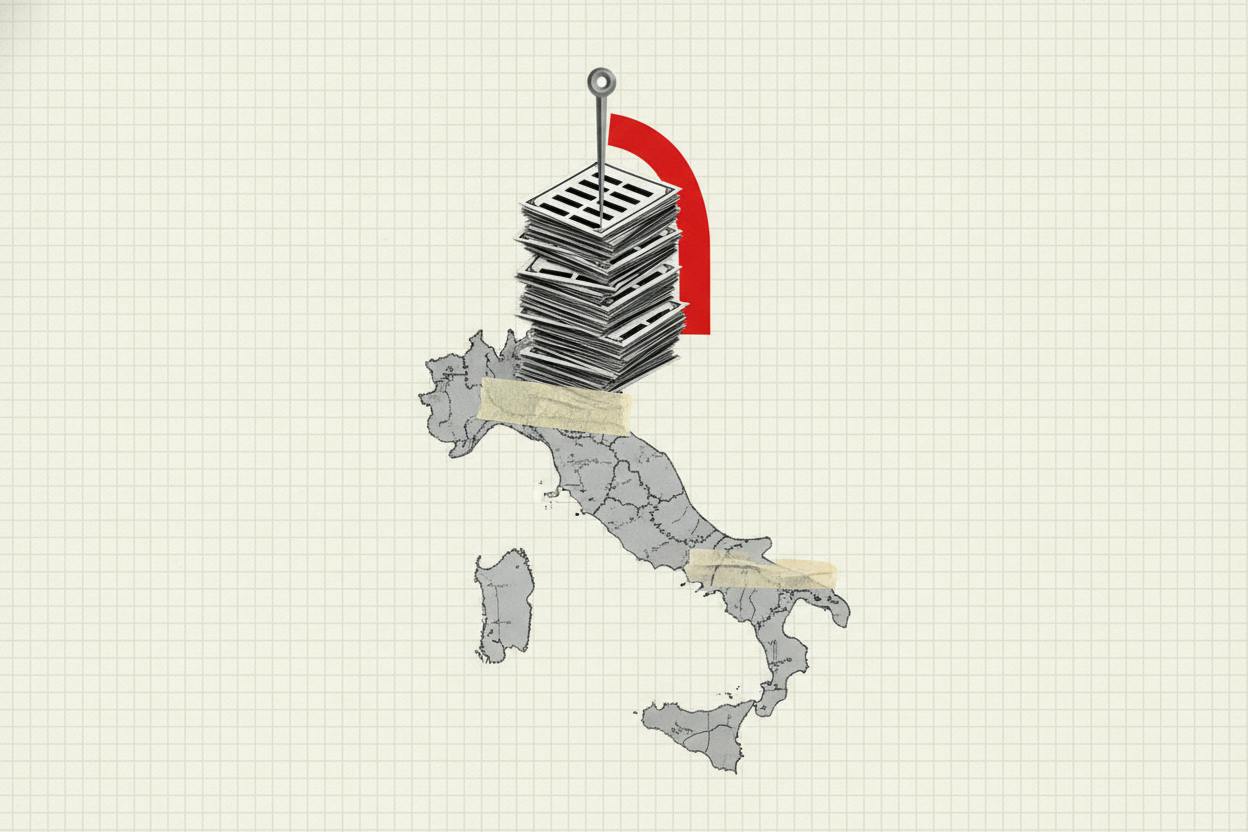
Italy's Treasury has raised its bond issuance target for the final three months of the year, signaling that the government needs to borrow more even as the cost of that borrowing climbs. The Treasury said fourth-quarter issuance will total between €59 billion and €69 billion, after the average interest rate on new debt rose to 2.94% in the first eight months of 2026.
The increase comes against a backdrop of rising yields across global bond markets, as investors demand higher returns for holding government debt. For Italy, which has one of the largest debt piles in Europe, even small moves in borrowing costs can have a big impact on the national budget.
Why is Italy borrowing more?
Governments issue bonds to raise money for spending that exceeds tax revenue. When a country runs a budget deficit, it sells bonds to investors, who receive interest payments in return. Italy's Treasury regularly announces how much it plans to sell each quarter, giving markets a sense of supply.
The new range for the fourth quarter is higher than what many analysts had expected, according to the brief. That suggests the government needs more cash than previously planned, possibly to cover higher interest expenses or other spending commitments.
The average cost of new debt has risen from 2.75% in 2025 to 2.94% this year. While that may sound like a small change, it matters because Italy has a huge stock of outstanding bonds. As older, cheaper bonds mature, they are replaced with new ones at higher rates, gradually pushing up the overall interest bill.
This dynamic is often called the "refinancing burden." Italy's debt is among the highest in the eurozone relative to the size of its economy, so even a modest rise in rates can translate into billions of euros in extra annual interest payments.
What does this mean for investors?
For everyday investors, the key takeaway is that Italy is paying more to borrow, and that cost will eventually flow through to the government's finances. Higher borrowing costs can lead to higher taxes or reduced public spending down the line, though that is not certain.
For bond investors, the higher issuance means more supply of Italian government bonds in the market. When supply increases, prices can fall, pushing yields up further. That could be a headwind for existing bondholders, as bond prices move inversely to yields.
However, Italian bonds still offer a yield premium over safer German bonds, which is why many international investors hold them. The spread between Italian and German 10-year yields is a closely watched indicator of market confidence in Italy's fiscal position.
The rise in borrowing costs is not unique to Italy. Across Europe and the United States, government bond yields have been climbing as central banks signal that interest rates will stay higher for longer. Rising Treasury yields have already dragged on financial stocks and other rate-sensitive sectors.
What to watch next
Investors will be watching Italy's upcoming bond auctions to see if demand keeps up with the increased supply. If buyers balk, yields could spike, making the debt burden even heavier.
Another factor is the European Central Bank's monetary policy. If the ECB keeps interest rates elevated, Italy's borrowing costs will stay high. Conversely, if the ECB starts cutting rates, Italy could see some relief.
The Italian government's budget plans for next year will also be scrutinized. Any sign that the deficit is not shrinking could spook markets and push yields higher.
For now, the message from Rome is clear: Italy needs to borrow more, and it will cost more to do so. That is a trend worth monitoring for anyone with exposure to European bonds or Italian assets.
In related news, global markets have been wobbling as oil prices and Treasury yields climb, and gold has dropped as rising yields test investor demand. These moves show how interconnected bond markets are across the world.