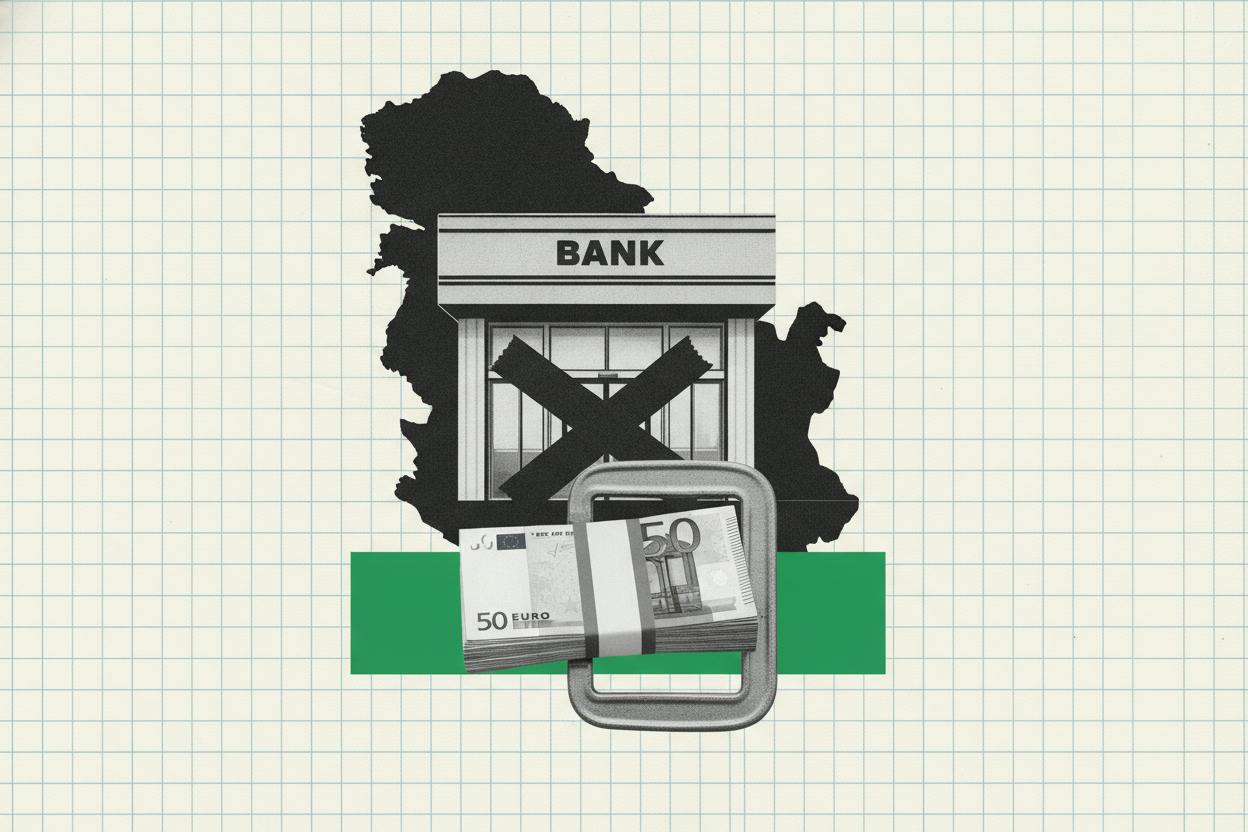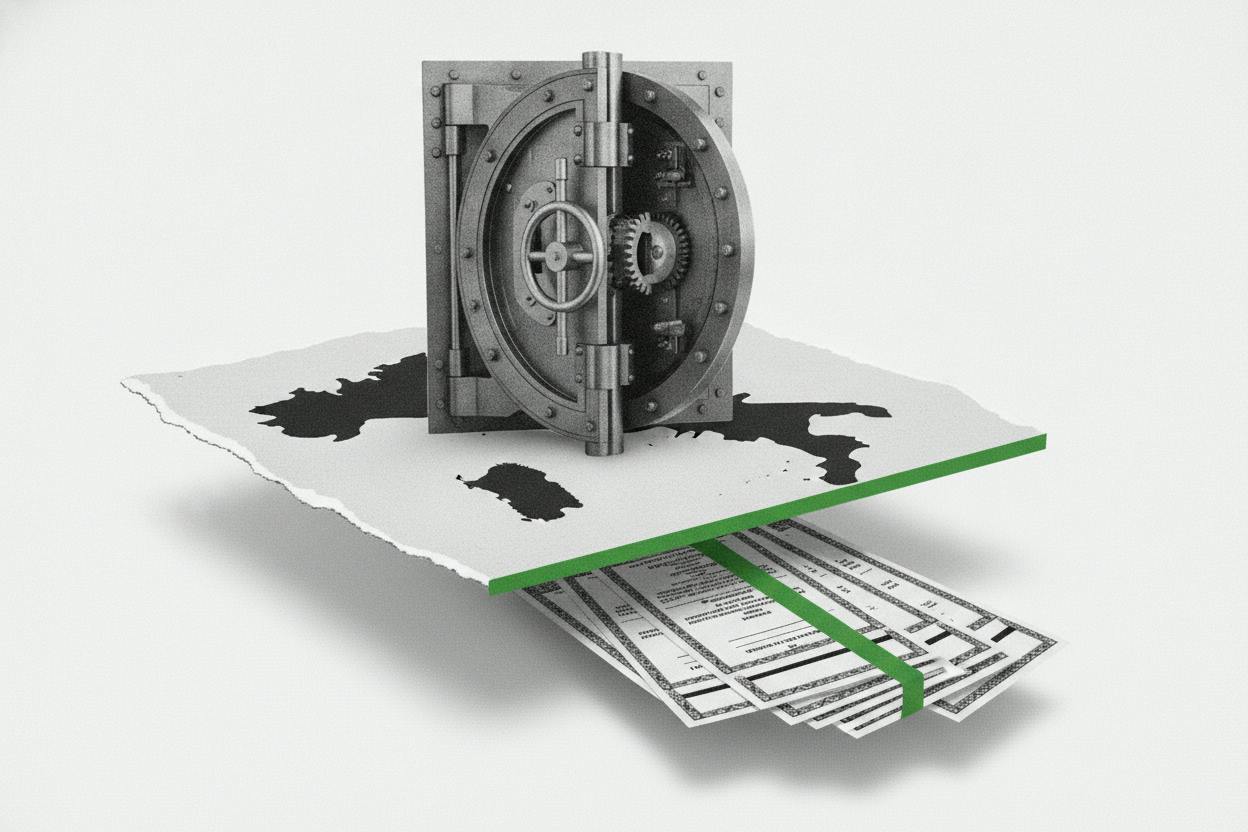
Italy's financial markets are bracing for a busy stretch as two major banking tie-ups converge with a large government bond sale. UniCredit, one of Italy's biggest lenders, is on the verge of receiving EU antitrust clearance for its acquisition of Commerzbank, Germany's second-largest bank. At the same time, Italy's Treasury has scheduled a bond auction for November 12, aiming to raise up to €7.25 billion.
These events are landing in the same window as corporate earnings and shifting government policy, creating a complex backdrop for investors. The bond auction, in particular, could have ripple effects across the banking sector, as Italian banks and insurers are major holders of government debt.
UniCredit's path to Commerzbank
According to Reuters, UniCredit expects unconditional EU antitrust approval for its acquisition of Commerzbank. CEO Andrea Orcel has pointed to steps such as a shareholder vote to refresh Commerzbank's board once control is secured. This would mark a significant milestone in a cross-border deal that has drawn attention across Europe.
UniCredit has been steadily building its stake in Commerzbank, and regulatory clearance would remove a key hurdle. The deal is part of a broader wave of consolidation in European banking, as lenders seek scale to compete with larger global rivals. For UniCredit, gaining control of Commerzbank would expand its presence in Germany, Europe's largest economy.
Investors have been watching the deal closely, as it could reshape the competitive landscape. The regulatory approvals are expected by the end of November, according to earlier reports. That timeline aligns with the current expectations.
Credit Agricole's Italian move
Meanwhile, France's Credit Agricole has proposed combining its Italian unit with Banco BPM, a move that would create Italy's third-largest bank. Banco BPM's shares jumped on the news, reflecting investor optimism about the potential merger. The bank's board is set to meet on November 12 for an initial review of the proposal.
This deal, if completed, would further consolidate Italy's banking sector, which has seen several mergers in recent years. It also highlights the attractiveness of Italian banks to foreign investors, despite the country's high public debt and sometimes volatile bond market.
The bond auction's impact
Hovering over all of this is the bond market. When Italy's Treasury sells new debt, investors effectively name the yield they want to lend at. A weak auction—one where investors demand higher yields—can raise borrowing costs more broadly. That matters because banks and insurers hold large amounts of Italian government bonds, known as BTPs. Yield swings can quickly affect their reported capital and the cost of raising money.
The November 12 auction's headline size of up to €7.25 billion is less important than the extra yield investors demand to absorb the new supply. If buyers insist on higher yields, BTP prices fall, which can create mark-to-market losses for domestic banks and insurers that hold plenty of them. Higher government borrowing costs can also lift banks' wholesale funding costs and widen the risk premium investors apply to their earnings.
In a week when UniCredit and Credit Agricole are trying to shape perceptions around Commerzbank and Banco BPM, that volatility can make deal terms look more or less attractive, even if the corporate story hasn't changed. For example, a sudden rise in Italian bond yields could make funding a deal more expensive, or it could make a target bank's assets seem cheaper.
What it means for investors
For everyday investors, the key takeaway is that Italy's bond auction could set the tone for bank stocks and deal valuations. If the auction goes smoothly, with yields staying in check, it could support confidence in the banking sector. If not, expect some turbulence.
Investors should also watch how the two bank deals progress. UniCredit's acquisition of Commerzbank is a major cross-border transaction that could set a precedent for future European banking mergers. Credit Agricole's proposal for Banco BPM, meanwhile, could reshape Italy's domestic banking landscape.
These developments come amid a broader backdrop of tighter scrutiny on debt deals and market volatility. While the focus here is on Italy, similar dynamics are playing out across global markets.
For those holding Italian bank stocks or bonds, the next few weeks could be pivotal. The bond auction on November 12 is a key date to watch, as is the Banco BPM board meeting on the same day. The outcomes could influence not only the deals themselves but also the broader perception of Italian risk.
As always, it's important to remember that markets can be unpredictable. While the news is positive for UniCredit's deal prospects, there's no guarantee that the bond auction will go smoothly. Investors should stay informed and consider how these events might affect their portfolios.