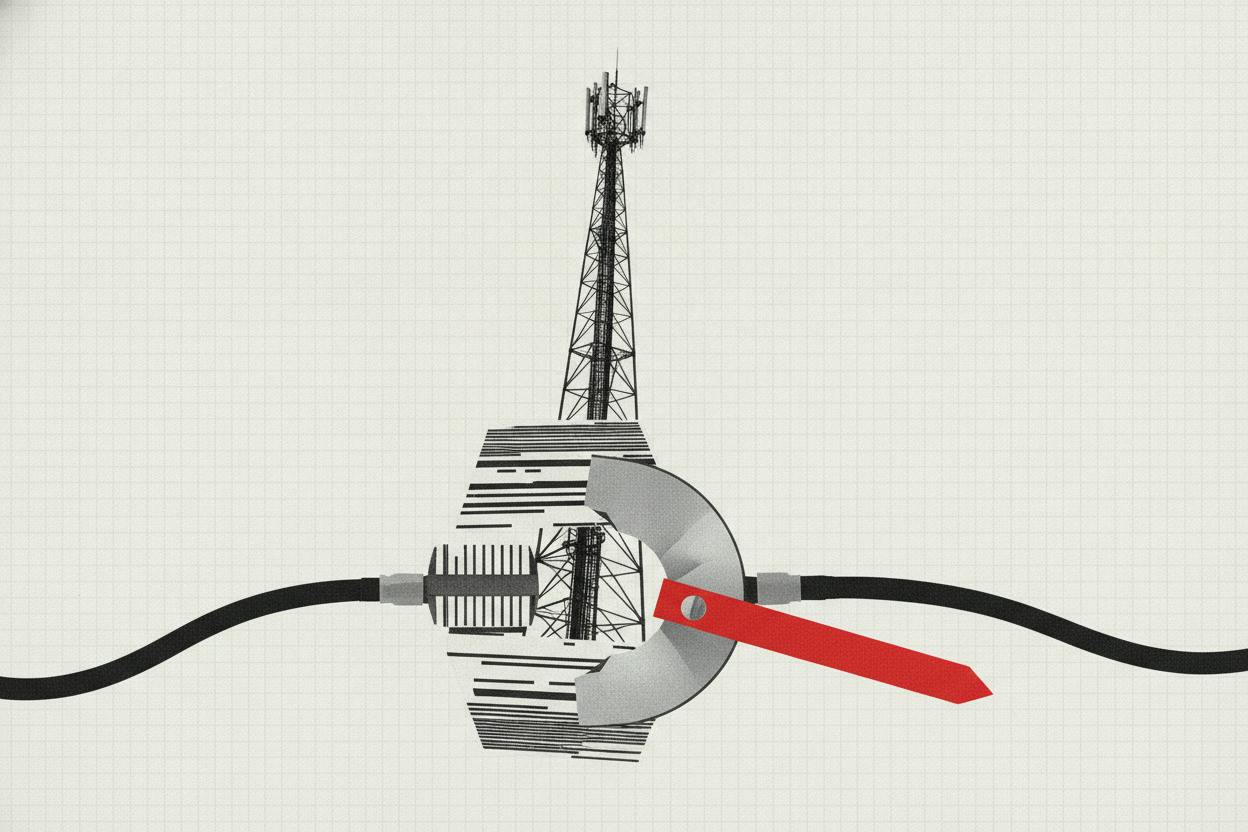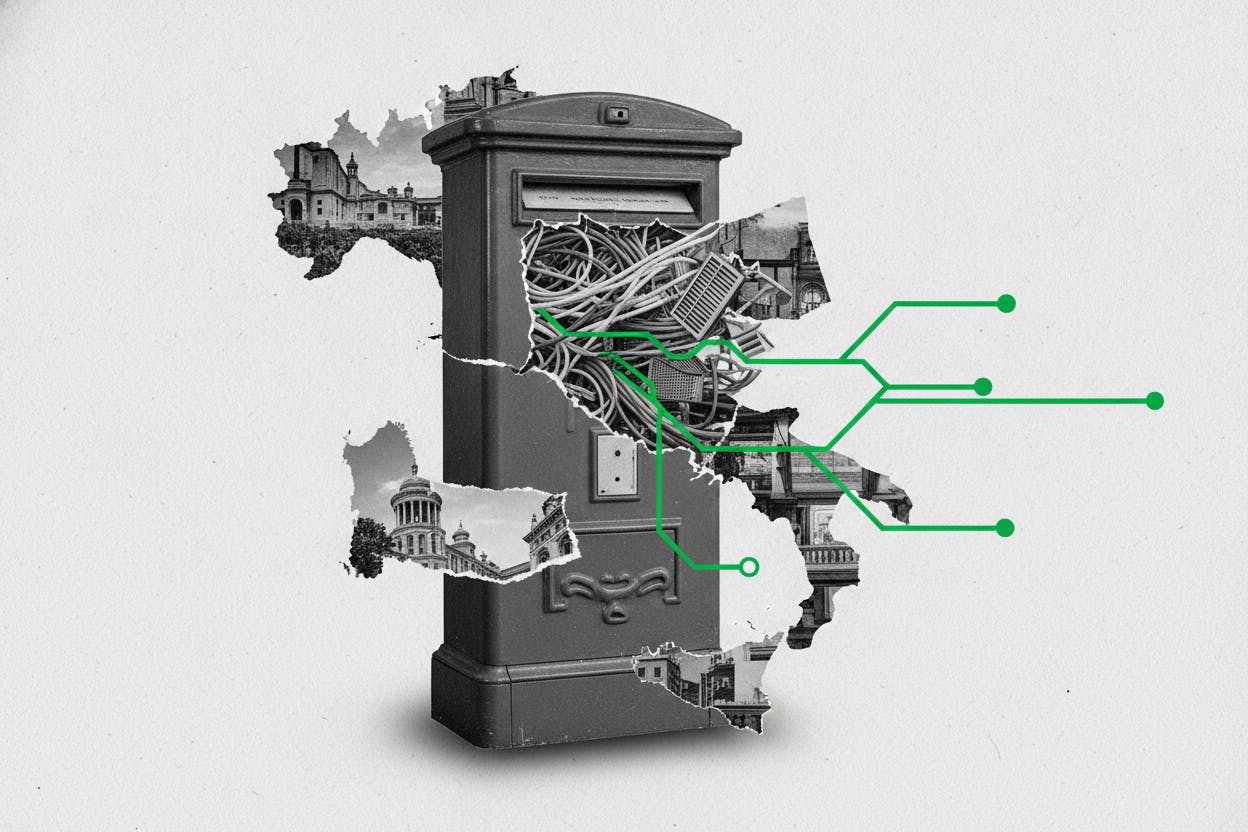
Italy's state-backed postal service, Poste Italiane, is considering a €13.5 billion bid for Telecom Italia (TIM), according to reports. The potential deal would mark a major shift for the post office, which is best known for handling mail, payments, and pension services, as it pushes deeper into cloud computing and edge computing.
The move comes as Italy seeks to build a more locally controlled digital backbone, reducing reliance on foreign tech giants for critical infrastructure. Poste Italiane, which is roughly two-thirds owned by the Italian government, is being positioned as a tool for what policymakers call "digital sovereignty."
What's Driving the Bid?
Telecom Italia, once the country's dominant phone company, has struggled in recent years with heavy debt and fierce competition in a low-profit telecom market. That has made it difficult for TIM to fund the expensive upgrades needed for next-generation networks and data centers.
Poste Italiane, by contrast, has a vast nationwide footprint with thousands of post offices across Italy. That physical network could be repurposed to host edge computing nodes—small data centers placed close to users—which are essential for low-latency applications like autonomous driving, industrial automation, and AI-powered services.
The bid also reflects a broader trend: governments and large companies are racing to build the infrastructure needed to support artificial intelligence. AI models require enormous computing power, often housed in massive data centers, but edge computing brings some of that processing closer to where data is generated. This hybrid approach is becoming increasingly important as AI applications expand beyond chatbots into real-world uses.
Investors have taken note of the infrastructure boom. As we reported, Asian fund giants Temasek and Goldman Sachs are getting pickier on AI bets, favoring infrastructure over pure-play AI startups. Similarly, UBS has suggested that SpaceX's Starship could turn the company into an AI infrastructure giant worth $660 billion by 2031, highlighting the scale of investment expected in this space.
What It Means for Investors
For everyday investors, this deal is a reminder that the AI boom isn't just about software companies like OpenAI or chipmakers like Nvidia. The physical infrastructure—networks, data centers, and edge computing nodes—is becoming just as critical.
If Poste Italiane succeeds in acquiring TIM, it would create a unique hybrid: a postal service that also owns a national telecom network and a growing cloud computing business. That could give it a competitive edge in offering services to businesses and government agencies that want to keep data within Italy's borders.
However, the deal faces significant hurdles. TIM's debt load is substantial, and integrating a telecom company into a postal service would be complex. Regulators may also scrutinize the deal closely, given Poste Italiane's state ownership and the strategic importance of telecom infrastructure.
For investors holding shares in either company, the bid introduces uncertainty. TIM's stock could see a premium if a deal goes through, but the negotiations could also drag on or fall apart. Poste Italiane's shareholders, meanwhile, would need to weigh the potential long-term benefits against the risks of taking on a struggling telecom operator.
The broader takeaway is that governments are increasingly willing to use state-owned enterprises to build digital infrastructure, especially in sectors tied to national security and economic competitiveness. This trend is not limited to Italy—similar debates are playing out across Europe and Asia about how to fund the next wave of telecom and data center investments.
As AI continues to reshape industries, the demand for computing power and connectivity will only grow. Companies that control the pipes and the processing—whether they are traditional telecoms, data center operators, or even postal services—could find themselves in a strong position. But as with any infrastructure play, the returns may take years to materialize, and the upfront costs are enormous.
For now, investors should watch how the Italian government navigates this potential deal. If it goes through, it could set a precedent for other countries looking to build state-backed tech backbones. If it fails, it may signal that even deep-pocketed state enterprises are wary of the risks in telecom consolidation.