Italy's government is juggling a costly new tax break with political stability, as Prime Minister Giorgia Meloni moves to quash speculation of an early election while the state absorbs a revenue hit of more than €2 billion a year.
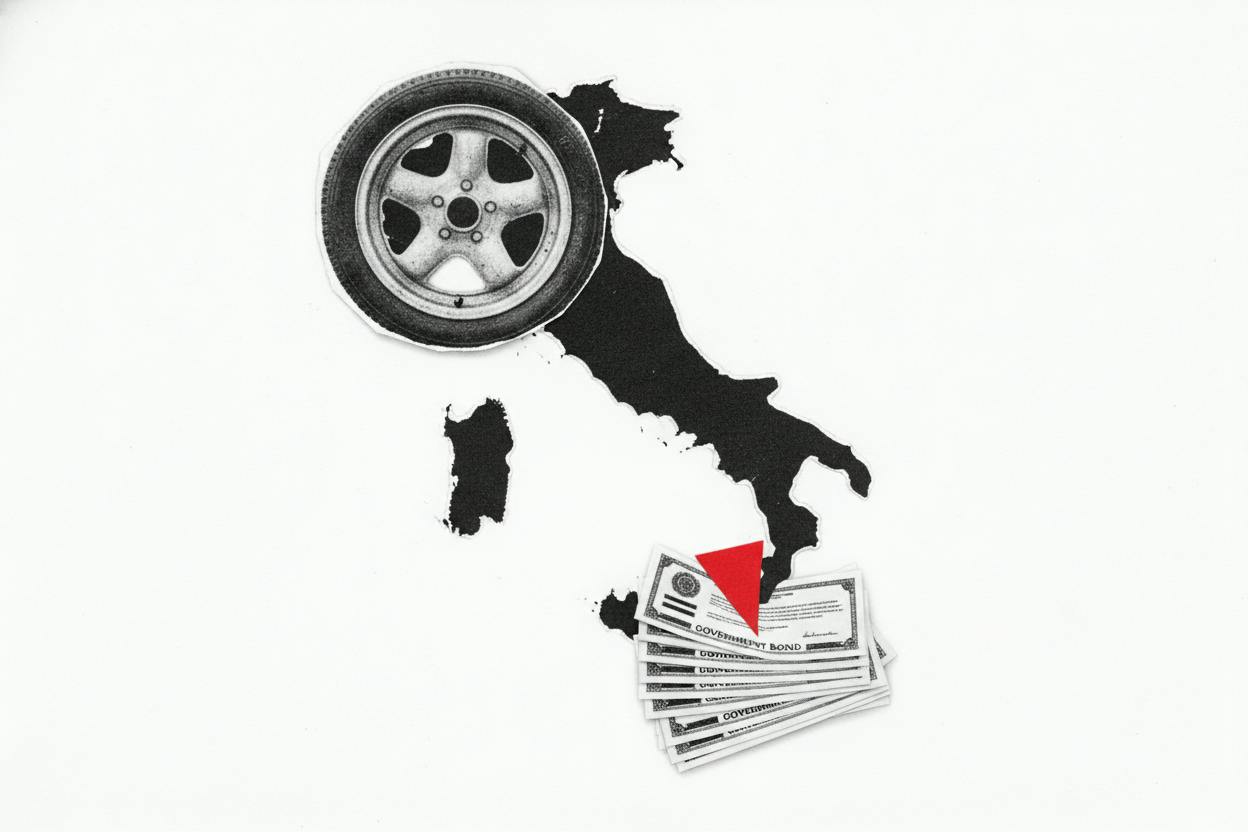
The road tax repeal, set to take effect next year, will apply to 14.5 million cars and motorcycles, according to government estimates. The move is a straightforward reduction in state income, and it comes at a time when Italy's public finances are already under scrutiny.
Meloni's continuity pledge
Meloni has explicitly ruled out calling an early vote, saying she intends to serve out the full legislature, which ends next autumn. The statement is aimed at calming markets that often fret over political uncertainty in the euro zone's third-largest economy.
Investors generally prefer predictable governments, as sudden changes in leadership can lead to policy reversals or delayed reforms. By committing to stay in office, Meloni is signalling that the current coalition's agenda—including its fiscal plans—will remain on track for the foreseeable future.
That message matters because Italy's debt load is among the highest in Europe, and any hint of instability can push up borrowing costs. The government's ability to manage its budget is closely watched by bond investors and the European Central Bank alike.
The cost of scrapping road tax
The road tax, known locally as the bollo, is an annual levy paid by vehicle owners. Repealing it will remove a steady stream of revenue, with the government now pricing the annual cost at over €2 billion starting next year.
For context, that is a meaningful slice of the state's budget, and it will need to be offset either by spending cuts, higher taxes elsewhere, or additional borrowing. The move is popular with motorists, but it adds to the pressure on Italy's fiscal position, which has already seen its budget gap widen sharply in recent months.
Italy has also been dealing with other budget pressures, including bank levies and a large bond auction, as the government tries to balance voter-friendly measures with the need to keep debt sustainable.
What it means for investors
For everyday investors, the key takeaway is that Italy is choosing to spend money on tax relief while trying to reassure markets that it won't rock the political boat. The road tax repeal is a clear fiscal cost, but the government is betting that the political stability will keep investor confidence intact.
Bond investors will be watching to see how Italy finances this new shortfall. If borrowing costs rise, that could ripple through European markets, as Italy is a major issuer of government debt. On the other hand, if the government can find offsetting savings, the impact may be limited.
For those with exposure to Italian assets—whether through bond funds, European equities, or currency plays—the main risk is that the fiscal picture deteriorates faster than expected. The road tax repeal is a reminder that governments often prioritise popular measures over strict budget discipline, especially when elections loom.
Meloni's decision to rule out an early vote removes one layer of uncertainty, but the underlying fiscal challenge remains. Investors will likely keep a close eye on Italy's next budget announcements and any signs that the deficit is ballooning beyond forecasts.
In the broader context, Italy's economy has shown some resilience, with services activity hitting a multi-year high and unemployment holding steady. But the fiscal arithmetic is getting tighter, and the road tax repeal adds to the strain.
As always, the balance between political promises and economic reality will be the story to watch. For now, Meloni is betting that continuity will buy her the credibility she needs to manage Italy's finances without spooking the markets.