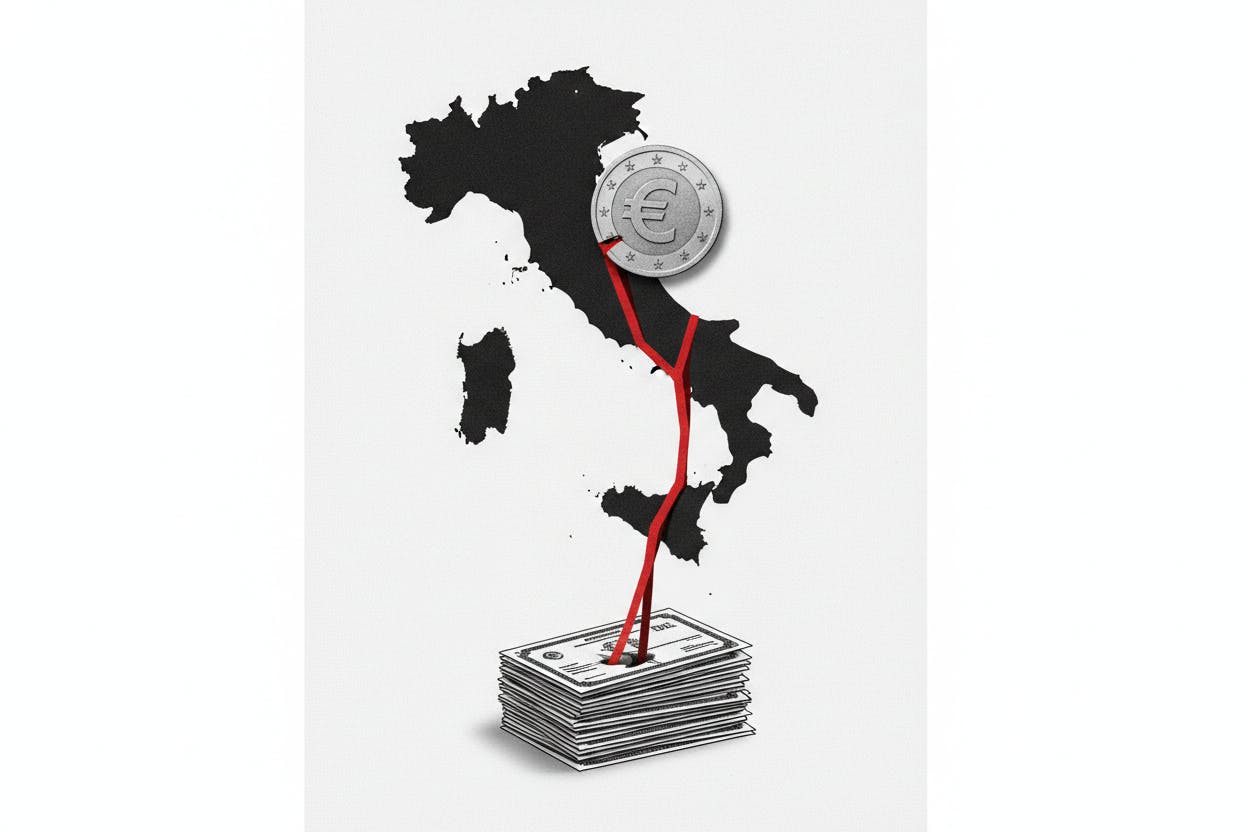
Italy's public finances took a notable turn for the worse in August, as the Treasury reported a budget shortfall of €12.3 billion—a dramatic increase from the €204 million deficit recorded in the same month last year. The figure, released as part of the government's monthly budget report, signals that the country's fiscal position is under pressure, and it could have ripple effects for investors holding Italian bonds or stocks.
What's behind the numbers?
The monthly budget balance measures the difference between what the government takes in (taxes, social contributions, and other revenue) and what it spends (public wages, pensions, interest payments, and so on). A deficit means spending exceeded revenue for the month. While monthly figures can be volatile—timing of tax receipts and spending can swing the number—the scale of this jump is striking.
Italy has long struggled with high public debt, one of the largest in the eurozone relative to its economy. The August figure adds to concerns that the government's fiscal path is deteriorating, especially as the European Union's new budget rules require member states to gradually reduce deficits and debt. A wider deficit means the Treasury will likely need to borrow more money in the coming months to cover the gap.
What it means for investors
For bond investors, the immediate implication is supply. When the government runs a bigger deficit, it typically issues more bonds to raise cash. That extra supply can weigh on bond prices, pushing yields higher. Italian bonds already pay a premium over safer German bunds, reflecting the country's higher debt and perceived risk. If investors demand even more compensation for holding Italian debt, borrowing costs rise, which can feed back into the budget by increasing interest payments.
The August data comes at a time when global bond markets are already sensitive to rising yields. As Wall Street slips on climbing Treasury yields, any additional pressure on European yields could add to the broader market unease. Investors will be watching whether the Italian government signals any changes to its fiscal plans or if the European Central Bank steps in to calm markets.
Corporate activity continues
While the budget news grabbed headlines, the corporate world in Italy remained active. Banks and automakers pressed ahead with share buybacks, takeover bids, and regulatory approvals. Buybacks—where companies repurchase their own shares—are often seen as a sign of confidence, as they reduce the number of shares outstanding and can boost earnings per share. For investors, buybacks can support stock prices, though they also mean the company is spending cash that could be used for other investments.
Takeover activity, meanwhile, can signal consolidation in an industry, potentially leading to synergies and cost savings. Regulatory green lights remove uncertainty, allowing deals to proceed. These developments are part of the normal rhythm of corporate life, but they take on added significance when the macro backdrop is shaky.
Broader context
Italy's fiscal situation is not happening in a vacuum. Across the eurozone, governments are grappling with how to balance spending needs with debt reduction. The European Central Bank has been raising interest rates to combat inflation, which makes borrowing more expensive for everyone, including governments. Higher rates mean Italy's debt servicing costs will rise over time, putting further strain on the budget.
At the same time, global markets have been jittery about geopolitical tensions and their effect on energy prices and inflation. As oil and Treasury yields rise on Middle East tensions, the cost of imported energy can push up inflation and widen trade deficits, adding to fiscal pressures. Italy, which imports much of its energy, is particularly exposed to such shocks.
What to watch next
Investors will be looking for several things in the coming weeks. First, any update from the Italian Treasury on its borrowing plans for the rest of the year. Second, the government's budget proposal for next year, which typically comes in the autumn and will show whether the deficit is expected to narrow. Third, how the bond market reacts—if yields spike, it could force the government to adjust its plans.
For everyday investors, the key takeaway is that Italy's fiscal health affects more than just Italian assets. A widening deficit can push up yields on Italian bonds, which can spill over into other European markets and even global sentiment. If you hold European bond funds or stocks with exposure to Italy, it's worth keeping an eye on these developments.
As always, it's important to remember that monthly budget figures are just one piece of the puzzle. The trend over several months matters more than a single month's number. But the sharp jump in August is a reminder that fiscal discipline remains a challenge for Italy, and that the country's debt burden is a factor that investors cannot ignore.