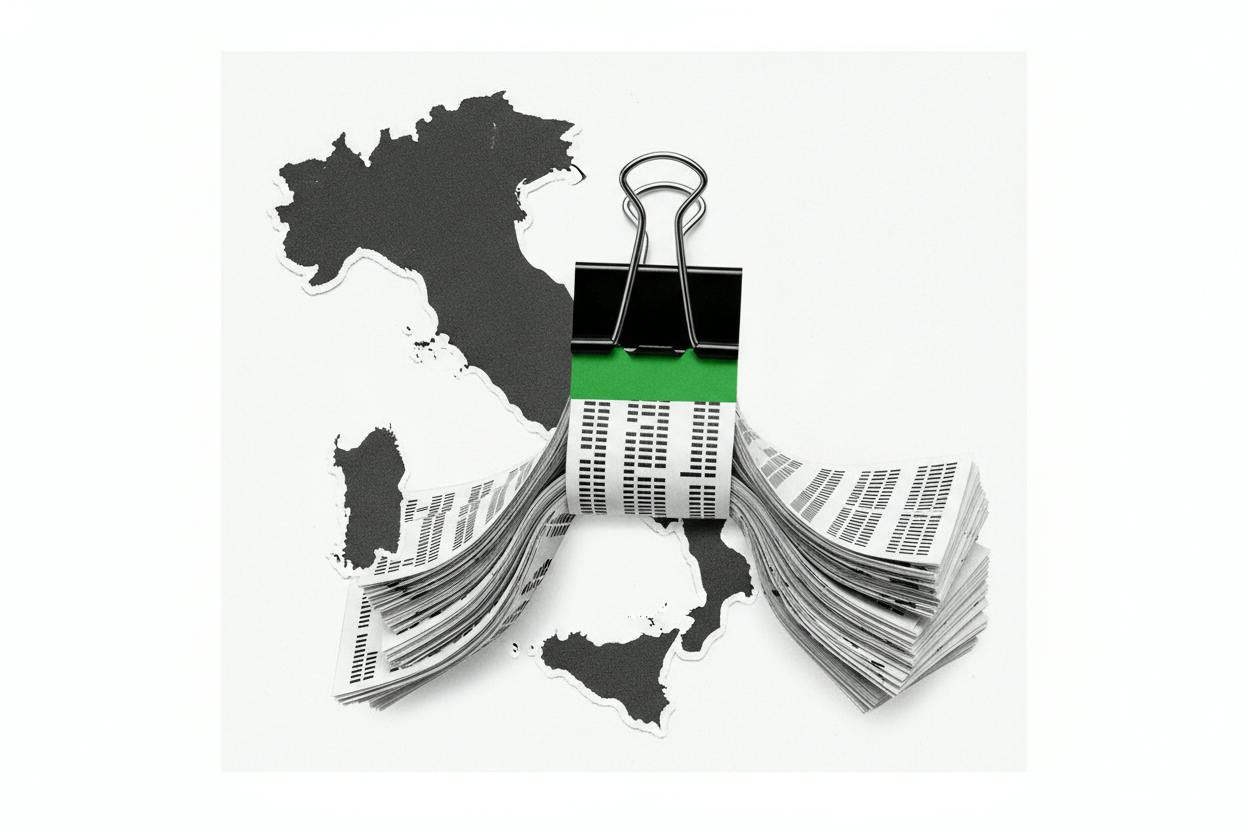
Italy's biggest banks are enjoying a renewed vote of confidence from investors, according to the country's central bank. The Bank of Italy said that earnings expectations for the country's lenders are holding up, supported by resilient net interest margins and a fresh wave of mergers and acquisitions among the top five banks.
The comments signal a shift in sentiment toward a sector that has spent years grappling with bad loans, thin profitability, and regulatory scrutiny. Now, with interest rates having settled at higher levels and dealmaking picking up, investors are taking a fresh look at Italian banking stocks.
What's driving the turnaround?
Net interest margins — the difference between what banks earn on loans and what they pay on deposits — have been a key support. After years of ultra-low rates squeezed profitability, the European Central Bank's rate hikes have given lenders more room to earn on their lending. Even as rate cuts loom, the Bank of Italy suggests margins are proving "sticky," meaning they are not falling as quickly as some had feared.
At the same time, consolidation is reshaping Italy's banking landscape. A wave of M&A across the top five banks has captured investor attention, as deals promise cost savings, greater scale, and improved efficiency. In recent years, Italian banks have been active in both domestic and cross-border transactions, and the pace shows no sign of slowing.
This dealmaking is part of a broader European trend. Banks across the continent have been seeking mergers to boost profitability and compete with larger global rivals. For Italy, consolidation is seen as a way to strengthen a sector that has historically been fragmented and weighed down by legacy issues.
Why investors are paying attention
For everyday investors, the Bank of Italy's assessment is a signal that Italian bank stocks may offer better prospects than they have in years. When central banks highlight improving earnings expectations, it often translates into higher share prices and potentially better dividends for shareholders.
Italian banks have also been returning more capital to investors through dividends and buybacks, a trend that has made them more attractive to income-focused investors. The combination of solid earnings, M&A activity, and capital returns has helped shift the narrative from crisis to recovery.
However, risks remain. The Italian economy has grown slowly, and high public debt continues to weigh on the country's financial stability. Banks are also exposed to any downturn in the property market or a rise in loan defaults. And while net interest margins are holding up for now, they could come under pressure if the ECB cuts rates more aggressively than expected.
What it means for investors
For those with exposure to European or Italian bank stocks, the news is broadly positive. It suggests that the sector's earnings power is more durable than previously thought, and that consolidation could unlock further value.
But it's not a green light to pile in. Bank stocks are cyclical and sensitive to economic conditions. Investors should consider how a potential slowdown in Europe or a shift in interest rate policy might affect the sector. As always, diversification is key — don't put all your eggs in one basket, even if that basket looks shinier than before.
The Bank of Italy's comments also come amid a broader backdrop of European financial stability. Ratings agencies have recently affirmed Italy's credit rating, and the country has been navigating political and fiscal challenges without major market disruption. For context, Italy's weekend: S&P keeps BBB+ rating, exit tax tweak, deal flurry highlights the ongoing policy and rating developments that investors are tracking.
Meanwhile, the M&A wave is not unique to Italy. Across Europe, banks are consolidating to cut costs and boost returns. Generali's cost-cut plan may matter more than its small earnings miss shows how cost discipline is becoming a key driver of investor sentiment in the region's financial sector.
For a broader view, Moody's sees global banks stable into 2027, but refinancing wave looms suggests that while the outlook for banks globally is stable, a wave of refinancing could pose challenges down the road. That's a reminder that even good news comes with caveats.
The bottom line
Italy's banks are back in favor, and the Bank of Italy's comments add official weight to that view. Sticky net interest margins and a busy M&A calendar are giving investors reasons to be optimistic about the sector's earnings outlook.
But as with any investment, it's important to look beyond the headlines. The sector's fortunes are tied to interest rates, economic growth, and the success of those deals. For now, the mood is positive — but investors should keep an eye on the risks that could quickly change the picture.