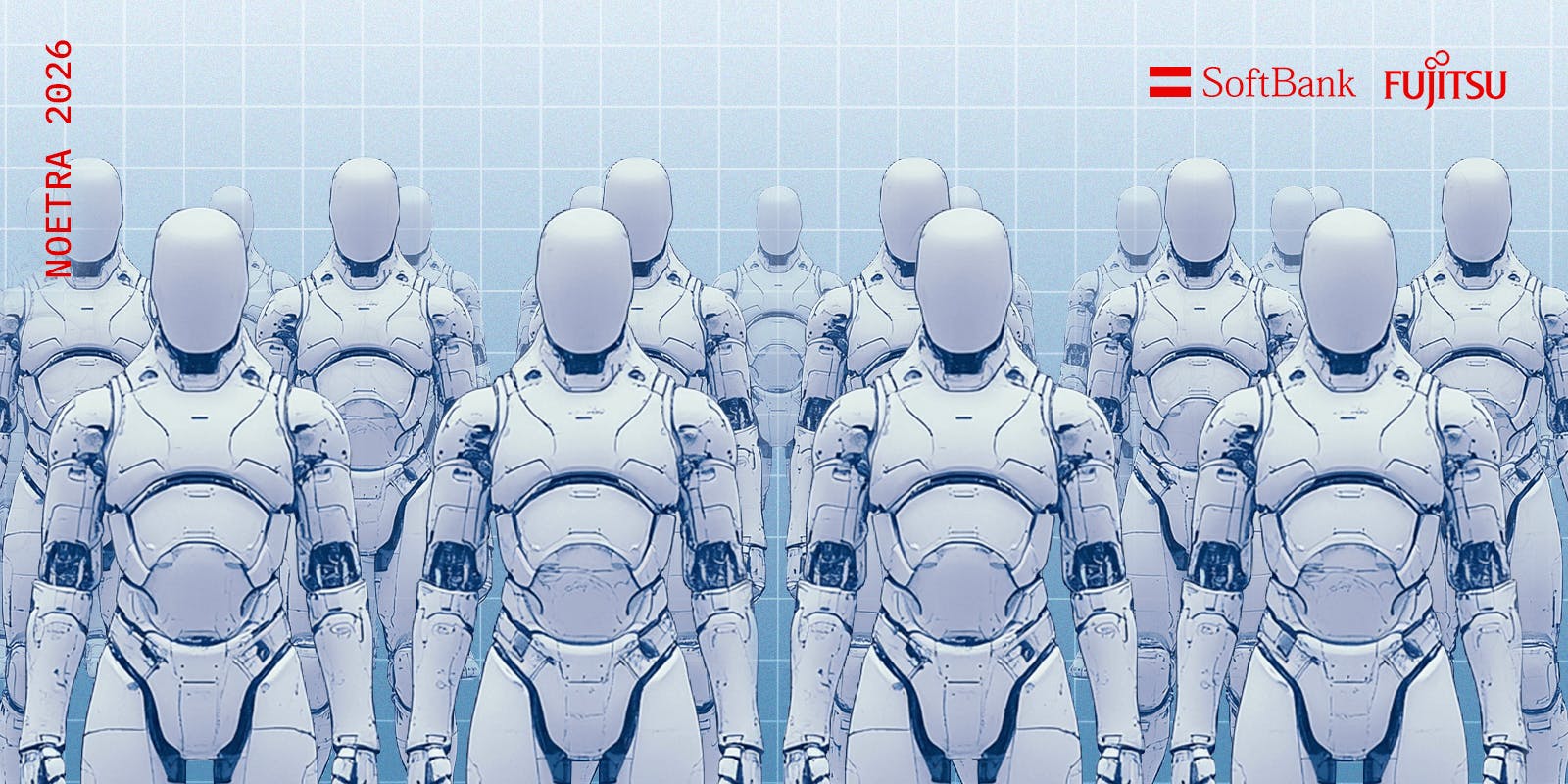
Japan is making a bold, state-backed push to reclaim its position in the global robotics race, committing $2.4 billion to a new consortium that unites its biggest technology and industrial players. The project, named Noetra, aims to develop advanced artificial intelligence for humanoid robots, a field where Japan has fallen behind the United States and China.
The initiative brings together household names like SoftBank and Fujitsu to build a dedicated AI model for humanoid machines. At the same time, a separate alliance of industrial heavyweights is collaborating with Nvidia, using the chipmaker's standard robot AI toolkit to design and build the robots themselves.
Why Japan Is Playing Catch-Up
For decades, Japan dominated the world of industrial robotics. Companies like Fanuc and Yaskawa built the arms and machines that powered global auto factories and electronics assembly lines. But the rise of modern AI—driven by deep learning and massive data sets—shifted the center of gravity to Silicon Valley and Beijing.
Today, US firms like Tesla and Boston Dynamics, along with Chinese players like XPeng, are racing to commercialize humanoid robots that can walk, talk, and perform tasks in human environments. Japan's traditional robot makers have struggled to adapt to this new software-driven paradigm. As noted in a recent report, XPeng targets 1,000 humanoid robots per month as it pushes beyond electric vehicles, highlighting the aggressive ambitions of Chinese competitors.
The global AI robotics market is projected to grow rapidly in the coming years, and Japan risks being left out of that expansion. The Noetra consortium is a direct response to that threat, pooling resources and expertise to build a national platform for next-generation robotics.
What the Consortium Brings Together
Noetra is not just a research project; it is a coordinated industrial strategy. By bringing together SoftBank's investment muscle and Fujitsu's computing power, the consortium aims to create a shared AI foundation that any Japanese robot maker can use. This approach mirrors the way Nvidia has become the standard platform for AI development globally.
In fact, Nvidia is already courting Japan's robot giants. The company has been working with Fanuc and Yaskawa to integrate its AI tools into their systems, as Nvidia courts Japan's robot giants Fanuc and Yaskawa for its next AI push. The new consortium deepens that relationship, giving Japanese firms access to cutting-edge AI while keeping development anchored at home.
The $2.4 billion investment is substantial but not unprecedented. Governments around the world are pouring money into AI and robotics, viewing them as strategic industries. Japan's move signals that it is unwilling to cede the field entirely to US and Chinese rivals.
What It Means for Investors
For everyday investors, this story is less about buying a specific stock and more about understanding a long-term trend. Robotics and AI are becoming central to global industrial competition, and government backing can accelerate development in ways that pure market forces might not.
Investors should watch how the consortium's work translates into commercial products. If Noetra succeeds, it could create new opportunities for Japanese suppliers and partners. Companies like SoftBank, which has a history of bold bets on technology, could see their robotics investments pay off. Similarly, Fujitsu's role in building the AI model could boost its position in the high-performance computing market.
However, the path is not guaranteed. The US and China have deep pools of AI talent and venture capital, and they are moving fast. Japan's strength lies in hardware and precision manufacturing, but software and AI talent remain areas of relative weakness. The consortium will need to attract top engineers and build a compelling ecosystem to compete.
For context, the broader dealmaking environment in robotics and tech remains active. Recent moves like dealmakers reshaping pharma, robotics, and delivery with multi-billion takeovers show that capital is flowing into these sectors. Japan's state-backed effort adds a new dimension to that landscape.
Investors should also keep an eye on the global race for humanoid robots. If Japan can successfully commercialize its technology, it could become a key supplier to industries ranging from manufacturing to healthcare. But if the consortium falters, the country may find itself further marginalized in a market that is only getting more competitive.
Ultimately, Japan's $2.4 billion bet is a reminder that the robotics revolution is not just a private-sector story. Governments are placing their own chips on the table, and the outcomes will shape the investment landscape for years to come.