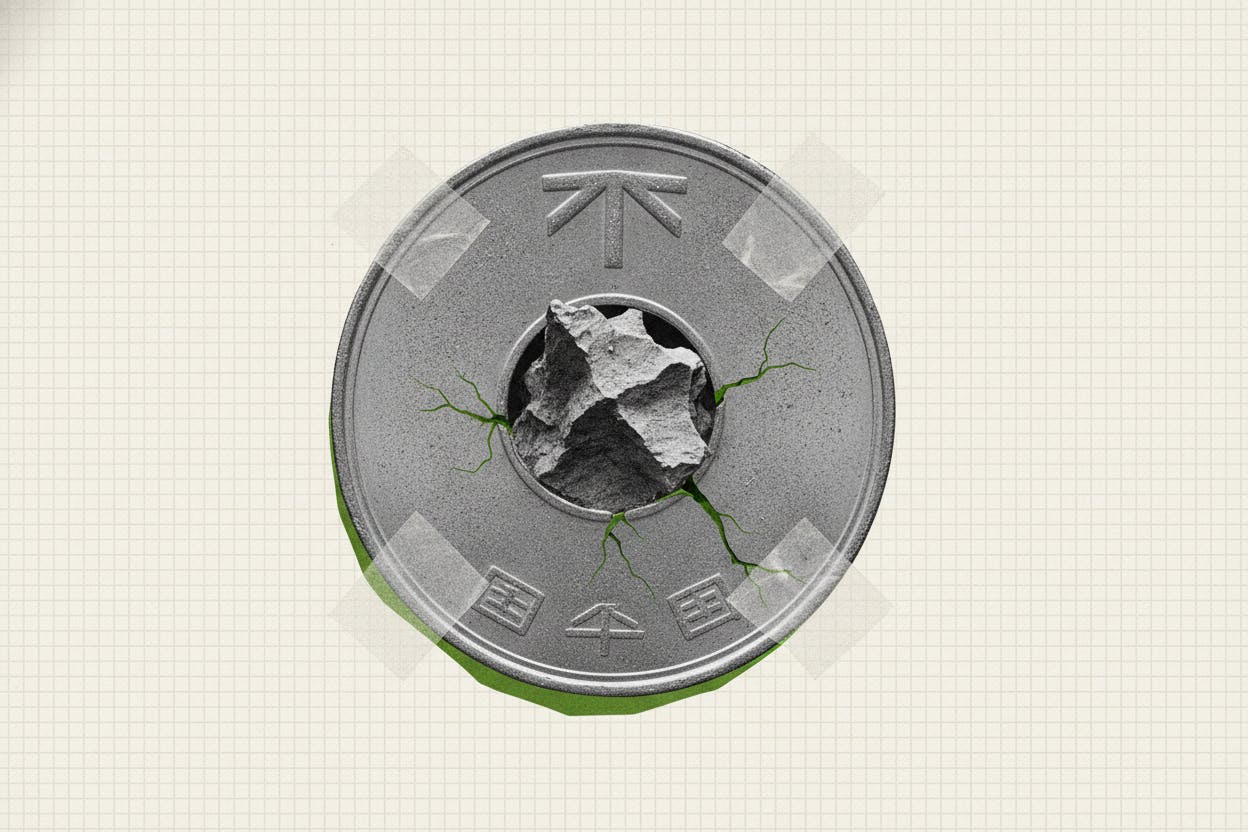
Japan is taking a significant step to secure its supply of critical minerals, with a state-backed agency investing up to C$47.7 million in a rare earths project in Namibia. The move is part of a broader push by Tokyo to reduce its heavy dependence on China for materials essential to electric vehicles, industrial machinery, and defense technology.
The investment comes from the Japan Organization for Metals and Energy Security, or JOGMEC, which will fund the Lofdal heavy rare earths deposit in Namibia's Kunene region. The project is operated by Toyota Tsusho, a trading arm of the Toyota Group. JOGMEC's involvement signals the strategic importance Japan places on securing supplies of these materials.
What are heavy rare earths and why do they matter?
Rare earths are a group of 17 metallic elements used in a wide range of high-tech products. They are divided into light and heavy categories. The Lofdal deposit is rich in heavy rare earths, particularly dysprosium and terbium. These elements are critical for making powerful permanent magnets that retain their strength at high temperatures.
Such magnets are essential components in electric vehicle motors, hybrid car drivetrains, wind turbine generators, and certain defense systems like missile guidance and radar. Without a stable supply of these materials, manufacturing in these sectors can face serious disruptions. Currently, China dominates the global supply chain for rare earths, controlling around 60% of mining and over 80% of processing. This concentration creates vulnerability for countries like Japan, which imports most of its rare earths from China.
Japan's investment in Namibia is part of a wider strategy to diversify sources. Other nations, including the United States and Australia, have also been funding rare earths projects to reduce Chinese dominance. For context, similar efforts have seen private markets open to more investors in mining ventures, though this project remains largely corporate and state-backed.
What the investment means for the project
The C$47.7 million from JOGMEC will likely be used to advance exploration, feasibility studies, and early-stage development at Lofdal. Toyota Tsusho has been involved in the project for several years, and this injection of capital from a government entity adds credibility and financial muscle. It also signals that Japan sees the deposit as a viable long-term source of heavy rare earths.
Namibia is already a significant mining jurisdiction, known for uranium and diamonds. The country has a stable regulatory environment and good infrastructure, which makes it attractive for mining investment. The Lofdal project is still in the development phase, so it will take years before it could produce rare earths at scale. However, the backing from JOGMEC suggests Japan is willing to wait for a secure supply line.
This type of government involvement in mining is not unusual. Many countries use state-backed agencies to secure resources deemed critical for national security and economic competitiveness. For example, similar dynamics have played out in other sectors, such as when chip stocks slid after a Japan quake disrupted TSMC's Kumamoto plant, highlighting the fragility of concentrated supply chains.
What it means for investors
For everyday investors, this news underscores the growing strategic importance of rare earths and other critical minerals. The push to diversify away from China is creating opportunities for mining companies and projects outside of China, particularly in politically stable countries like Namibia. However, investing in early-stage mining projects carries significant risks. Development timelines are long, costs can overrun, and commodity prices are volatile.
Investors should also be aware that rare earths are a niche market. Prices for individual elements like dysprosium and terbium can swing sharply based on supply-demand dynamics and geopolitical events. The Lofdal project is one of several heavy rare earths projects globally, and its success is not guaranteed. Companies in this space often face technical challenges in processing and separating the elements, which is a complex and costly step.
That said, the involvement of a major Japanese trading house like Toyota Tsusho and a government agency like JOGMEC reduces some of the project risk. It also signals that demand for these materials is expected to grow, driven by the global shift toward electric vehicles and renewable energy. For context, other recent developments in the resources sector, such as Novo Resources partnering with Manhattan Gold to drill a project in NSW, show that exploration activity remains robust across different commodities.
Investors interested in the rare earths theme might also look at exchange-traded funds (ETFs) that track critical minerals or battery metals, though these can be volatile. As always, diversification is key. The broader trend of supply chain reshoring and diversification is likely to continue, but individual projects can face delays or failures.
The bigger picture
Japan's investment in Namibia is a clear signal that the race for critical minerals is intensifying. Countries are increasingly willing to use state capital to secure supplies of materials that underpin modern technology and national security. For investors, this means that rare earths and other critical minerals will remain a focus area for years to come.
While the Lofdal project is still in its early stages, the backing from JOGMEC provides a strong vote of confidence. It also highlights the importance of Namibia as a mining destination. As the world transitions to cleaner energy and more advanced electronics, the demand for heavy rare earths is likely to grow. Projects like Lofdal could play a key role in meeting that demand, but patience and risk awareness are essential for anyone considering exposure to this sector.