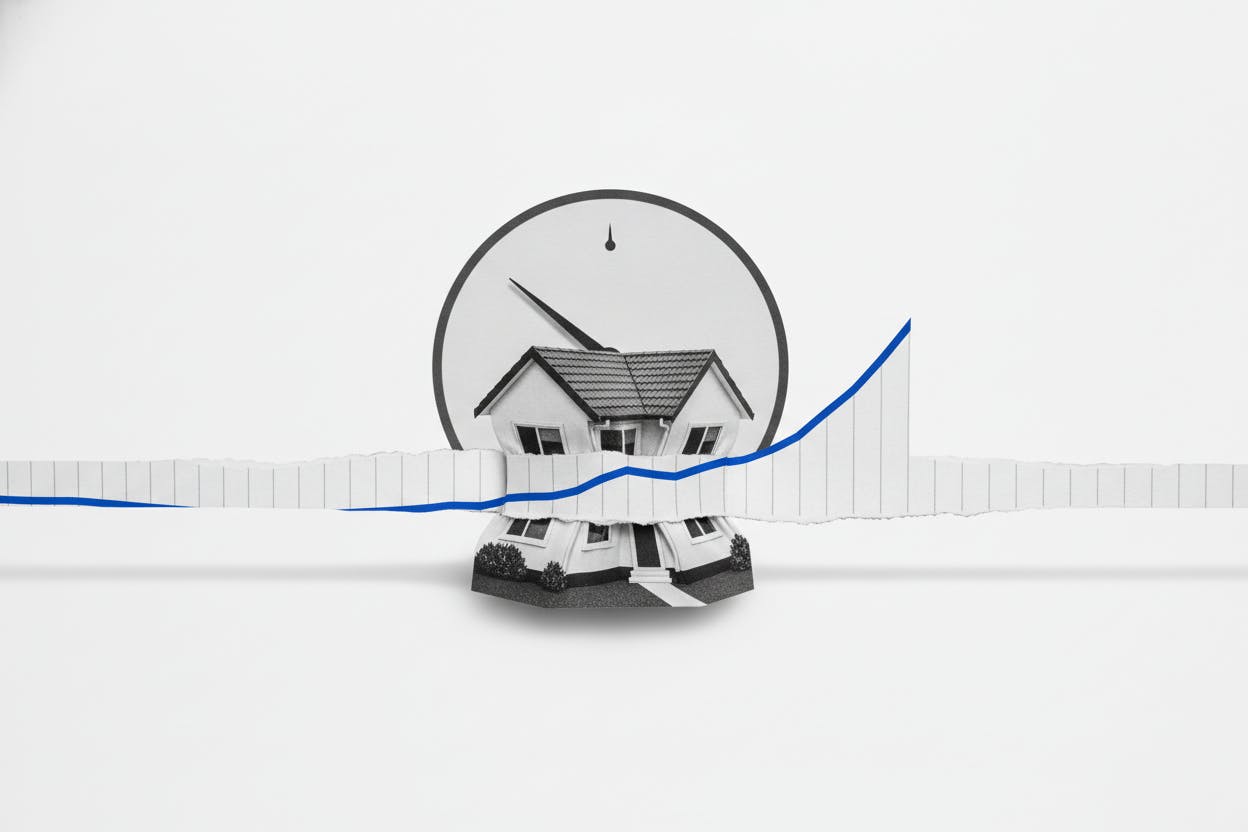
Japan's economy lost some momentum in the second quarter, with growth coming in below expectations as consumers held back and businesses trimmed their investment plans. Gross domestic product expanded at a 1.1% annualized pace in April–June, according to official data, but the breakdown painted a more cautious picture of domestic demand.
What the numbers show
Private consumption, which accounts for more than half of Japan's economic output, was flat during the quarter. That means households didn't increase their spending on goods and services, a sign that wage growth and inflation are still weighing on consumer confidence. Capital spending, or business investment in equipment and facilities, fell 1.2% — a clear retreat from the previous quarter's gains.
The bright spot was external demand. Exports and net trade did much of the heavy lifting, supported by steady U.S. appetite for Japanese hybrid vehicles and global spending on artificial intelligence, which has boosted shipments of semiconductor equipment and components. That export strength helped offset the domestic weakness, but it also highlights how reliant Japan's growth has become on overseas markets.
Why this matters
The softer-than-expected reading raises questions about the durability of Japan's recovery. For several quarters, the economy had been growing steadily, helped by a rebound in tourism, a weak yen that made Japanese goods cheaper abroad, and a gradual return of corporate investment. Now, with consumer spending stalling and businesses pulling back, the domestic engine looks less powerful.
Inflation, while moderating from its peak, has still been running above the Bank of Japan's 2% target. That has squeezed household purchasing power, even as wages have started to rise. The flat consumption figure suggests that higher prices are still eating into what people can spend, rather than encouraging them to open their wallets.
For investors, the data is a reminder that Japan's recovery is not uniform. Export-oriented companies, particularly in autos and technology, have benefited from global demand. But domestically focused businesses — retailers, restaurants, housing-related firms — are facing a more cautious consumer. That divergence could show up in corporate earnings in the coming quarters.
What it means for investors
For everyday investors, the key takeaway is that Japan's growth story is becoming more dependent on external factors. If global demand for Japanese exports, especially in tech and autos, remains strong, the economy can still post positive growth. But if the U.S. economy slows or AI-related spending cools, Japan's domestic weakness would be more exposed.
The data also has implications for the yen and for the Bank of Japan's policy path. The central bank has been signaling that it may raise interest rates further, and some analysts expect a move as soon as September. A weaker economy could give the BOJ reason to pause, but persistent inflation might push it to act anyway. The yen's fate is closely tied to these decisions, and currency moves can have a big impact on Japanese stocks, especially for exporters.
Investors with exposure to Japanese equities should watch for signs of whether domestic spending recovers in the third quarter. Government stimulus measures, if any, could provide a boost. But for now, the message from the data is that Japan's economy is cooling, and the path forward depends on both global demand and how quickly households regain confidence.
As always, it's important to remember that economic data can be revised, and one quarter doesn't define a trend. But the combination of flat consumption and falling capital spending is a signal that the domestic recovery is losing steam, even as exports keep the economy afloat.