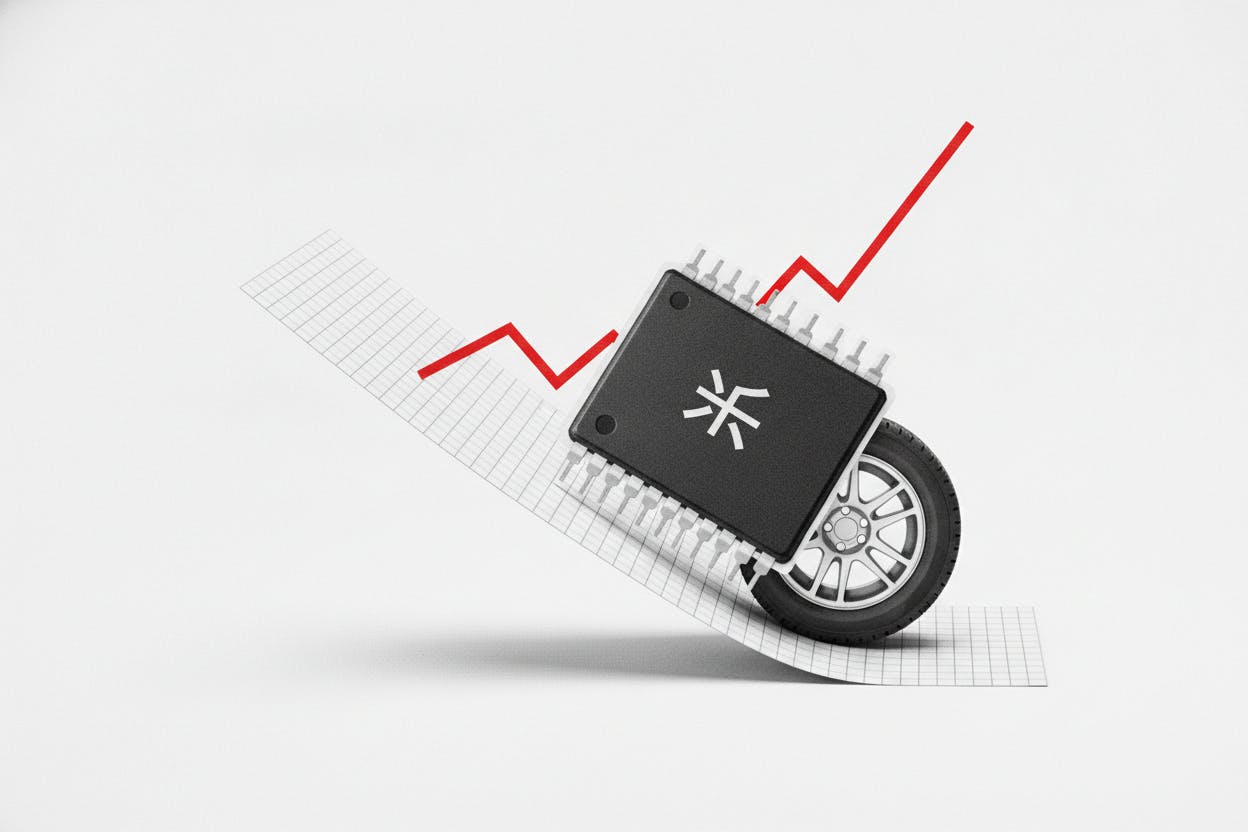
Japanese stocks delivered a split performance on Tuesday, with the tech-heavy Nikkei slipping 0.2% while the broader Topix gained 0.5%. The divergence reflects a clear rotation: investors moved out of AI-linked technology names and into more traditional sectors like autos, as government bond yields climbed to fresh highs.
Among the biggest movers, Toyota and Nissan each rose 3.1%, while Tokyo Electron—a key supplier to the semiconductor industry—fell 3.4%. The contrast underscores a shift in market leadership rather than a broad retreat from risk.
Why bond yields are driving the move
The catalyst was a rise in both Japanese and U.S. government bond yields. When yields go up, the “discount rate” applied to future earnings also rises. That makes stocks whose value depends on profits expected years down the road—often growth and technology companies—less attractive relative to today’s cash flows.
Tokyo Electron, which has been a major beneficiary of the AI and chip boom, is a classic example. Its stock price reflects expectations of strong future demand for semiconductor manufacturing equipment. Higher yields reduce the present value of those future earnings, which is why the stock fell even as the broader market held up.
In contrast, automakers like Toyota and Nissan are seen as more “value” or cyclical plays. Their earnings are tied more to current economic conditions and consumer demand, making them less sensitive to changes in long-term interest rates. That helps explain why they rose even as yields climbed.
The move also comes against a backdrop of rising global bond yields, partly driven by higher oil prices and inflation concerns. When energy costs rise, they can feed into inflation, prompting central banks to keep rates higher for longer—another factor that pressures long-duration assets like tech stocks.
What this means for investors
For everyday investors, this rotation is a reminder that not all stocks move together. Indexes like the Nikkei and Topix can tell very different stories depending on their composition. The Nikkei is heavily weighted toward technology and export-oriented companies, while the Topix is broader and includes more domestic and industrial names.
When bond yields rise, it’s often a signal to reconsider exposure to high-growth sectors. Companies that are priced for rapid expansion far in the future—like chip equipment makers—tend to suffer more than those with steady, near-term earnings. That doesn’t mean AI is a bad long-term bet, but it does mean the ride can be bumpy when interest rates move.
For those holding Japanese stocks, the key takeaway is diversification. A portfolio that includes both growth and value names can better withstand rotations like this one. The autos sector, for instance, has been a beneficiary of a weaker yen and strong global demand, which are separate drivers from the AI trade.
Investors will also be watching whether the Bank of Japan (BOJ) responds to rising yields. Recent data on capital spending has strengthened the case for a rate hike this month, which could further influence bond yields and stock valuations. If the BOJ tightens policy, it could put additional pressure on growth stocks while potentially supporting banks and other financials.
Meanwhile, Japan’s factory output has been accelerating, thanks in part to AI and chip demand. That suggests the underlying economy remains solid, even if the stock market is going through a rotation. The question is whether the shift out of tech is a short-term adjustment or the start of a longer trend.
For now, the market’s message is clear: higher yields are changing the calculus for investors. Those who had piled into AI winners may be taking profits, while others are finding value in more traditional sectors. As always, it pays to understand what you own and why, rather than chasing the latest headline.



