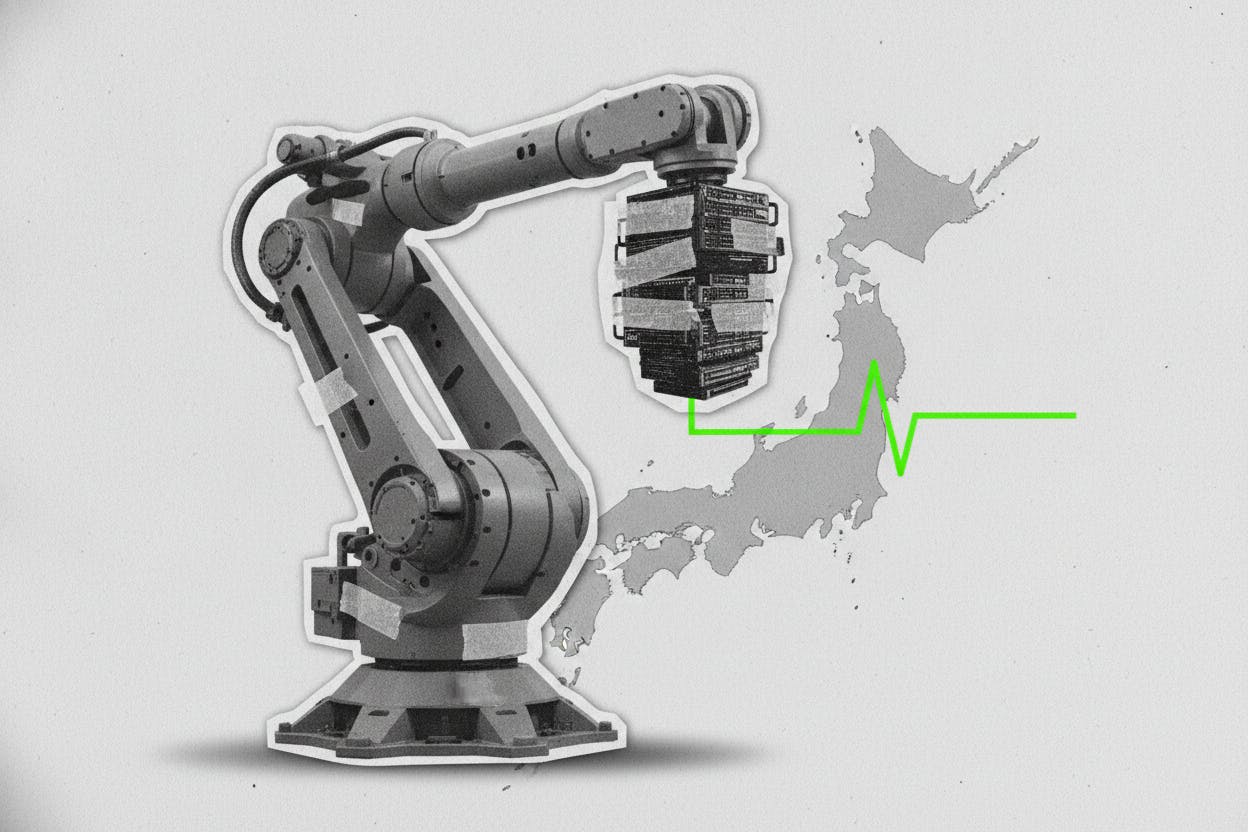
Japan is making a big bet on keeping its robotics edge at home. A government-backed initiative called Noetra has secured more than 380 billion yen (about $2.33 billion) in first-year funding to develop a homegrown artificial intelligence system designed specifically for robots. The project plans to purchase 27,500 of Nvidia's upcoming Rubin processors and begin building the necessary infrastructure in April 2027.
What Is Noetra Building?
Noetra, led by CEO Hironobu Tamba—who is also an executive at SoftBank—is developing what it calls a "physical AI" foundation model. That's a fancy way of saying software trained to help robots understand and interact with the real world. Think of it as a brain that lets a robot see an object, figure out how to pick it up, and move it without crashing into things.
The project is essentially Japan's answer to a growing global race to build AI for robots. While companies like Tesla and various Chinese firms are pushing their own robotics AI, Japan wants to ensure its manufacturers have a reliable, safe option that doesn't rely on sending sensitive industrial data overseas.
Why This Matters for Investors
For everyday investors, this story touches on several important themes. First, it shows how governments are increasingly treating AI as a strategic asset, similar to energy or defense. Japan's willingness to pour billions into a domestic robotics AI signals that the country sees this as critical for its industrial future.
Second, the choice of Nvidia's Rubin chips is notable. Nvidia dominates the market for AI training chips, and its upcoming Rubin architecture is expected to be even more powerful than the current Hopper and Blackwell lines. This deal, if confirmed, would be a major endorsement of Nvidia's roadmap. For investors holding Nvidia stock, it's a reminder that demand for high-end AI chips shows no signs of slowing down.
Third, the involvement of SoftBank through CEO Tamba links this project to a broader trend of Japanese tech investment. SoftBank has been active in AI and robotics for years, and its Vision Fund has backed numerous tech startups. This project could be seen as an extension of that strategy, but with government backing.
The Bigger Picture: Sovereign AI and Data Control
Noetra's pitch is about control. Japanese companies that use this system would keep their industrial data within Japan, rather than sending it to foreign cloud servers. This "sovereign AI" concept is gaining traction worldwide, as countries worry about data security and reliance on foreign tech giants.
Similar dynamics are playing out in Europe, where Microsoft and Mistral AI struck a multibillion-dollar deal for sovereign AI. In Asia, Chinese tech firms have raised billions for AI and chip development, while Samsung is reportedly investing in French AI startup Mistral. Japan's move fits into this global pattern of nations wanting their own AI capabilities.
For investors, this means companies that provide the infrastructure for sovereign AI—chipmakers, data center builders, and cloud service providers—could see sustained demand. It also means that robotics companies with strong ties to domestic AI platforms might have a competitive advantage in their home markets.
What to Watch Next
The timeline is ambitious but distant. Noetra plans to start building infrastructure in April 2027, which means the actual AI model and robot deployments are years away. Investors should watch for updates on the project's progress, including whether it hits its funding milestones and whether other Japanese companies sign on as customers.
Also worth monitoring is how this affects the broader robotics industry. Japan has long been a leader in industrial robotics, with companies like Fanuc, Yaskawa, and Kawasaki Heavy Industries. If Noetra succeeds, it could give these firms a homegrown AI option that competes with offerings from US and Chinese tech giants.
For now, the project is a statement of intent. Japan is spending billions to ensure its robots have brains made at home, and it's betting on Nvidia's next-generation chips to get there.