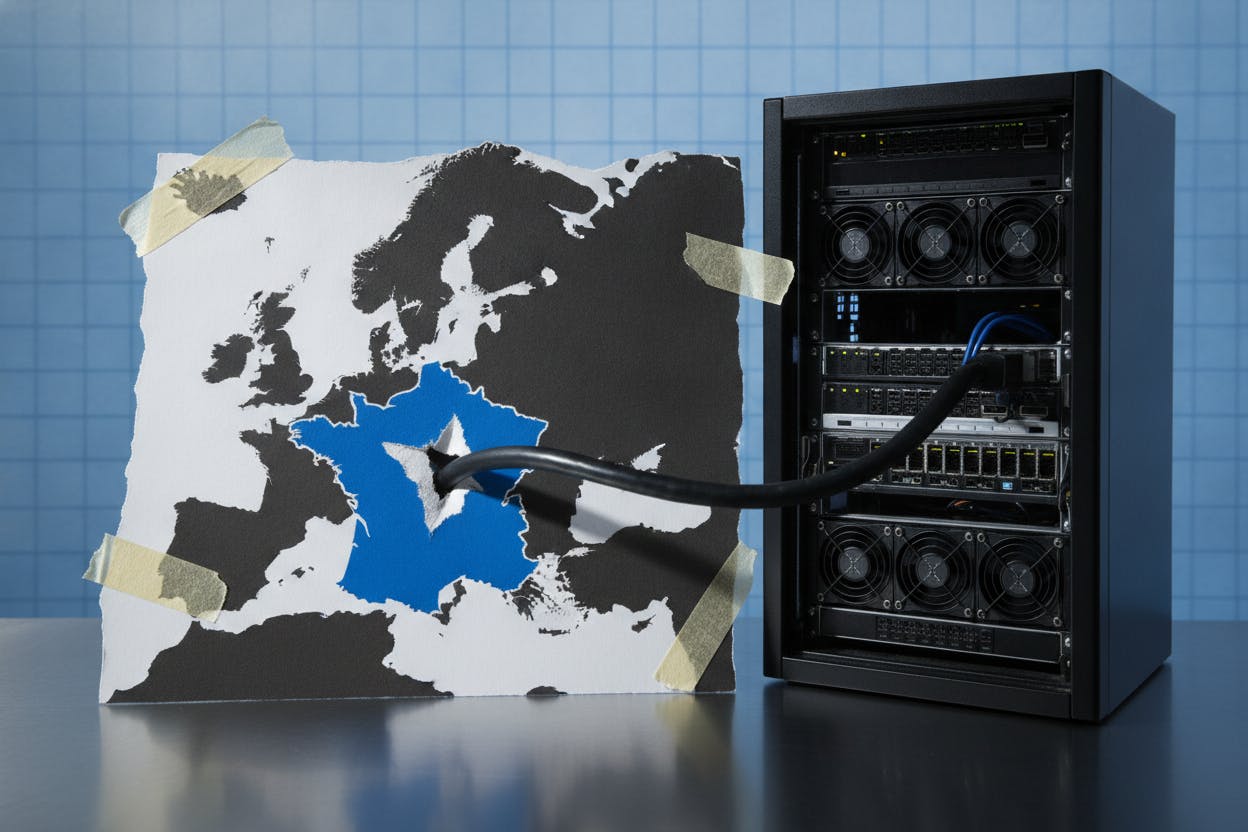
Microsoft and French artificial intelligence lab Mistral AI have announced a multibillion-dollar partnership aimed at bringing so-called sovereign AI capabilities to regulated European customers. The deal will integrate Mistral's AI models and French data-center infrastructure into Microsoft's Azure cloud platform and its suite of application development tools.
What Is Sovereign AI?
Sovereign AI refers to artificial intelligence systems that are hosted and governed locally, within a specific country or region, under that jurisdiction's laws and regulations. For European organizations in regulated industries—such as banking, healthcare, and government—this means they can use advanced AI while keeping data on local servers and controlling who has access to the systems. The concept has gained traction as European regulators push for digital sovereignty and data protection under frameworks like GDPR.
The Deal in Detail
Under the partnership, Microsoft will invest billions of dollars to support Mistral's computing infrastructure in Europe. In return, Mistral's models—including Mistral Medium 3.5 and OCR 4—will be made available through Microsoft's app-building platform, Foundry. Additionally, Mistral Medium 3.5 will be integrated into other Microsoft tools, giving regulated customers access to powerful AI without having to rely on non-European providers.
The deal also leverages Mistral's French data-center capacity, which will be offered on Azure Local, Microsoft's solution for running cloud services in local data centers. This setup is designed to meet the strict data residency and security requirements of European regulators.
Why This Matters for Investors
For everyday investors, this partnership highlights a growing trend: the demand for localized AI infrastructure in Europe. As companies and governments seek to reduce reliance on US-based tech giants for AI services, partnerships like this one could become more common. Microsoft's willingness to commit billions to Mistral's European infrastructure signals that the tech giant sees sovereign AI as a key growth area.
Investors should watch how this deal affects Microsoft's competitive position in the European cloud market. The company already faces stiff competition from Amazon Web Services and Google Cloud. By offering a sovereign AI solution, Microsoft could win over customers in regulated sectors who have been hesitant to move to the cloud due to data sovereignty concerns.
For Mistral AI, the partnership provides a massive financial boost and access to Microsoft's global distribution network. This could help the French startup scale quickly and challenge larger AI labs like OpenAI and Anthropic. However, investors should note that Mistral remains a private company, so direct investment opportunities are limited.
Broader Market Context
The deal comes amid a broader push by European governments to build domestic AI capabilities. The European Union has been actively promoting digital sovereignty through initiatives like the European Cloud for Open Science and the GAIA-X project. Meanwhile, the US dollar has been holding near one-week highs amid oil price swings and Middle East uncertainty, which could impact the cost of importing AI hardware and services into Europe.
In a related development, Poste Italiane's €13 billion bid for TIM aims to build a national cloud infrastructure, further underscoring the trend toward localized digital services in Europe.
What to Watch Next
Investors should monitor regulatory developments in Europe, as new rules around AI and data sovereignty could either accelerate or hinder similar partnerships. Also keep an eye on Microsoft's earnings reports for signs of how the Mistral deal is contributing to Azure's growth in Europe.
For those interested in the broader AI infrastructure space, AMD's expanded deal with Microsoft for its Helios rackscale solution, set for 2026, shows how chipmakers are positioning themselves to meet the growing demand for AI computing power.
Finally, the competition between open and proprietary AI models continues to evolve. China's push for open AI models contrasts with the proprietary approach of companies like Microsoft and Mistral, and investors should consider how this dynamic might shape the industry's future.