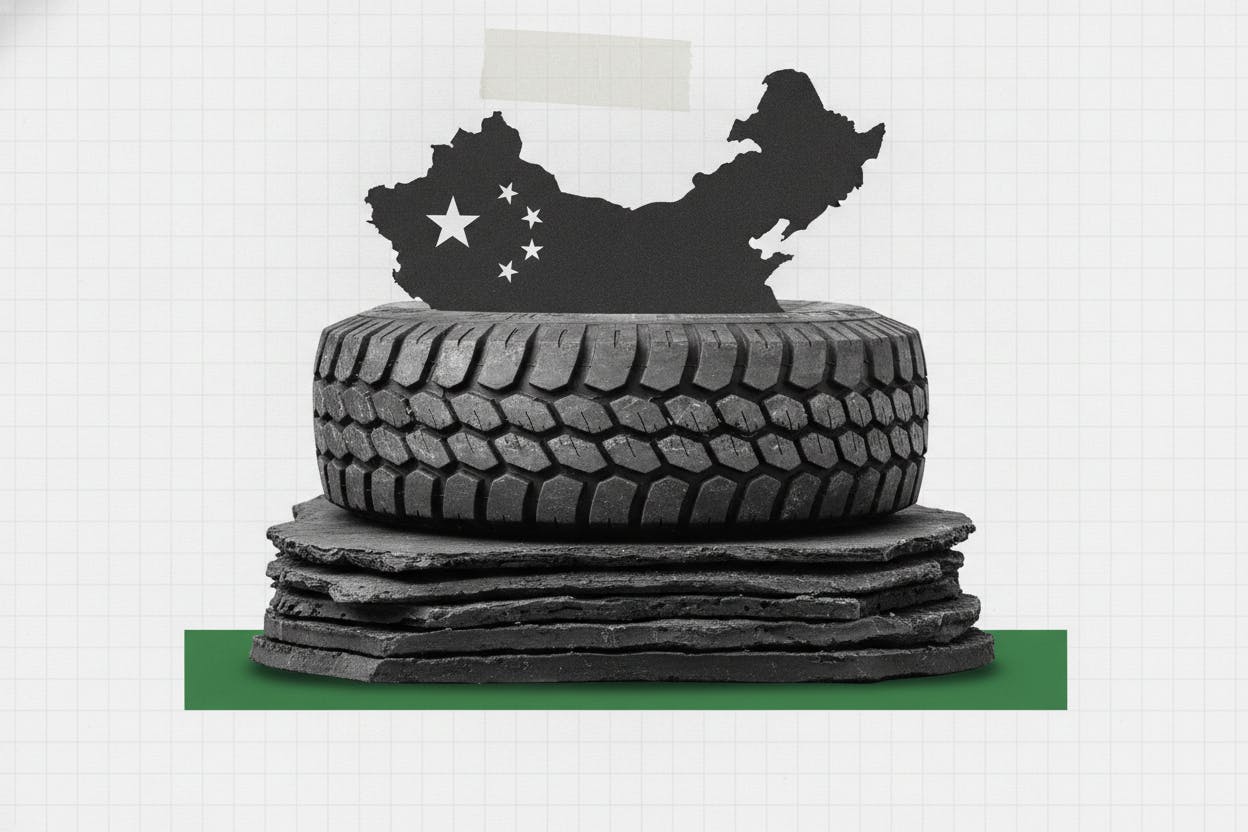
Japanese rubber futures in Osaka edged higher on Friday, buoyed by steady raw material costs in Thailand, even as market participants flagged a potential headwind from weakening demand in China.
What Happened
The Osaka Exchange's December rubber contract rose 1.06% to 410.3 yen per kilogram. In China, the Shanghai September natural rubber and butadiene rubber contracts also posted gains, reflecting broader support across the region.
The upward move was underpinned by firm upstream prices. Thailand's benchmark smoked sheet rubber (RSS3) climbed to 94.95 baht per kilogram, while block rubber (STR20) held steady around 78.03 baht. These elevated feedstock costs make it difficult for processors to lower their selling prices, providing a floor for futures.
Farah Miller, CEO of Helixtap Technologies, a commodity analytics firm, noted that the persistent high cost of raw materials is squeezing processors' margins and making it tough for them to keep cutting prices even as demand softens.
Why It Matters
Rubber is a key industrial commodity used primarily in tire manufacturing, as well as in automotive parts, footwear, and medical supplies. Japan and China are major consumers, and price movements in Osaka and Shanghai futures are closely watched by global traders.
The current dynamic pits cost-push support against demand-side weakness. While raw material costs remain elevated, the outlook for demand—especially from China, the world's largest rubber consumer—is clouded by a slowing economy and reduced industrial activity. Traders are cautious that any sustained drop in Chinese demand could cap the rebound in futures prices.
For investors, the rubber market offers a window into broader economic trends. Rising raw material costs can signal supply tightness or production constraints, while falling demand often points to slowing manufacturing activity. The interplay between these forces is a key factor for commodity-focused portfolios.
What It Means for Investors
For everyday investors, the rubber futures market is not a direct holding, but it can influence the performance of companies in the tire, automotive, and industrial sectors. Higher rubber prices can squeeze margins for tire makers and other manufacturers that rely on the commodity, while benefiting producers and exporters in Southeast Asia.
The current situation—where costs are high but demand is uncertain—creates a mixed picture. Investors should watch for further data on Chinese industrial output and auto sales, as well as any shifts in Thai rubber supply, to gauge where prices may head next.
In the broader context, the rubber market's movements are part of a larger story of commodity price volatility driven by supply chain disruptions, currency fluctuations, and shifting global demand. Similar dynamics are playing out in other raw materials, such as copper and palm oil, where cost pressures and demand concerns are also in focus.
For those interested in commodity-linked investments, exchange-traded funds (ETFs) that track natural resource indices or specific agricultural commodities can provide exposure. However, these instruments carry risks tied to price swings and global economic conditions.
Looking Ahead
Market participants will be monitoring upcoming economic data from China, including manufacturing PMI and auto sales figures, for signs of demand recovery. Any improvement could provide additional support to rubber prices, while further weakness may reinforce the cautious tone.
On the supply side, weather conditions in Thailand and other key producing regions will be a factor. Seasonal rains and potential disruptions can affect latex output and processing, influencing raw material costs.
For now, the rubber market remains in a tug-of-war between firm costs and uncertain demand, a balance that investors will watch closely in the weeks ahead.