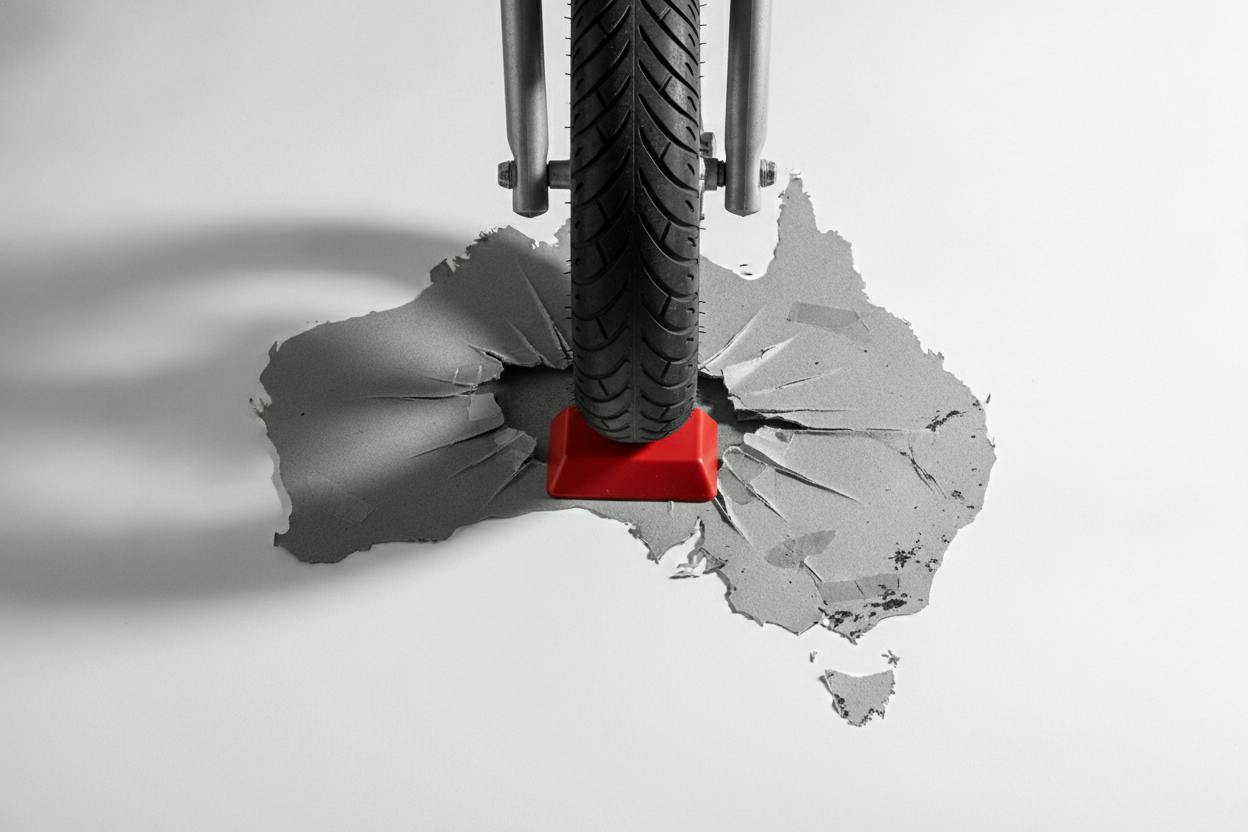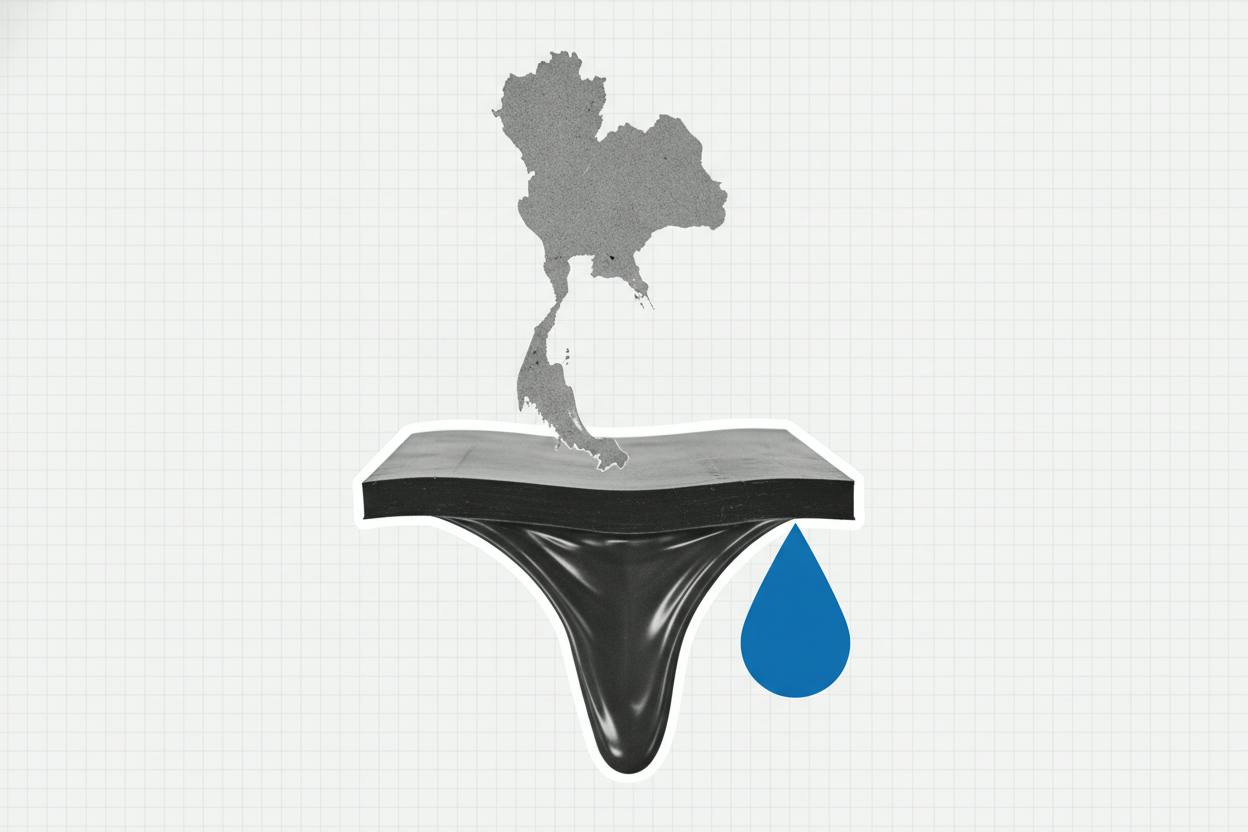
Japanese rubber futures edged lower on Wednesday, as traders weighed an improving supply outlook in Thailand against persistently weak tire demand in China. The moves came even as crude oil prices rose, which typically supports the cost of synthetic rubber alternatives.
On the Osaka Exchange, rubber futures for March delivery slipped 0.54% to 458 yen per kilogram. Meanwhile, on the Shanghai Futures Exchange (SHFE), natural rubber for January fell 0.46% to 20,420 yuan per metric ton. The declines were modest, suggesting that the market is still balancing competing forces.
Why Thai supply matters
Thailand is the world's largest producer of natural rubber, and its seasonal patterns have an outsized impact on global prices. The country's peak harvest season typically runs from late autumn into early winter, when latex output rises as trees are tapped more frequently. This year, heavy rains had disrupted production and helped keep prices elevated. But as the rains fade, analysts at Everbright Futures and GF Futures noted that raw-material prices in Thailand are starting to ease, signaling that supply is becoming more plentiful.
For investors, this is a classic supply-demand story. When a major producer's output expands, it usually puts downward pressure on prices—unless demand is strong enough to absorb the extra supply. In this case, demand is not providing much support.
China's tire demand stays soft
China is the world's biggest consumer of natural rubber, largely because of its massive tire manufacturing industry. But tire demand there has been sluggish, with buyers staying cautious. Weakness in the Chinese economy, including a slowdown in the property sector and softer consumer spending, has weighed on demand for trucks and cars, which in turn reduces the need for new tires.
This softness is a key reason why rubber prices have not rallied despite the supply disruptions earlier in the season. Even with tighter supply, buyers in China have been reluctant to stock up, keeping a lid on prices.
The oil price connection
One factor that helped limit Wednesday's decline was the rise in crude oil prices. Oil is a key input for synthetic rubber, which is made from petroleum-based feedstocks. When oil prices go up, synthetic rubber becomes more expensive, making natural rubber relatively more attractive. That dynamic can provide a floor under natural rubber prices, even when supply is ample.
This relationship is not new. Natural and synthetic rubber are substitutes in many applications, and their prices tend to move in tandem over time. But the correlation is not perfect, and supply shocks in either market can cause divergences.
What it means for investors
For everyday investors, rubber futures are not a typical holding, but they matter for a few reasons. First, they are a barometer of global industrial activity. When rubber prices are falling, it often signals that manufacturers—especially in the auto and tire sectors—are seeing weak demand. That can be a warning sign for broader economic growth.
Second, rubber prices can affect the earnings of companies that use it as a raw material, such as tire makers. Lower rubber prices are generally positive for their margins, but weak demand can offset that benefit. Investors in tire companies should watch both sides of the equation.
Finally, the interplay between rubber and oil prices is a reminder that commodity markets are interconnected. A move in one market can ripple through others, and understanding those links can help investors make sense of price swings.
Looking ahead, market participants will be watching Thai weather patterns and the pace of harvests, as well as any signs of a pickup in Chinese tire demand. The next few weeks could set the tone for rubber prices into the new year.
For more on how commodity markets are moving, see our coverage of palm oil futures rising on firmer crude and the shifting outlook for nickel.