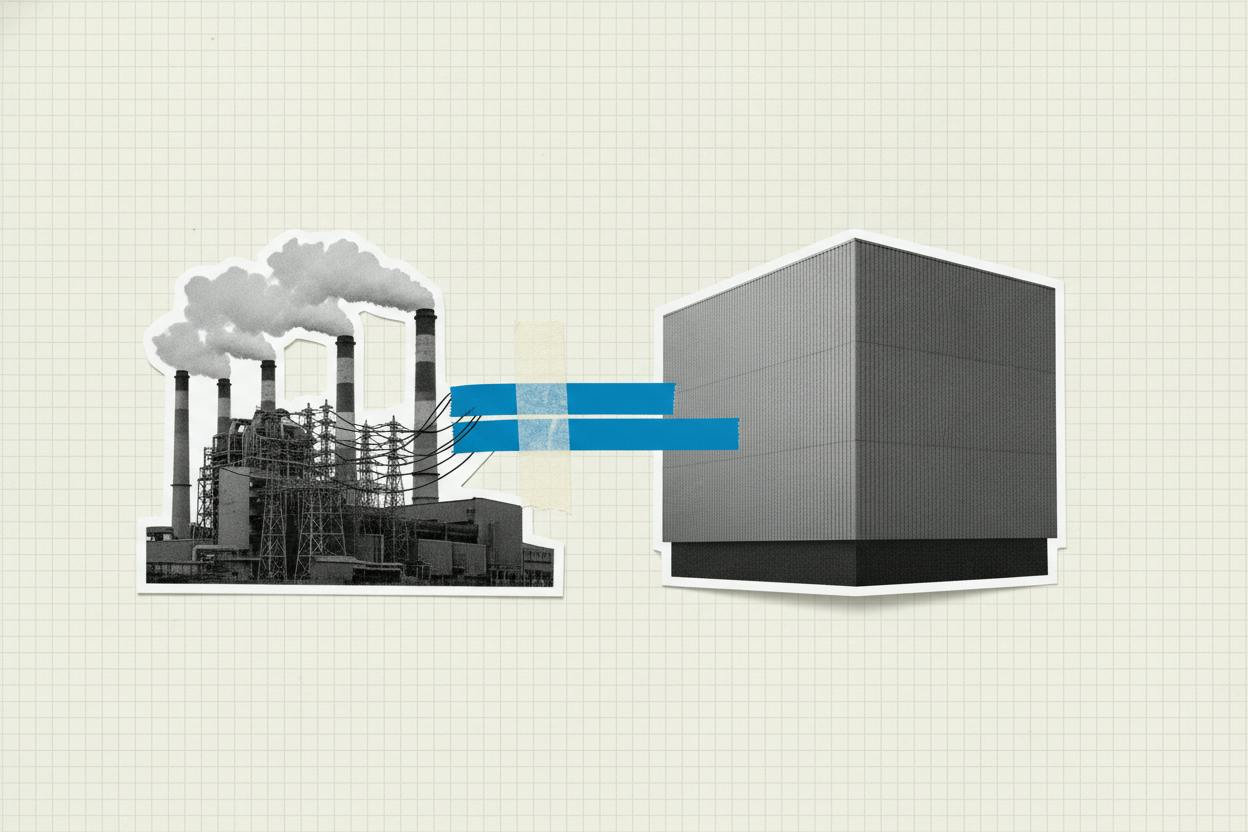
Japan's largest power generator, JERA, is in talks with major US technology companies, including Anthropic and Meta, about building large-scale data centers directly adjacent to its power plants near Tokyo, according to a report by Nikkei. The plan is part of a broader effort to turn the growing demand for electricity from artificial intelligence into a new line of business.
Data centers, the physical facilities that house the servers powering cloud computing and AI models, consume enormous amounts of electricity. As tech giants race to expand their AI capabilities, they are hitting a common wall: it is often easier to secure land and computer chips than it is to get enough reliable power through crowded electricity grids. JERA is trying to turn that bottleneck into an opportunity by pairing its own generation capacity with the needs of hyperscalers—the giant cloud and AI operators that require round-the-clock power.
How JERA's plan works
By placing data centers right next to its power plants, JERA can supply electricity directly from the source to the facility, bypassing some of the delays and constraints of the wider transmission grid. This could allow new capacity to come online faster and make it easier to write long-term power supply contracts. For tech companies, those multi-year deals offer clearer cost and supply visibility. For JERA, they can transform part of its output from volatile wholesale electricity sales into steadier, infrastructure-like cash flows.
The company says it already has a memorandum of understanding with Dell Technologies, a US hardware firm, and RHAELM, a UK-based AI infrastructure developer, aimed at standardizing how Japan builds AI infrastructure at scale. That effort starts with a $15 billion hyperscale data center site in Chiba, near Tokyo, with RHAELM marketing the project and, according to JERA, talking to multiple hyperscalers.
Why power access is becoming the new bottleneck
The global race to build AI infrastructure has made electricity one of the most sought-after commodities in the tech world. In many regions, data center developers face long waits to connect to the grid, and some utilities have warned that surging demand could strain supply. By co-locating data centers with power plants, JERA is betting that the scarcest input is no longer just racks and chips, but electrons at the right place.
This approach is not unique to Japan. In the US, some power companies and tech firms have explored similar arrangements, and the idea has gained traction as AI workloads grow. But JERA's move is notable because it comes from a major utility, not a tech company, and because it targets the Tokyo area, one of the world's largest urban markets.
What it means for investors
For investors, JERA's $15 billion Chiba project puts a price on power access, not just computing. If the model proves repeatable, JERA's Tokyo-area plants could become more valuable simply because they sit at the intersection of power production and AI demand. The company could also benefit from more predictable revenue streams, as long-term contracts with hyperscalers reduce exposure to fluctuating wholesale electricity prices.
For tech investors, the news underscores how critical energy is to the AI boom. Companies like Anthropic and Meta are spending heavily on computing power, and their ability to expand may increasingly depend on securing reliable electricity. This dynamic could also affect the broader market, as investors watch how AI-related spending translates into actual infrastructure and energy demand.
JERA's talks with Anthropic and Meta are still in early stages, and no final agreements have been announced. But the company's push to pair generation with data centers reflects a growing recognition that the next frontier in AI may be as much about power as it is about processors.
Related reading: Wall Street's AI reality check and AI data centers keep air cargo busy.