Japan's largest power generator, JERA, is joining forces with Dell Technologies and UK-based AI infrastructure developer RHAELM to bring a more standardized approach to building AI data centers. The partnership's first project is a massive $15 billion, 400-megawatt hyperscale data center in Chiba, Japan, backed by a long-term power purchase agreement.
The memorandum of understanding (MOU) aims to address a growing bottleneck in the AI boom: the need for enormous, reliable electricity supplies and the complex, costly process of building the facilities that house AI computing power. By standardizing designs and processes, the companies hope to make these projects faster, cheaper, and easier to finance.
What's in the Chiba project?
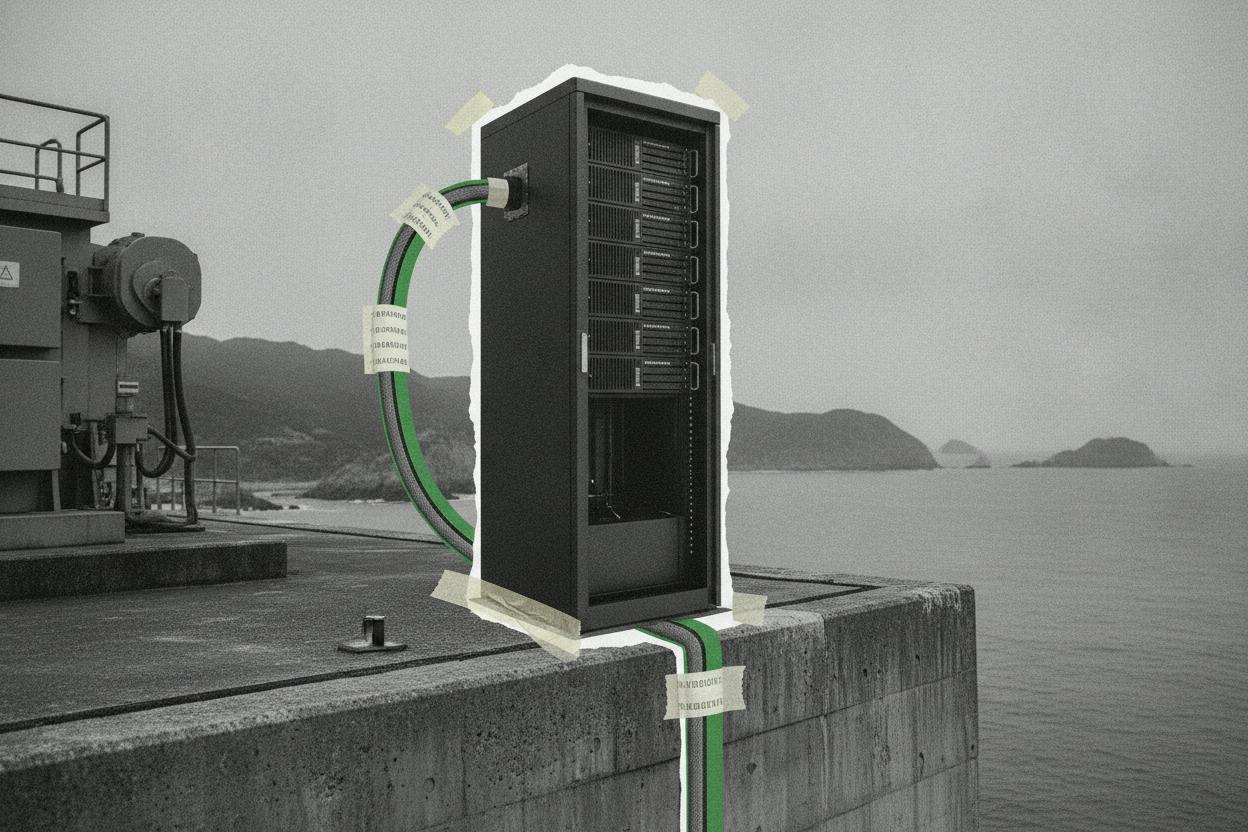
The Chiba site will be located next to JERA's existing power station, which provides a ready source of electricity. JERA will supply 400 MW of power under a 15- to 25-year agreement, ensuring the data center has a stable energy foundation for decades. RHAELM will lead the development of the facility, while Dell will provide the IT infrastructure and expertise.
Hyperscale data centers are the giant facilities used by cloud providers and AI companies to run massive computing workloads. They consume enormous amounts of electricity—a single 400 MW facility can power hundreds of thousands of homes. Securing that power is often the hardest part of a project, which is why JERA's involvement is significant.
Why standardization matters
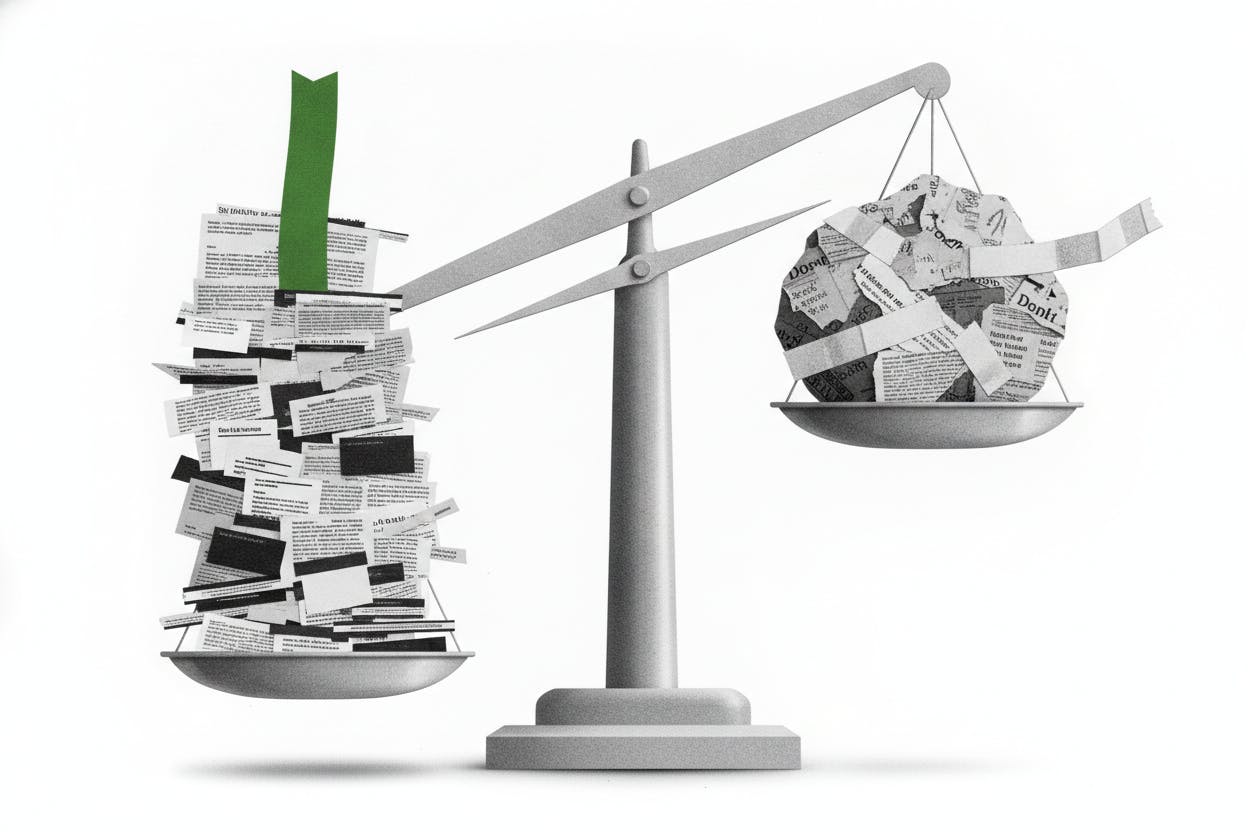
Traditionally, each data center is a custom build, with unique designs, long construction timelines, and unpredictable costs. That makes it difficult for lenders to assess risk and for operators to scale quickly. The JERA-Dell-RHAELM approach aims to create a "repeatable" model—similar to how factories use standardized processes to produce goods efficiently.
If successful, this could lower the cost of AI infrastructure and speed up deployment, which is critical as demand for AI services surges. It could also set a template for other regions struggling to build data centers fast enough.
For investors, the deal highlights the growing importance of energy as a key constraint in the AI race. Companies like Micron have already signaled that the AI memory boom has room to run, but that growth depends on having the physical infrastructure to support it.
What it means for investors
This partnership is a sign that the AI buildout is moving from the chip level to the facility level. While chipmakers and cloud providers get most of the attention, the companies that provide power, land, and construction expertise are becoming essential players.
For everyday investors, the key takeaway is that AI's growth isn't just about software—it's about massive capital spending on physical assets. That spending can benefit a wide range of companies, from utilities to equipment makers to construction firms. It also underscores the importance of long-term power contracts, which provide stable revenue for energy providers like JERA.
However, such projects carry risks. The $15 billion price tag is enormous, and construction delays or cost overruns could hurt returns. The 15- to 25-year power deal locks in revenue but also commits JERA to supplying power at a fixed price, which could become less profitable if energy costs rise.
Investors should also watch how this model scales. If JERA and its partners can replicate the Chiba project elsewhere, it could become a significant growth driver. But if the standardization fails to deliver the promised efficiencies, the concept may not catch on.
Broader context
The move comes as countries around the world race to build AI infrastructure. In the US, tech giants are investing billions in data centers, while in Asia, Japan is positioning itself as a regional hub. The Japanese government has been supportive of such projects, seeing them as a way to boost economic growth and technological leadership.
For JERA, the partnership is a way to diversify beyond traditional power generation and tap into the fast-growing data center market. For Dell, it's an opportunity to sell more servers and storage to a major new customer. And for RHAELM, it's a chance to prove its development model on a large scale.
As the AI boom continues, expect more such partnerships to emerge. The challenge of powering AI is not going away, and companies that can solve it will be well-positioned. For now, the Chiba project is a bold experiment that could reshape how AI data centers are built—and who profits from them.