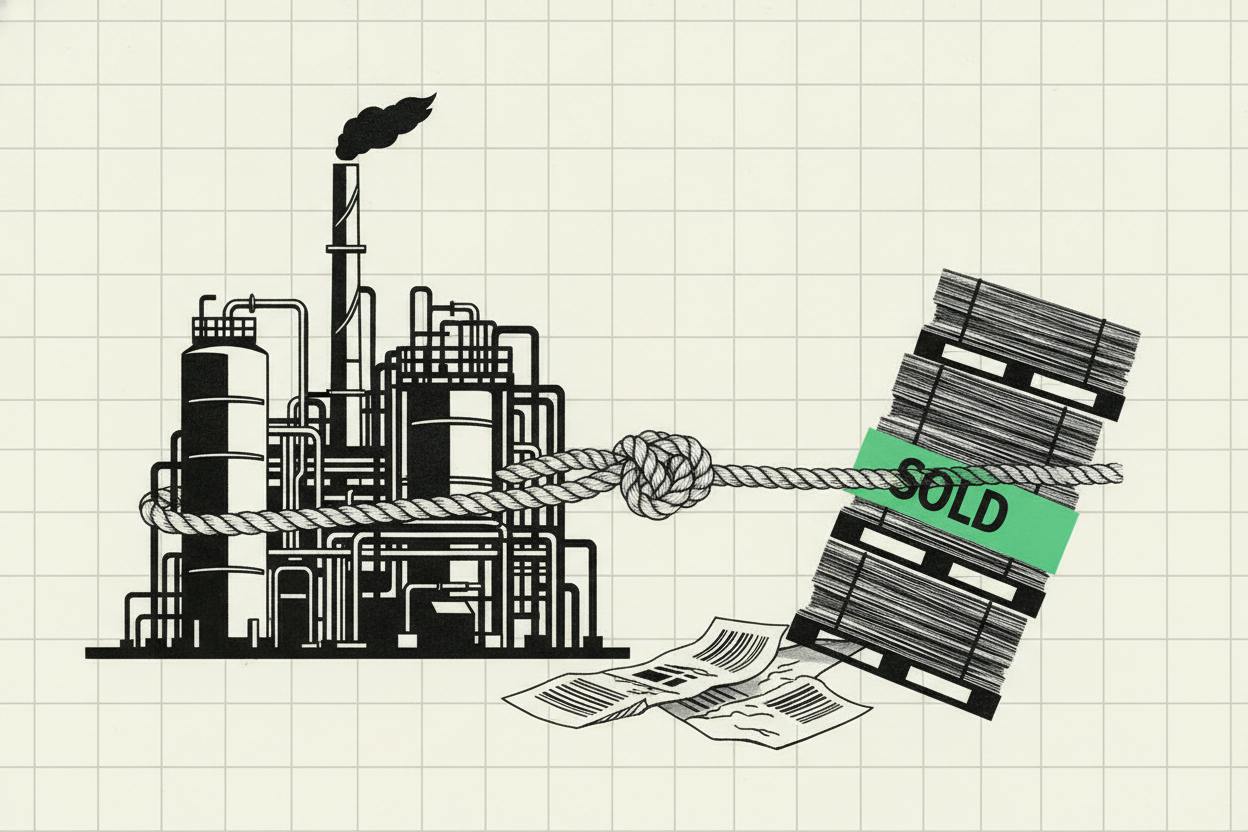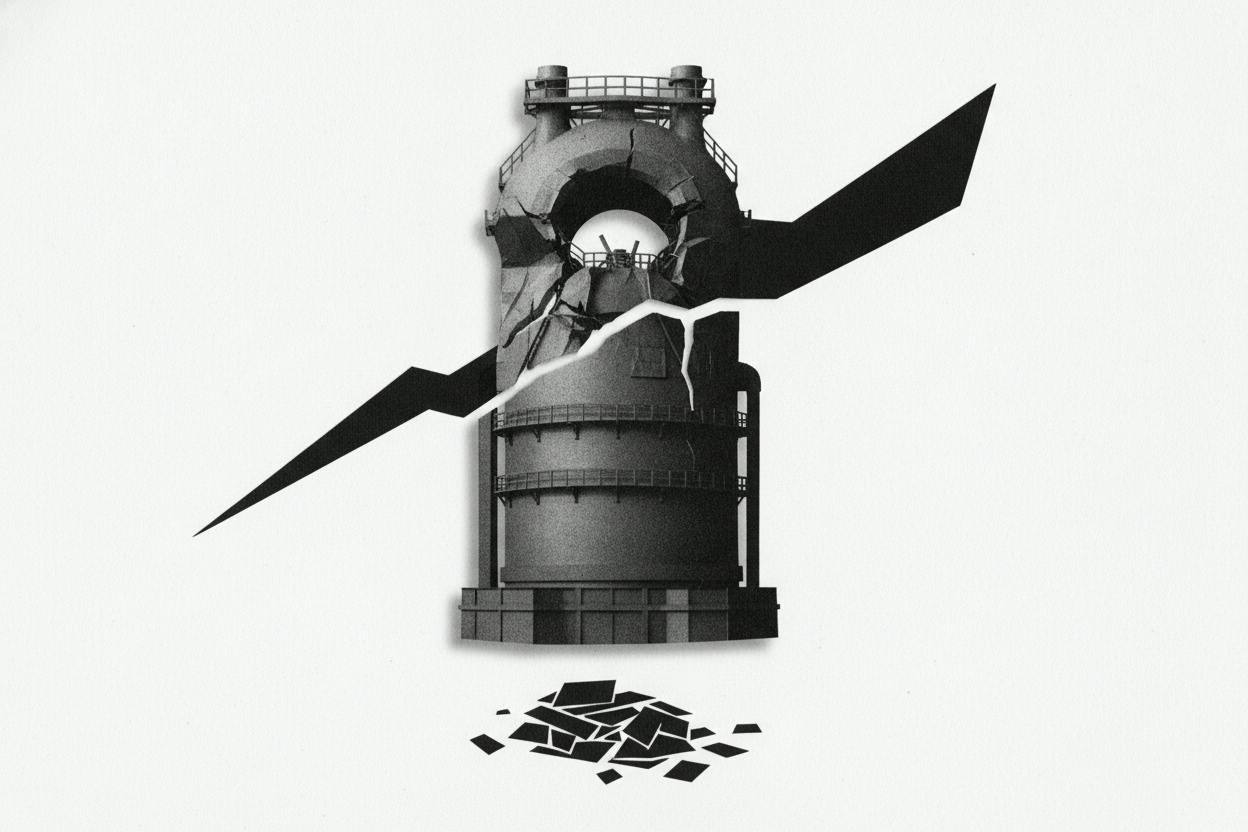
JFE Holdings, Japan's second-largest steelmaker, has lowered its profit forecast for the fiscal year ending March 2027 after severe weather damaged its Chiba steelworks, knocking out a significant chunk of production.
The company now expects net profit of 130 billion yen (about $870 million), down from its previous target of 150 billion yen. The revision follows heavy rain and a typhoon that damaged a blast furnace at the Chiba facility, cutting output by 700,000 metric tons.
What happened at Chiba?
The Chiba steelworks, located east of Tokyo, is one of JFE's key production sites. In late summer, a typhoon and torrential rain caused damage to a blast furnace, forcing the company to halt or reduce operations. JFE said restoration work is now complete, but the disruption will still cost the company around 50 billion yen through lower shipments and higher expenses, including repair costs.
As a result, JFE trimmed its crude steel production plan for the fiscal year to 20.8 million tons, down from an earlier estimate of 21.5 million tons. The company's chief financial officer, Toshihiro Tanaka, said deliveries will be affected in the coming months, though he did not provide a specific timeline for when shipments would return to normal.
Why this matters for steel markets
Steel is a foundational material for construction, autos, and heavy industry, so any major supply disruption can ripple through supply chains. JFE's reduced output could tighten domestic supply in Japan, potentially supporting steel prices in the short term. However, the company's own bottom line will take a hit from the lost sales and repair costs.
For investors, the key takeaway is that even large, well-capitalized manufacturers are vulnerable to extreme weather events, which are becoming more frequent and severe. This is a reminder that operational risks—not just market risks—can affect a company's earnings.
What it means for investors
JFE's revised guidance is a clear signal that the storm damage will weigh on its financial performance for the rest of the fiscal year. The 20 billion yen reduction in net profit forecast represents a meaningful downgrade, and the company's production cut could also affect its ability to meet customer demand.
Investors should watch how JFE manages its recovery and whether it can recoup lost volumes later in the year. Steelmakers often have some flexibility to shift production to other plants, but the Chiba facility is a major part of JFE's operations, so the impact may not be fully offset.
In the broader context, Japan's steel sector has been facing headwinds from softer demand in key markets like China and higher energy costs. The storm damage adds another layer of uncertainty. For everyday investors holding JFE shares or funds with exposure to Japanese steel, this news underscores the importance of monitoring company-specific operational risks alongside broader economic trends.
JFE's announcement comes as Japan's bond market rallies amid a tech-led stock selloff, highlighting the mixed signals in the country's financial markets. While the storm is a one-off event, its financial impact will be felt through the fiscal year.
For those looking at the wider industrial sector, the disruption at JFE is a reminder that supply chain shocks can come from unexpected places. Companies with diversified production bases may be better positioned to weather such events, but no manufacturer is immune to the effects of extreme weather.
As JFE works to restore full operations, investors will be watching its quarterly results for signs of recovery. The company's ability to manage repair costs and regain lost production will be key to whether it can narrow the gap between its revised forecast and its original target.
In the meantime, the storm damage at Chiba serves as a case study in how a single operational disruption can alter a company's financial trajectory. For investors, it's a reminder to look beyond headline earnings and consider the risks that can emerge from the ground up.