3M India reported a sharp drop in quarterly profit on Tuesday, even as revenue grew strongly, underscoring how currency swings and rising input costs can quickly erode earnings. The company's profit after tax for the quarter ended September 30 slipped to 1.58 billion rupees from 1.91 billion a year earlier, a decline of more than 17%.
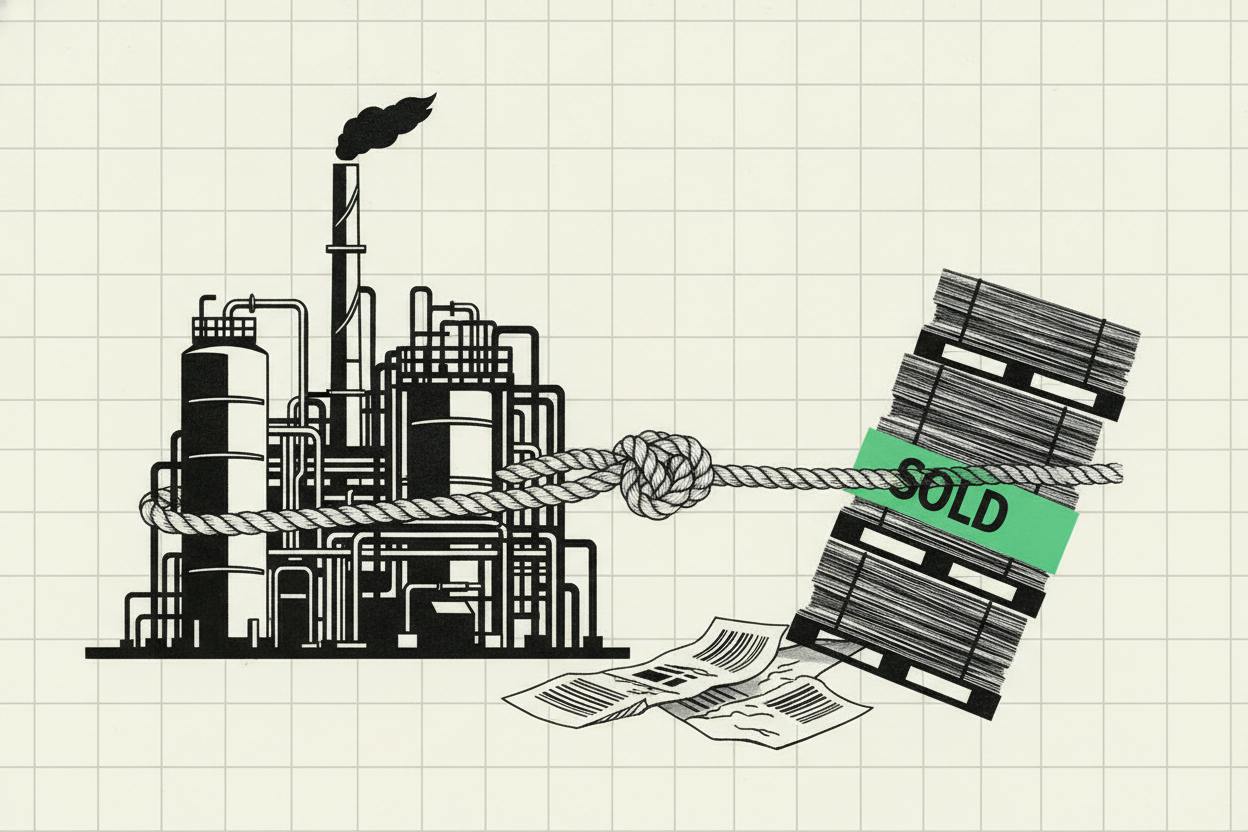
Revenue, meanwhile, rose 14.7% to 14.52 billion rupees, driven by solid demand across its product lines. But the cost side of the ledger told a different story: total expenses climbed 21.7%, including a 19.6% surge in raw material costs, which the company attributed to inflation pressures linked to the Middle East conflict.
Why costs are rising faster than sales
The core issue is that many of 3M India's raw materials are priced in US dollars or track global commodity prices. When the Indian rupee weakens against the dollar—Reuters cited an exchange rate of 94.1550 rupees per dollar—the same shipment of inputs becomes more expensive in local currency terms. That cost increase hits immediately, but companies often can't pass it on to customers right away.
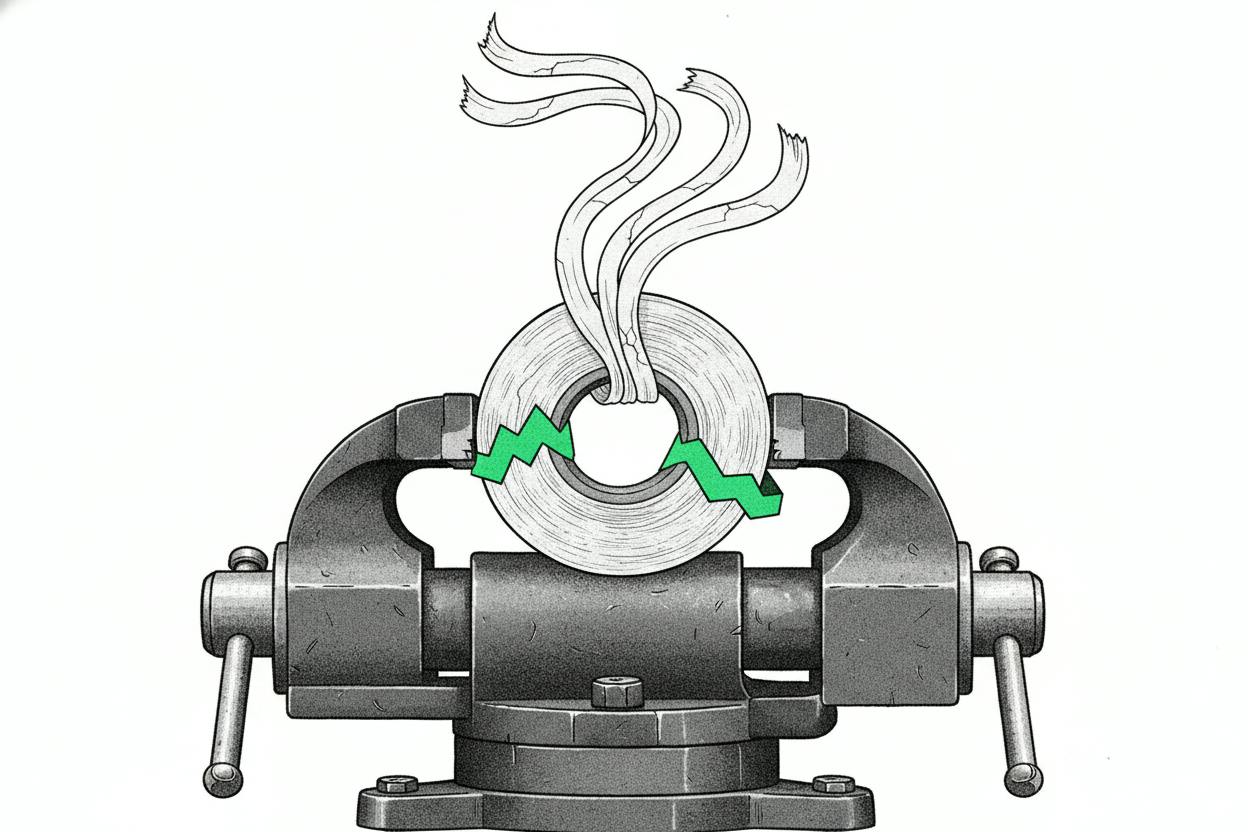
Price adjustments typically lag because contracts are fixed for a period, and customers negotiate before accepting higher prices. This lag compresses gross margin—the share of revenue left after direct production costs. Once gross margin narrows, fixed overheads like salaries and rent take a bigger bite out of profits, which can make earnings swing more sharply than sales.
For 3M India, the result was a classic margin squeeze: revenue grew at a healthy clip, but costs grew even faster, leaving less profit per rupee of sales.
Market reaction and what to watch
Investors focused on the margin pressure rather than the top-line growth. The stock fell as much as 11% in trading, hitting its lowest level since April 2025, according to Reuters. The share price closed at 26,680 rupees, a clear signal that the market sees the near-term outlook as challenging.
This divergence between revenue and profit growth is a reminder that the two don't always move together. A company can post strong sales gains and still see profits fall if costs are rising faster. For everyday investors, it's a useful lesson in looking beyond the headline revenue number to understand what's driving the bottom line.
If the rupee stays weak and raw material costs remain elevated, 3M India's earnings could stay volatile in the coming quarters. The company may eventually raise prices to recover margins, but that takes time and could dampen demand. Investors will likely watch for any signs of easing cost pressures or successful price hikes in the next earnings report.
Similar dynamics have played out across other Indian companies. For instance, Mahindra's SUV strength drove a profit jump despite a tractor slump, showing how product mix can offset cost pressures. And Reliance's biscuit push highlights the challenge of raising prices in India's price-sensitive market.
What it means for investors
For those holding 3M India shares, the key takeaway is that revenue growth alone doesn't guarantee profit growth. Currency movements and commodity prices are external factors that can quickly turn a good quarter into a disappointing one. The company's ability to manage costs and adjust pricing will be critical in the months ahead.
For broader markets, this report is a cautionary tale about the risks of investing in companies with significant exposure to imported raw materials. When the rupee weakens, companies like 3M India face an immediate hit to margins, even if their underlying business is healthy.
Investors should also note that this isn't unique to 3M India. TFG's profit slipped 6.8% as UK and Australia dragged, and JFE cut its profit outlook after a storm hit its steelworks—both examples of how external shocks can disrupt earnings despite otherwise solid operations.
In the near term, 3M India's results may remain more volatile than its top-line growth suggests. If the rupee stabilizes and cost inflation eases, margins could recover. But if those pressures persist, investors should brace for more earnings swings.