Reliance is trying to shake up India's biscuit market with ultra-cheap packs, but the country's tightest price points may leave little room for a repeat of its soft-drink price war. Britannia Industries' CEO Rakshit Hargave says the conglomerate's push into biscuits—starting at just 5 rupees—faces a far tougher math than its earlier assault on the cola market.
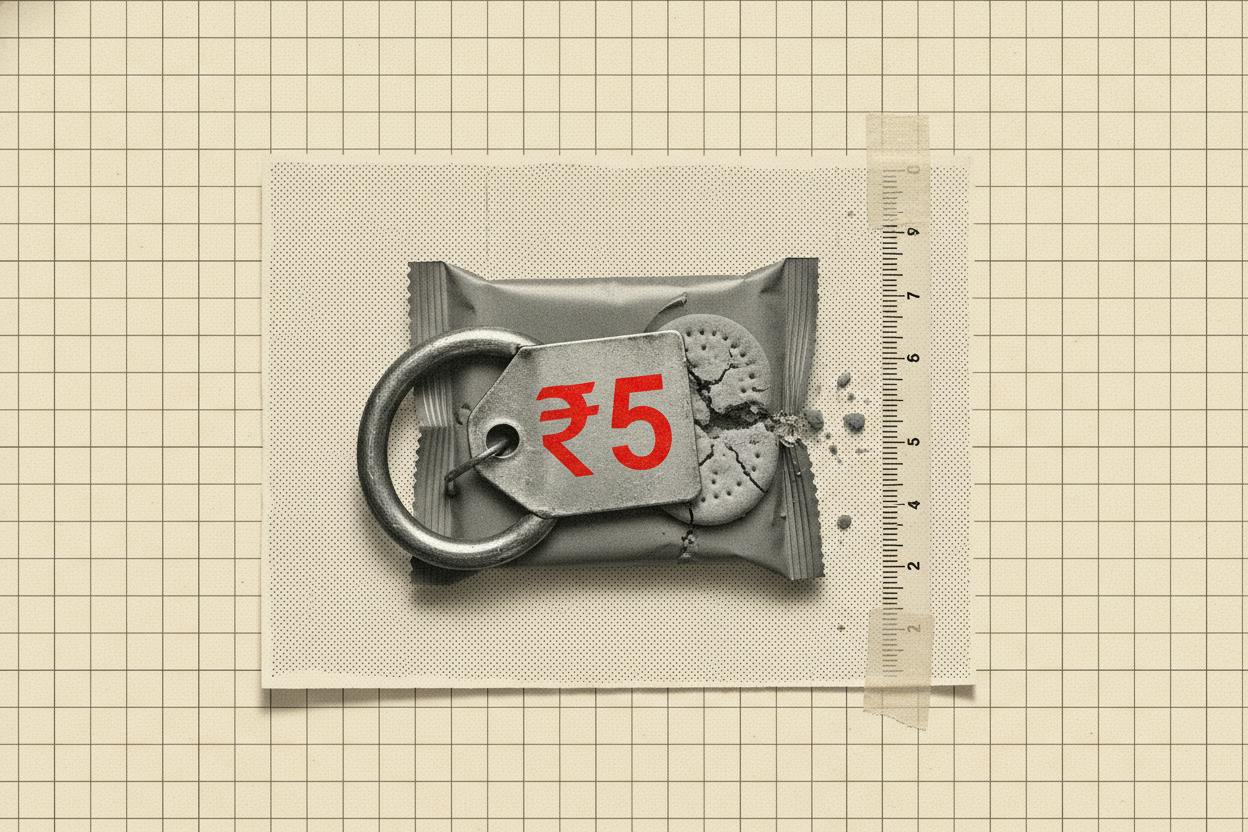
Reliance, India's largest retailer and a major conglomerate, has made biscuits a "focus category" for its consumer-products arm. It has rolled out 5-rupee "Independence" packs in Tamil Nadu, aiming to undercut established players. But Hargave argues that the mass-market biscuit segment already clusters at 5 and 10 rupees, leaving almost no room to discount without sacrificing most of the revenue per pack.
Why biscuits are different from soft drinks
When Reliance launched its Campa cola brand at aggressive prices, it could undercut rivals because soft drinks had more pricing headroom. Biscuits, by contrast, are already among the cheapest packaged foods in India. A 5-rupee pack is a staple for millions of consumers, and a small discount in absolute terms is a large percentage cut—one that can quickly erode margins.
Advisory firm Tiger Consulting echoes that view. Consultant A. Manikandan says there is "very limited room" for further price cuts at these levels before profitability takes a hit. That means the battle is unlikely to be won on sticker price alone.
Instead, the fight is shifting to quieter tactics: changing pack sizes, tweaking how many biscuits you get for the same price, and negotiating better terms with retailers. Britannia has already leaned that way. In the second quarter, it raised prices by 3.5%, and in the first quarter it shrank some packs—all while costs for wheat flour, palm oil, and sugar have been rising.
What it means for investors
For investors watching Britannia and Reliance's fast-moving consumer goods (FMCG) push, the key signals may not be dramatic price cuts. Instead, watch gross margins and volume trends, plus subtle changes in pack sizes. A 5-rupee pack leaves little room for a price war, so the pressure lands on who can protect profitability through pack architecture, frequent micro price resets, and better deals with stores.
Britannia's approach—raising prices and shrinking packs—is a classic response to input cost inflation. But it carries risks: if consumers balk at paying more for less, volumes could suffer. Reliance, with its deep pockets and retail reach, could force the entire category to rethink its pricing strategy, even if it doesn't spark a full-blown price war.
The broader context matters too. India's FMCG sector has been under pressure from rising input costs and cautious consumer spending. India's stock rally has cooled amid global market shifts, and Q2 earnings season is being watched closely for signs of margin pressure. For Britannia, a strong brand with pricing power, the biscuit battle is a test of how much it can pass on costs without losing customers.
For Reliance, the biscuit push is part of a larger ambition to build a consumer products empire. But the economics of a 5-rupee pack are unforgiving. As Hargave suggests, the company may find it harder to replicate the Campa cola playbook in a category where prices are already at rock bottom.
Investors should keep an eye on how both companies navigate this. If Reliance manages to gain share without destroying margins, it could reshape the biscuit market. If not, the pressure will show up in profitability—and that will be the real story.