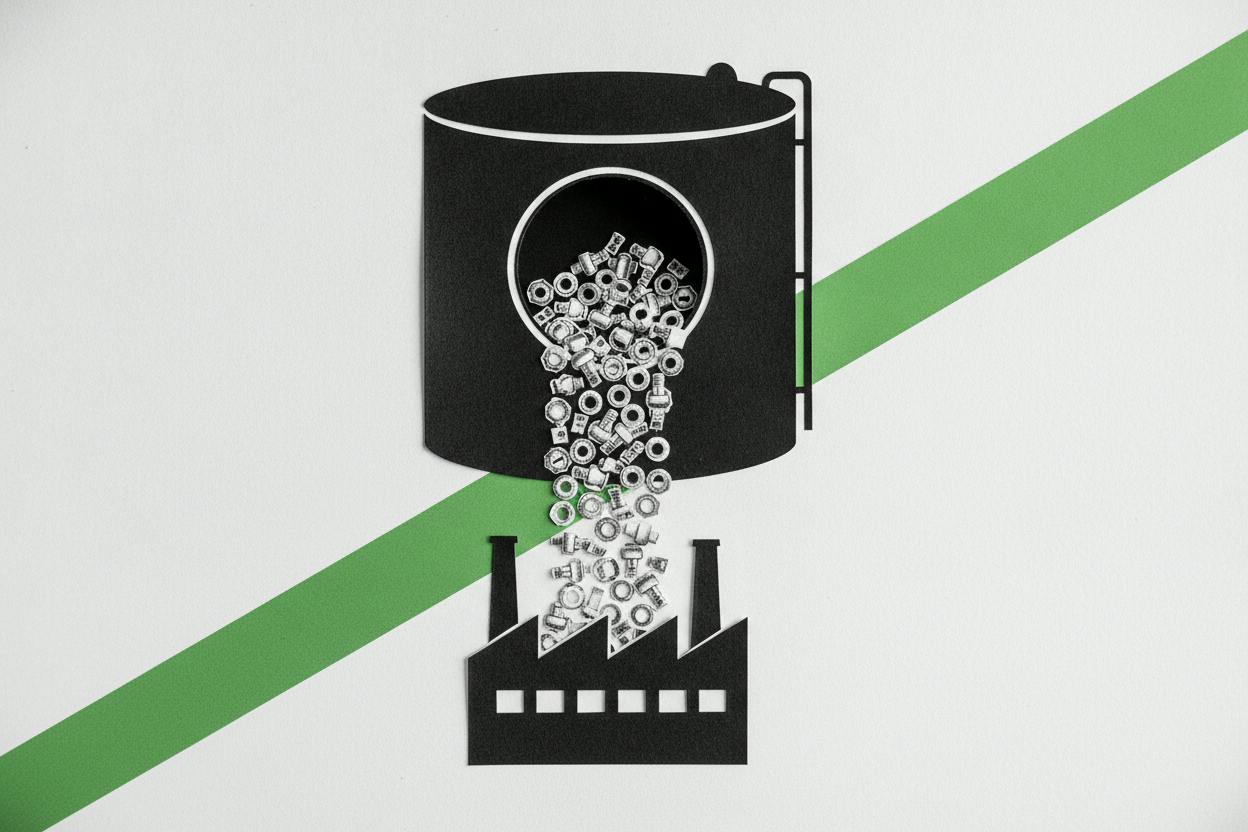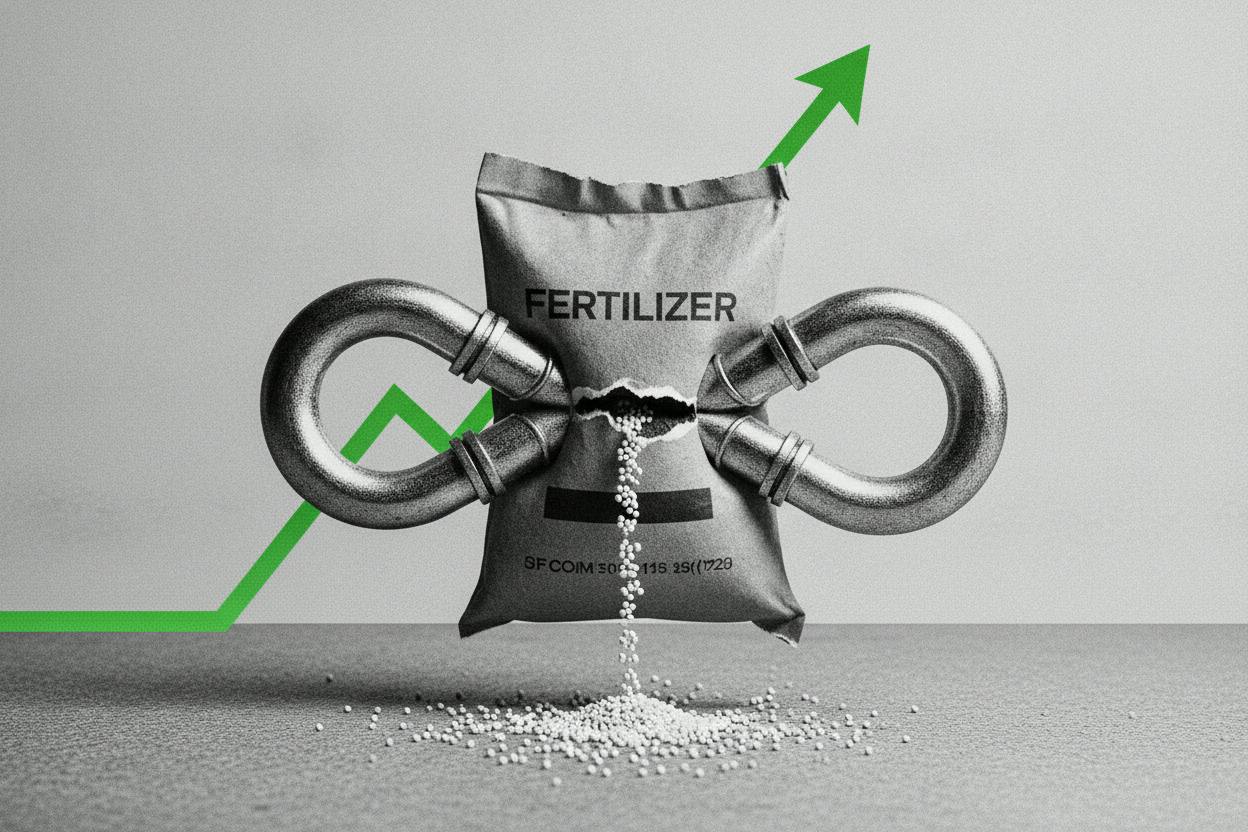
Grupa Azoty, Poland's largest fertilizer and chemicals producer, reported a swing into the red for its latest quarter, as a sharp jump in European natural gas prices crushed margins and prompted farmers to cut back on purchases. The company posted a 25 million zloty (about $6 million) loss in earnings before interest, taxes, depreciation, and amortization (EBITDA), a stark reversal from a 391 million zloty profit in the same period a year earlier, according to Reuters.
The culprit: Europe's benchmark gas price, the Dutch TTF contract, averaged €63.4 per megawatt-hour during the quarter, up 95% from a year ago. Natural gas is a key feedstock and energy source for fertilizer production, so the spike directly inflated Grupa Azoty's costs.
Why gas prices matter for fertilizers
Fertilizer manufacturing is highly energy-intensive. Ammonia, a building block for nitrogen fertilizers, is produced by combining natural gas with nitrogen from the air. When gas prices rise, so does the cost of making fertilizer. For a company like Grupa Azoty, which operates in a competitive global market, passing those higher costs onto customers is not always possible.
In this case, farmers—the main buyers of fertilizer—pulled back as prices climbed. With crop prices remaining relatively low, many farmers decided to reduce their fertilizer use or delay purchases, hoping for cheaper prices later. That left Grupa Azoty caught between rising input costs and weaker demand, a classic squeeze on profitability.
The company's experience reflects a broader challenge for European fertilizer makers, which have struggled with volatile energy costs since the region's gas crisis began. Some competitors have temporarily shut down plants when gas prices spiked, but Grupa Azoty continued operations, absorbing the higher costs.
What it means for investors
For investors, the key takeaway is the sensitivity of fertilizer producers to energy prices. When gas prices are high and crop prices are low, fertilizer makers often see their margins compress. This quarter's loss highlights how quickly profits can evaporate in this sector.
Looking ahead, investors will be watching two things: the trajectory of European gas prices and the strength of farmer demand. If gas prices ease, Grupa Azoty's costs could fall, potentially restoring profitability. Conversely, if gas remains elevated and farmers stay cautious, the company may face continued pressure.
The broader European market has also been affected by energy costs, with European stocks slipping amid a mix of corporate news. Meanwhile, other energy-intensive industries are grappling with similar dynamics—for instance, Outokumpu warned of a drop in steel deliveries due to weak European demand, and telecoms are shifting spending to shareholder returns.
For everyday investors, this story underscores the importance of understanding a company's cost structure. Firms that rely heavily on commodities like natural gas are more exposed to price swings. While fertilizer is essential for global food production, the industry's profitability is closely tied to the energy market.
Grupa Azoty's loss also serves as a reminder that even essential products can face demand destruction when prices rise too fast. Farmers, like any buyers, will adjust their behavior when costs become prohibitive.
As Europe's gas market remains volatile, the outlook for Grupa Azoty and its peers will hinge on energy prices and agricultural economics. Investors should keep an eye on both.