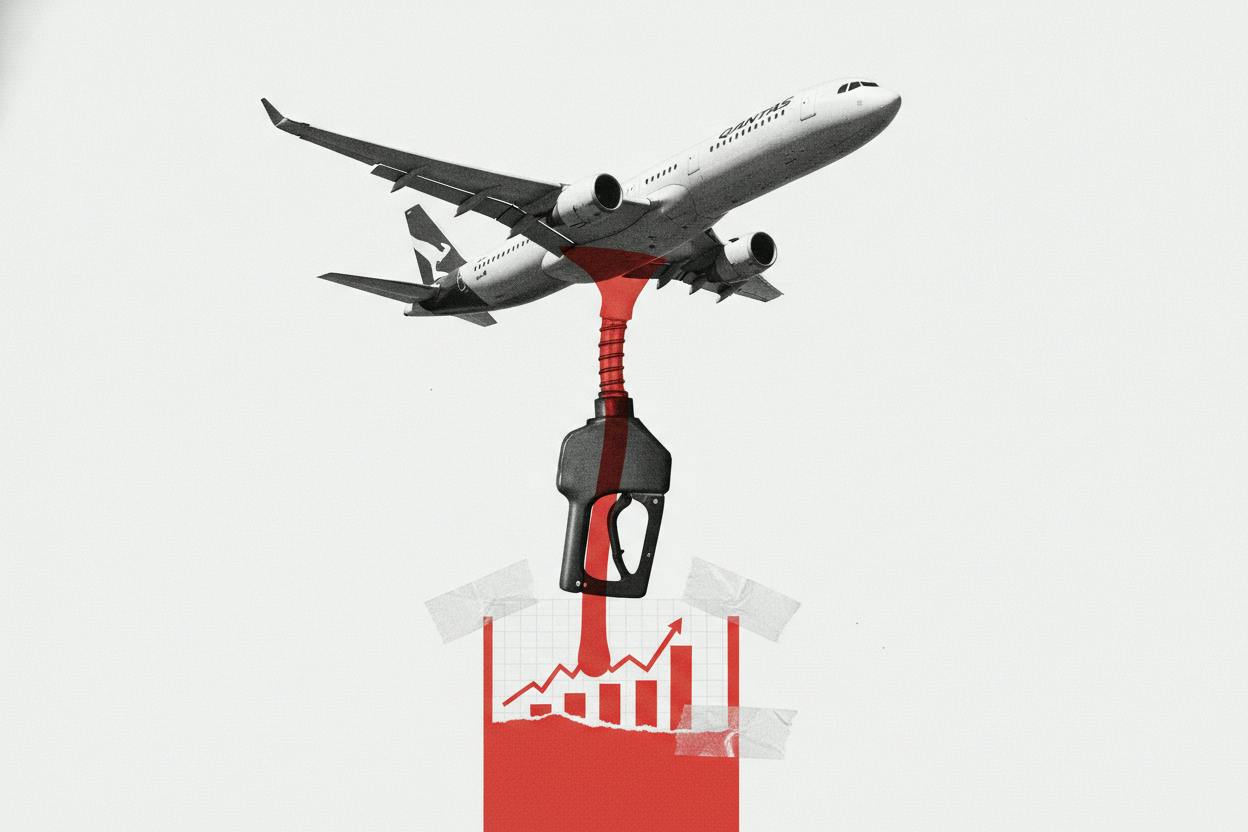
Qantas, Australia's largest airline, has lifted its fuel bill forecast for the first half of its financial year by A$150 million, bringing the total to A$3.75 billion. The company said higher jet-fuel costs are likely to persist for the rest of the financial year, a warning that could ripple through airfares and airline profitability.
Fuel is one of an airline's biggest expenses, often second only to labor. When fuel prices climb, carriers face a direct hit to their bottom lines unless they can pass the cost on to passengers or trim other spending. Qantas's updated guidance, which covers the six months ending December 31, is about 4% higher than what it projected at its annual results in August.
Why fuel costs are rising
The increase reflects a combination of global factors. Jet fuel prices are closely tied to crude oil, and Brent crude has been volatile in recent months due to supply concerns, geopolitical tensions, and shifting demand expectations. Airlines also face additional costs from refining margins and environmental mandates, which can push jet fuel prices higher than the underlying crude price.
Qantas said it expects these higher costs to stick around, meaning the pressure is not just a temporary blip. That outlook aligns with broader trends in the energy market, where hawkish central bank moves and supply constraints have kept commodity prices elevated.
How Qantas is responding
To manage the higher fuel bill, Qantas said it will keep adjusting two key levers: fares and flight capacity. Raising ticket prices helps offset higher input costs, while trimming capacity—such as reducing the number of flights or using smaller planes—can lower overall fuel consumption. These are standard tools for airlines when fuel costs rise, but they come with trade-offs. Higher fares can dampen demand, and cutting capacity can reduce market share.
The airline also has a buffer in its hedging program. Qantas is about 85% hedged for the full financial year, meaning it has locked in fuel prices for a large portion of its expected consumption. Hedging involves using financial contracts to fix future fuel costs, protecting the airline from sudden spikes. While hedging doesn't eliminate the impact of higher prices—it just delays it—it provides more certainty and can smooth out earnings.
Being 85% hedged is a relatively high level, giving Qantas more protection than many rivals. However, the remaining 15% is exposed to spot prices, and if fuel costs keep climbing, the airline will feel the pinch on that portion.
What it means for investors
For everyday investors, the key takeaway is that Qantas's profit margins are under pressure. A higher fuel bill directly reduces earnings unless the airline can fully pass on costs. The company's ability to raise fares without losing too many passengers will be crucial. If demand remains strong, Qantas can likely absorb the hit; if travelers balk at higher prices, the airline may have to eat some of the cost.
Investors should also watch how Qantas manages capacity. Cutting flights can help control costs but might also signal weaker demand. The airline's hedging strategy provides some comfort, but it's not a silver bullet—eventually, hedges roll off, and the airline will face market prices.
This news comes as other companies are also grappling with cost pressures. For example, Shake Shack recently missed revenue forecasts as low-income diners pulled back, and Bharti Airtel's profit missed due to rising network costs. These examples highlight a broader theme: rising input costs are squeezing margins across industries.
For Qantas specifically, the fuel forecast revision is a reminder that airlines are highly sensitive to commodity prices. Even with hedging, a sustained rise in jet fuel can erode profits and lead to higher airfares for consumers. Investors should monitor fuel price trends and Qantas's ability to manage its cost base.
Looking ahead
Qantas will report its first-half results in February, and investors will be watching to see if the higher fuel bill actually materializes and how it affects profitability. The airline's guidance suggests it expects fuel costs to remain elevated, but if oil prices fall, the company could benefit from its hedging position.
For now, the message is clear: higher fuel costs are here to stay, at least for the near term. Qantas is doing what it can to mitigate the impact, but the ultimate outcome will depend on global energy markets and consumer demand for travel.