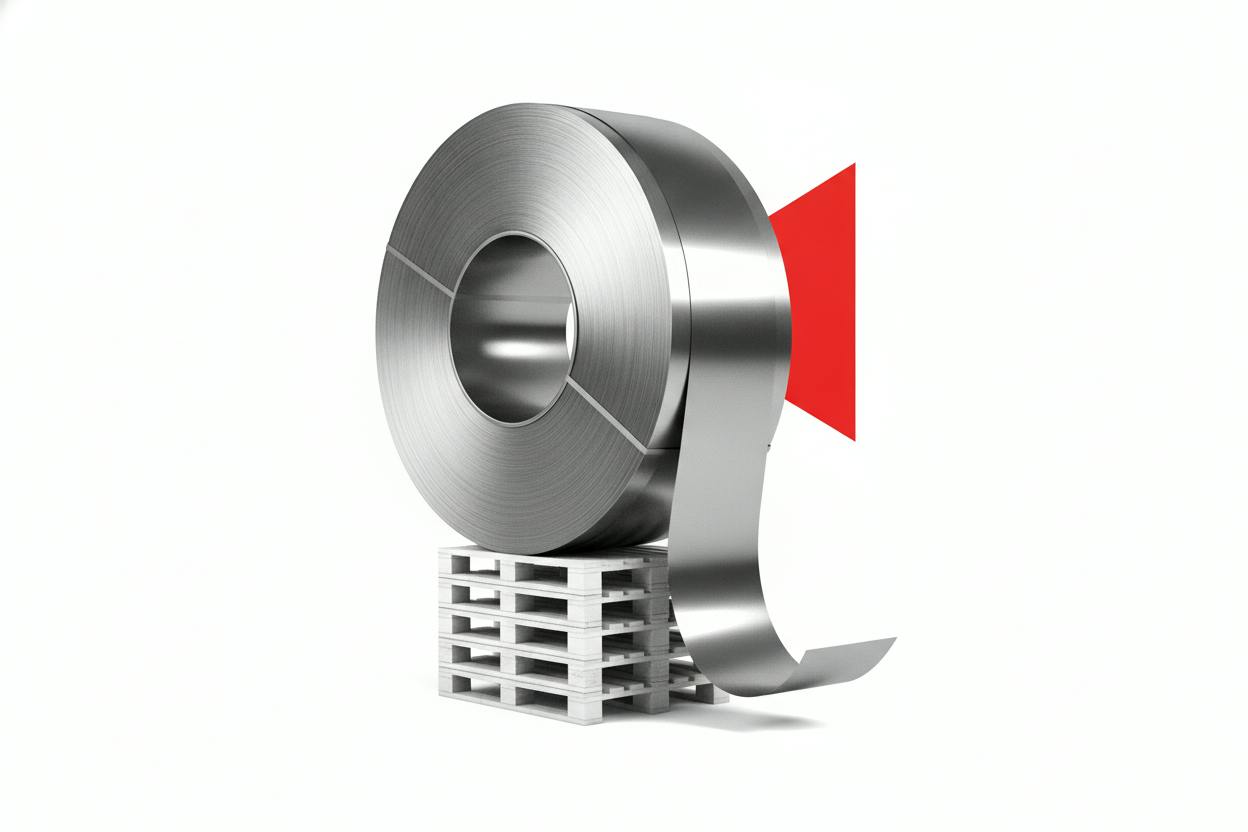
Outokumpu, one of Europe's largest stainless steel producers, is bracing for a softer end to the year. The Finnish company said it expects deliveries in Europe to fall by 5% to 15% in the fourth quarter of 2026 compared with the third quarter, as demand remains sluggish and customers continue to work through their existing inventories.
The warning, issued alongside the company's third-quarter results, underscores the persistent weakness in the European stainless steel market. Stainless steel is a key material used in everything from kitchen appliances and cutlery to industrial equipment and construction, so its demand is closely tied to the broader health of manufacturing and consumer spending.
Why is demand so weak?
The European stainless steel market has been under pressure for some time. High energy costs, subdued industrial activity, and cautious consumer spending have all weighed on orders. In addition, customers—who range from large manufacturers to smaller fabricators—have been running down their own stockpiles rather than placing new orders, a pattern that often signals they expect prices to stay soft or that they are simply managing cash carefully.
This inventory correction is a common feature in cyclical industries like steel. When demand slows, companies first use up the materials they already have on hand before ordering more. That can create a temporary lull in new orders, even if underlying consumption is not falling as sharply. Outokumpu's guidance suggests that this process is still ongoing, and that the fourth quarter will be a tough one for the company.
The company's outlook is also a reflection of broader economic conditions in Europe. Manufacturing activity in the region has been patchy, with some countries faring better than others. The European Central Bank's interest rate policy, inflation, and geopolitical uncertainty all play a role in shaping the demand environment for industrial goods like stainless steel.
What does this mean for investors?
For investors, Outokumpu's warning is a reminder that cyclical companies—those whose earnings are closely tied to the ups and downs of the economy—can see sharp swings in performance. When demand weakens, as it has in Europe, these companies often face lower volumes, thinner margins, and pressure on their share prices.
The 5-15% decline in deliveries is a significant range, and it suggests that the company's fourth-quarter revenue could take a noticeable hit. However, it is important to note that this is a forecast, and actual results could come in better or worse depending on how the market evolves in the coming months.
Investors should also consider that Outokumpu is not alone in facing these challenges. Other steelmakers in Europe and around the world have been dealing with similar headwinds. For example, JFE, a Japanese steelmaker, recently cut its profit outlook after a storm damaged its Chiba steelworks, highlighting how both demand and operational issues can affect the sector.
For those with a broader portfolio, the news is a useful reminder of the importance of diversification. Steel and other basic materials are cyclical, and their fortunes can turn quickly. A single global ETF can simplify investing across world markets, offering exposure to a wide range of sectors and regions, which can help smooth out the volatility that comes from owning individual cyclical stocks.
What to watch next
Investors will be watching Outokumpu's fourth-quarter results closely, but there are also broader signals to monitor. The company's guidance is a leading indicator for the European stainless steel market, and it could foreshadow similar warnings from other producers. If demand remains weak, we may see more companies in the sector trim their production or adjust their outlooks.
On the other hand, if the inventory correction runs its course and demand stabilizes, the fourth quarter could mark the bottom of the cycle. Steel prices, which have been under pressure, could recover if supply tightens and orders pick up. But for now, the outlook is cautious.
Outokumpu's situation also fits into a larger narrative about European industry. The region has been grappling with high energy costs and competition from cheaper imports, which have squeezed margins for many manufacturers. European stocks have been volatile, and the performance of industrial companies like Outokumpu is a key part of that story.
For everyday investors, the key takeaway is that cyclical stocks can be rewarding but also risky. They tend to perform well when the economy is growing, but they can fall sharply when conditions deteriorate. Understanding where we are in the cycle—and how much risk you are willing to take—is essential when considering exposure to companies like Outokumpu.
As always, it is wise to focus on the long term and avoid making impulsive decisions based on short-term news. The stainless steel market may be weak today, but it has recovered from downturns before. Whether it does so again will depend on a range of factors, from global economic growth to trade policies and energy prices.