Spain's largest listed companies are keeping investors busy with a mix of solid earnings, a strategic divestment, and fresh speculation about a potential breakup of one of the country's biggest renewable energy players.
Travel technology group Amadeus flagged a third-quarter profit of €381.4 million, while supermarket operator DIA agreed to sell its Argentine business for $53.8 million. At the same time, deal talk is swirling around Acciona Energia, the renewables arm of infrastructure giant Acciona, with reports suggesting a possible sale or separation of the unit.
Amadeus: steady results in a resilient travel market
Amadeus, best known for the booking and technology systems that power airlines and travel agencies, reported a Q3 profit of €381.4 million. The figure underscores how the travel industry has continued to recover and grow after the pandemic slump, with airlines and hotels relying on Amadeus's platforms to manage reservations, pricing, and operations.
For everyday investors, Amadeus's profit is a useful barometer for the health of global travel. When airlines and travel companies are busy, they pay Amadeus for its services, so its earnings tend to track the broader travel cycle. The company's performance suggests that demand for travel remains solid, even as consumers and businesses watch their spending more carefully in some regions.
Investors will likely be watching whether Amadeus can maintain this momentum into the crucial holiday season, when travel bookings typically peak. Any signs of softening demand could weigh on the stock, but for now the company appears to be in a comfortable position.
DIA exits Argentina to focus on core markets
In a separate move, Spanish discount supermarket chain DIA agreed to sell its Argentine business for $53.8 million. The sale is part of DIA's broader strategy to streamline operations and focus on its most profitable markets, which include Spain and Brazil.
Argentina has been a challenging market for many international retailers due to high inflation, currency controls, and economic volatility. By exiting, DIA can reduce its exposure to these risks and free up cash to invest in its core operations. For investors, this divestment is a sign that management is willing to make tough decisions to improve the company's financial health.
The sale price of $53.8 million is relatively modest, but the strategic value may be higher. DIA has been working to turn around its business after years of intense competition from larger rivals like Mercadona and Lidl. Shedding a loss-making or capital-intensive operation can help improve margins and reduce debt, which are often key concerns for investors in retail stocks.
Acciona Energia: breakup talk heats up
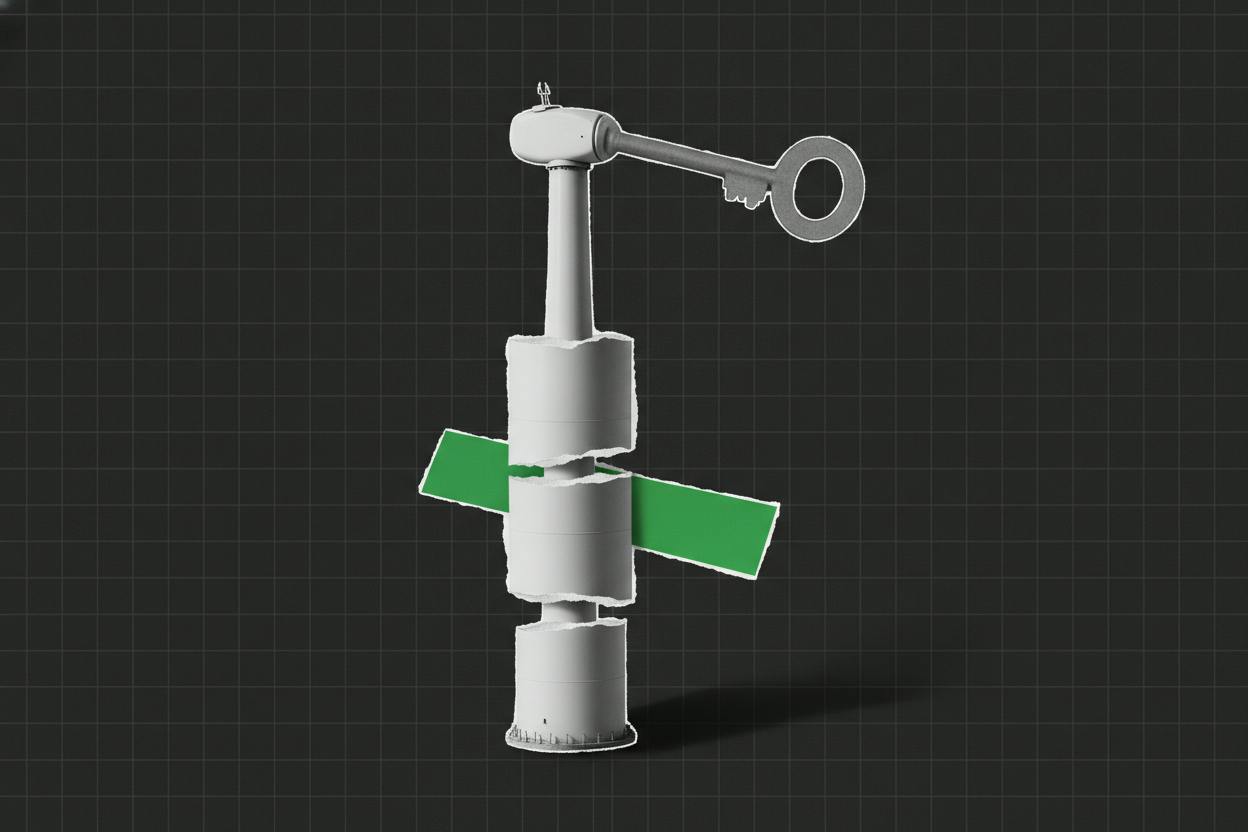
The biggest headline, however, may be the speculation around Acciona Energia. Reports suggest that Acciona, the parent company, is considering a sale or separation of its renewable energy unit. Such a move could unlock value for shareholders, as the renewables business may be worth more on its own than as part of the larger conglomerate.
Acciona Energia is one of the world's largest pure-play renewable energy companies, with a portfolio of wind, solar, and hydroelectric assets across multiple countries. A breakup or sale could attract interest from infrastructure funds, pension funds, or other energy companies looking to expand their clean energy footprint.
For investors, the key question is what a deal would mean for Acciona's share price. If the market believes the parts are worth more than the whole, a breakup could lead to a re-rating of the stock. However, such transactions are complex and can take months to complete, and there is no guarantee that a deal will happen at all.
What it means for investors
These three stories highlight different aspects of the Spanish market. Amadeus shows the resilience of travel-related businesses, DIA demonstrates the importance of strategic focus, and Acciona Energia illustrates how corporate restructuring can create investment opportunities.
For everyday investors, the takeaway is to look beyond the headline numbers and consider the underlying strategy. A company that is selling off non-core assets, like DIA, may be positioning itself for stronger long-term growth. A company with solid earnings, like Amadeus, may be a steady performer in a cyclical industry. And a potential breakup, like Acciona Energia, could create value but also carries execution risk.
As always, it's wise to diversify across sectors and regions rather than betting on any single company's outcome. The Spanish market, with its mix of tourism, retail, and renewable energy, offers a range of opportunities, but each comes with its own set of risks.
Investors will be watching for further details on the Acciona Energia situation, as well as any updates from Amadeus and DIA in the coming weeks. For now, the message from Spain's big names is clear: they are managing their businesses actively, pruning what doesn't work, and positioning for the future.