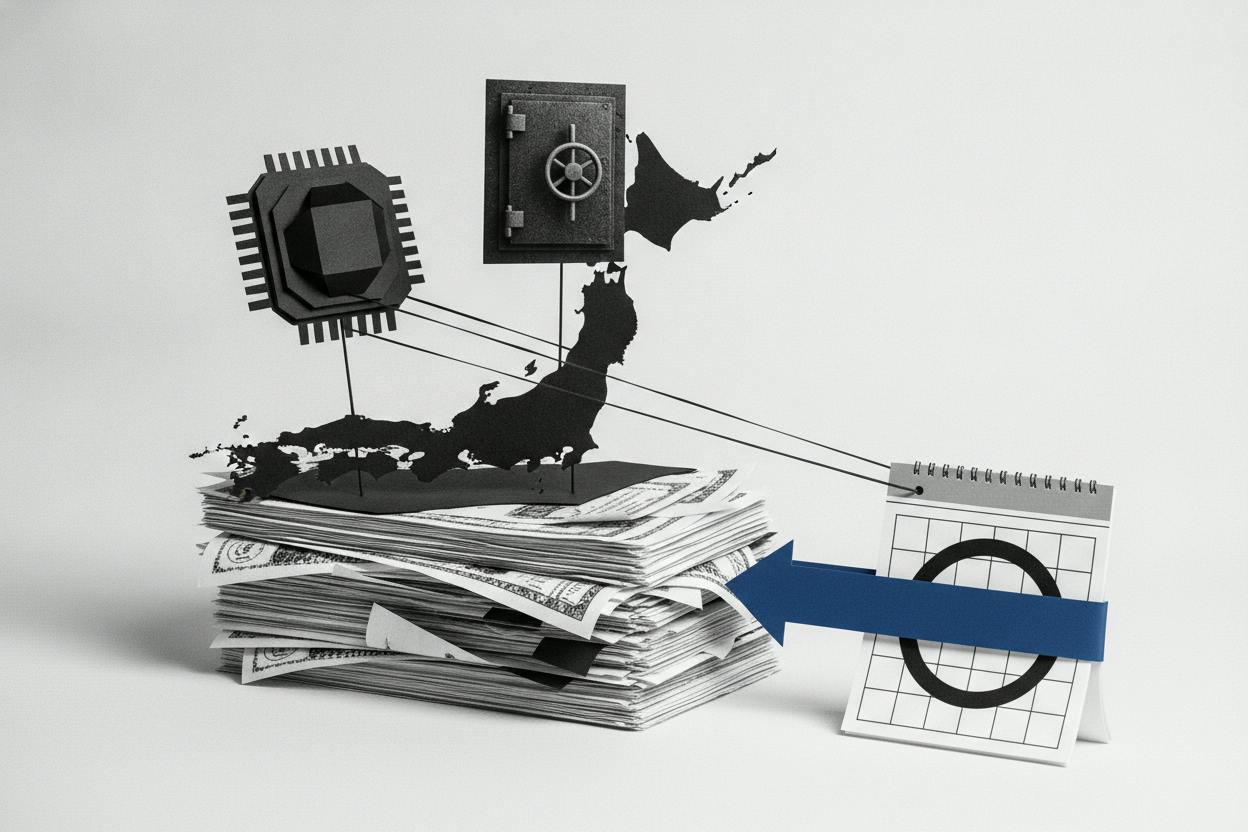
Wall Street is heading into Thursday's US payrolls report with investors on edge, watching whether a strong jobs number could bring back talk of another Federal Reserve rate hike. The stakes are high: chip stocks have been swinging, and the Nasdaq is coming off a bruising week.
What the Jobs Report Means for Rates
The monthly payrolls data has become the market's next stress test. If hiring remains strong, investors may conclude that inflation pressures can stick around, keeping interest rates higher for longer. That matters because stock prices are built on future profits, and higher rates make those future dollars worth less in today's math. Growth-heavy indexes like the Nasdaq are especially sensitive to this dynamic.
Rate expectations have already shifted. Fed funds futures recently moved to better-than-even odds of a hike by the Fed's September meeting, according to LSEG data. That is a sharp change from earlier hopes for cuts by year-end. A hot payrolls number could solidify those expectations, putting further pressure on stocks.
Chip Stocks: The 85% Run Meets September Hike Pricing
The Philadelphia Semiconductor Index (SOX) is still up about 85% from its late-March low, but it has pulled back as investors debate whether the AI trade has gotten stretched. Even after Micron's strong results, the sector remains jumpy. The narrow leadership of a few big tech names has made the market vulnerable to sharp reversals.
If the payrolls report pushes markets to price in higher rates, the pressure often shows up first in 'long-duration' stocks—companies whose value depends heavily on profits expected years from now. That description fits many large tech and chip names, so a small shift in rate expectations can translate into bigger moves in their valuations than in more defensive sectors. This dynamic is reminiscent of recent episodes where AI valuation concerns have weighed on the sector.
Thin Liquidity, Higher Volatility
The setup is also awkward for traders. With US markets closed Friday for Independence Day, a holiday-shortened week can mean thinner liquidity, which can amplify index-level swings around a single major data release. Put together, that raises the odds of outsized volatility in the Nasdaq and semiconductor-heavy corners of the market, even if company-specific earnings headlines remain solid.
Investors should also keep an eye on broader market dynamics. Recent sticky US inflation has already revived Fed rate hike fears in some markets, and a strong jobs report could reinforce that narrative globally.
What It Means for Investors
For everyday investors, the key takeaway is that the jobs report is not just about employment—it is a signal for the entire rate outlook. A hot number could mean higher rates for longer, which tends to hit growth stocks hardest. Defensive sectors like utilities or consumer staples may hold up better in that scenario.
It is also worth remembering that the market's reaction may be exaggerated by the holiday-shortened week. Thin liquidity can make moves bigger than they would otherwise be, so a sharp drop or rally on Thursday may not reflect a lasting trend. As always, staying diversified and avoiding knee-jerk reactions is a prudent approach.
In the meantime, the chip sector remains a focal point. The SOX's 85% run has been remarkable, but the recent pullback suggests investors are reassessing valuations. The jobs report could either reinforce that caution or provide a catalyst for a rebound, depending on the data.