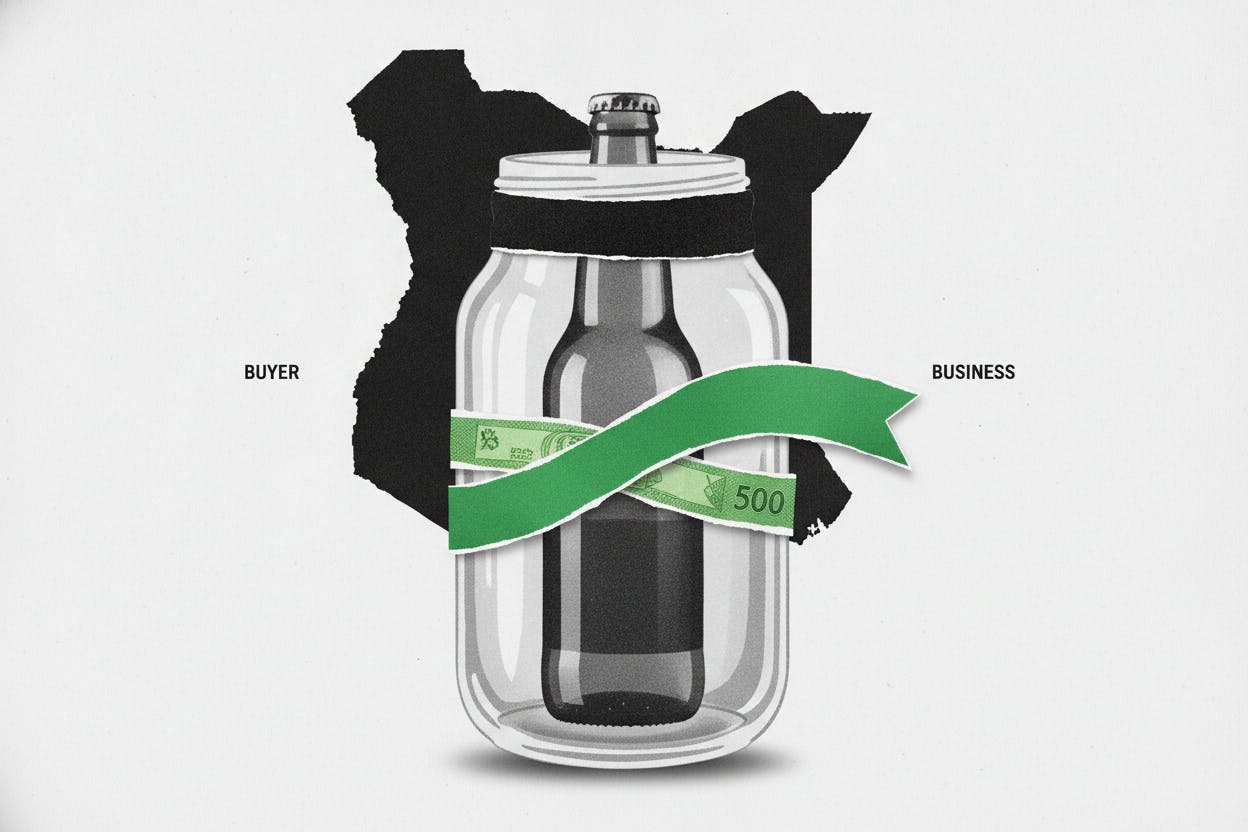
Kenya's competition regulator is scrutinizing one of the biggest corporate deals in the country's recent history: Diageo's plan to sell its 65% stake in East African Breweries (EABL) to Japan's Asahi for $2.3 billion. But before giving the green light, the authority is proposing that EABL set aside up to 15 billion Kenyan shillings (about $115 million) in reserves.
The move signals that regulators are not simply rubber-stamping the transaction. They want to ensure that the deal does not leave the brewer—or the Kenyan market—in a vulnerable position. For everyday investors, this is a reminder that big cross-border deals often face hurdles beyond just price and strategy.
What's behind the reserve requirement?
The Competition Authority of Kenya is weighing the Asahi acquisition while suggesting that EABL build a financial cushion. The idea is to protect the company's operations and its stakeholders—including employees, suppliers, and minority shareholders—in case the change in ownership leads to disruptions or unforeseen costs.
Reserves are essentially money set aside for future needs, such as debt repayments, capital investments, or economic downturns. By requiring EABL to hold up to 15 billion shillings, the regulator is effectively asking the brewer to maintain a stronger balance sheet before the deal closes.
This is not an unusual condition. In many jurisdictions, competition authorities impose conditions on mergers and acquisitions to prevent harm to competition or to ensure the stability of essential industries. Beer and spirits are a significant part of Kenya's consumer economy, and EABL is a household name with a long history in the region.
Why Diageo is selling
Diageo, the London-based spirits giant behind brands like Johnnie Walker and Guinness, has been reshaping its portfolio. The company has faced cooling demand for spirits in some markets, and it recently announced a $1 billion cost-cutting program. As part of that reset, Diageo has been trimming its workforce and focusing on higher-growth areas. Selling its stake in EABL is consistent with that strategy, allowing Diageo to raise cash and simplify its operations.
Asahi, a Japanese brewer known for its beer brands, is looking to expand beyond its home market. Acquiring EABL would give Asahi a strong foothold in East Africa, where EABL dominates the beer and spirits market. The deal would be one of the largest foreign acquisitions in Kenya in recent years.
What it means for investors
For investors in Diageo, the sale is part of a broader effort to improve efficiency and returns. The company has been under pressure to show that its cost-cutting measures will pay off. The EABL sale, if completed, would provide a substantial cash infusion that could be used for debt reduction or share buybacks.
For investors in EABL, the reserve requirement could be seen as a positive sign. It suggests that the regulator is focused on protecting the company's long-term health, not just approving a deal quickly. However, it also means that some of the proceeds from the sale—or future profits—might be locked away in reserves rather than distributed as dividends.
Minority shareholders in EABL will be watching closely. The deal's structure and any conditions attached could affect the value of their shares. If the reserve is funded from EABL's own cash flow, it could reduce the amount available for dividends in the near term.
Broader context: Kenya's economy and regulatory climate
Kenya has been working to attract foreign investment, and a deal of this size would be a vote of confidence in the country's economy. However, regulators are also becoming more assertive in reviewing large transactions, especially those involving essential consumer goods. The central bank has been cutting interest rates, which has helped revive loan demand, but the economy still faces challenges such as currency volatility and inflation.
The reserve requirement is not just about EABL; it's about ensuring that the Kenyan market remains stable. Beer and spirits are big business in Kenya, and EABL is a major employer and taxpayer. Any disruption could have ripple effects.
What happens next
The Competition Authority's decision is pending. It could approve the deal with conditions, reject it, or ask for more information. Diageo and Asahi will likely need to address the regulator's concerns before the transaction can proceed.
For investors, the key takeaway is that this deal is not done yet. Regulatory reviews can take time, and conditions like the reserve requirement can change the economics of the deal. Keep an eye on announcements from the Competition Authority and from Diageo and Asahi.
In the meantime, Diageo's broader cost-cutting efforts continue. The company has been trimming costs as spirits demand cools, and its margin plan has won some analyst support. The EABL sale is just one piece of a larger puzzle.
For Kenyan investors, the deal could reshape the local market. Asahi would bring new management and possibly new strategies. The regulator's insistence on a reserve suggests it wants to ensure that EABL remains strong through the transition.
Ultimately, this is a story about how regulators can shape the outcome of major corporate deals. For everyday investors, it's a reminder to look beyond the headline numbers and consider the conditions that come with a deal.