Keurig Dr Pepper topped Wall Street's third-quarter profit and sales forecasts, as US consumers continued to pay up for premium sodas and energy drinks even as the company's own costs ate into margins.
The beverage maker's results offer a fresh read on the health of the American consumer, who has been navigating higher prices for everyday goods. While some companies have reported softening demand, Keurig Dr Pepper's performance suggests shoppers are still willing to splurge on drinks they consider worth the extra cost.
Premiumization drives growth
Keurig Dr Pepper, known for its coffee systems and a portfolio that includes Dr Pepper, Canada Dry, and Snapple, is leaning on what the industry calls “premiumization” — selling more higher-priced drinks to fuel growth in a tougher cost environment.
The strategy appears to be working. The company reported strength in its domestic refreshment beverages unit, where volumes rose 7.2% and prices increased 3.7% from a year earlier. That growth was helped by products like Dr Pepper Zero Sugar, Bloom Pop prebiotic soda, and Ghost energy drinks, which have carved out niches with consumers seeking functional or lower-sugar options.
Energy drinks and prebiotic sodas have been among the fastest-growing categories in the beverage aisle, as shoppers trade up from traditional sodas. Keurig Dr Pepper's push into these segments is part of a broader industry trend, with rivals also investing in brands that promise more than just a caffeine hit.
Coffee bounces back
The company's coffee business also showed signs of recovery. US coffee volumes rose 6.9% after a decline in the same period a year earlier, suggesting that demand for at-home brewing is stabilizing after a post-pandemic slump.
Keurig's single-serve pods and brewers remain a staple in many kitchens, and the rebound in volumes could signal that consumers are returning to their coffee routines despite higher prices.
Cost pressures persist
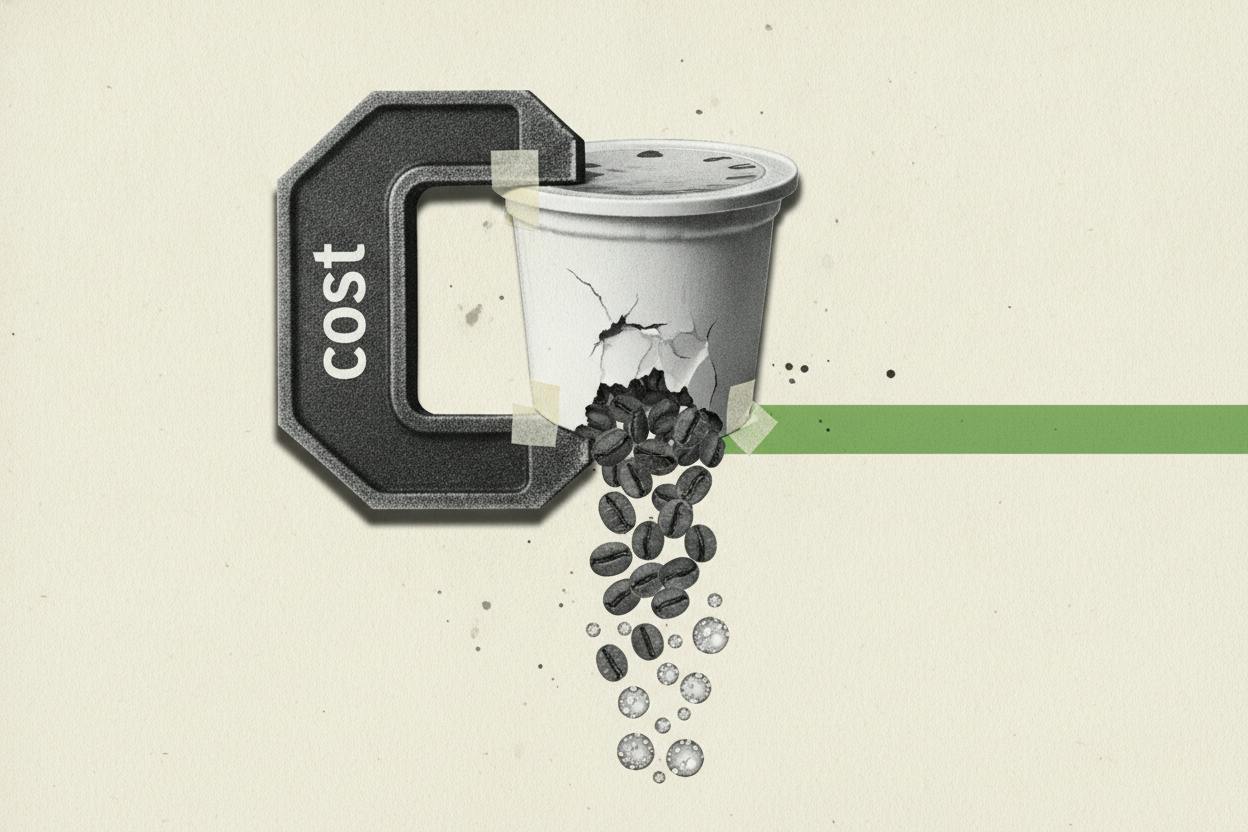
Despite the top-line beat, Keurig Dr Pepper's gross margin slipped compared with the same quarter last year. The company, like many in the food and beverage sector, is grappling with higher costs for ingredients, packaging, and transportation. While it has raised prices, those increases haven't fully offset the squeeze.
This is a familiar story across the industry. Other companies have also seen sales rise while costs cap profit growth, and some, like Lufthansa, have cut forecasts as fuel costs climb. For beverage makers, the challenge is balancing price hikes with consumer tolerance.
So far, Keurig Dr Pepper's customers have absorbed the increases, but the margin dip is a reminder that pricing power has limits. If costs keep rising, the company may need to find efficiencies elsewhere or risk further margin compression.
What it means for investors
For everyday investors, Keurig Dr Pepper's results are a mixed signal. On one hand, the company is demonstrating resilience in a challenging environment, with volumes growing and consumers still willing to trade up. On the other, the margin decline highlights the persistent pressure from inflation.
Investors often watch gross margin as a key indicator of a company's pricing power and operational efficiency. A slip, even when sales beat, can raise questions about future profitability. However, if the company can maintain volume growth while managing costs, it may be well-positioned when inflationary pressures ease.
The broader takeaway is that consumer staples companies like Keurig Dr Pepper are often seen as defensive investments, providing steady demand even in economic downturns. But they are not immune to cost shocks, and their ability to pass those costs on to consumers is crucial.
Looking ahead, investors will likely focus on whether the company can sustain its premiumization strategy and whether coffee volumes continue to recover. They'll also watch for any signs that consumers are starting to balk at higher prices, which could signal a shift in spending behavior.
For now, Keurig Dr Pepper's beat suggests that the American shopper is still spending on small indulgences — even as the cost of those indulgences rises.