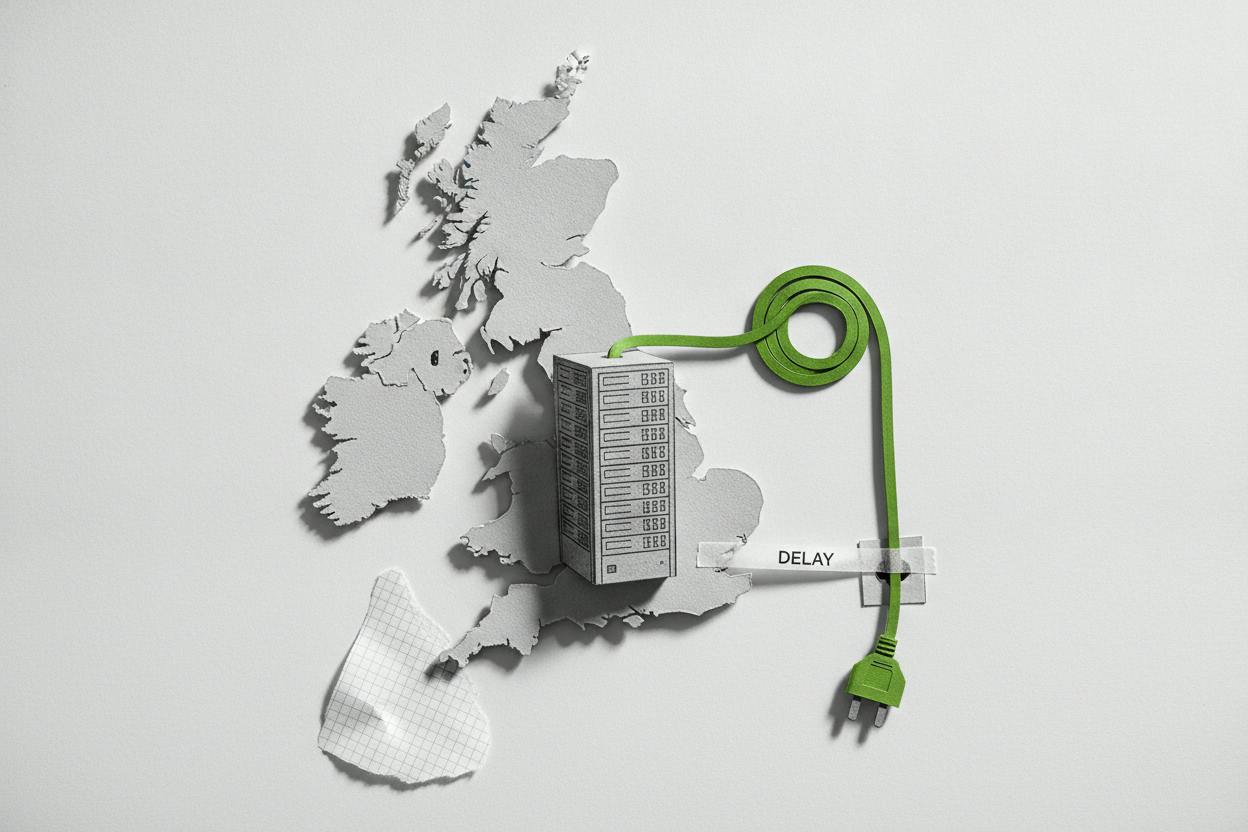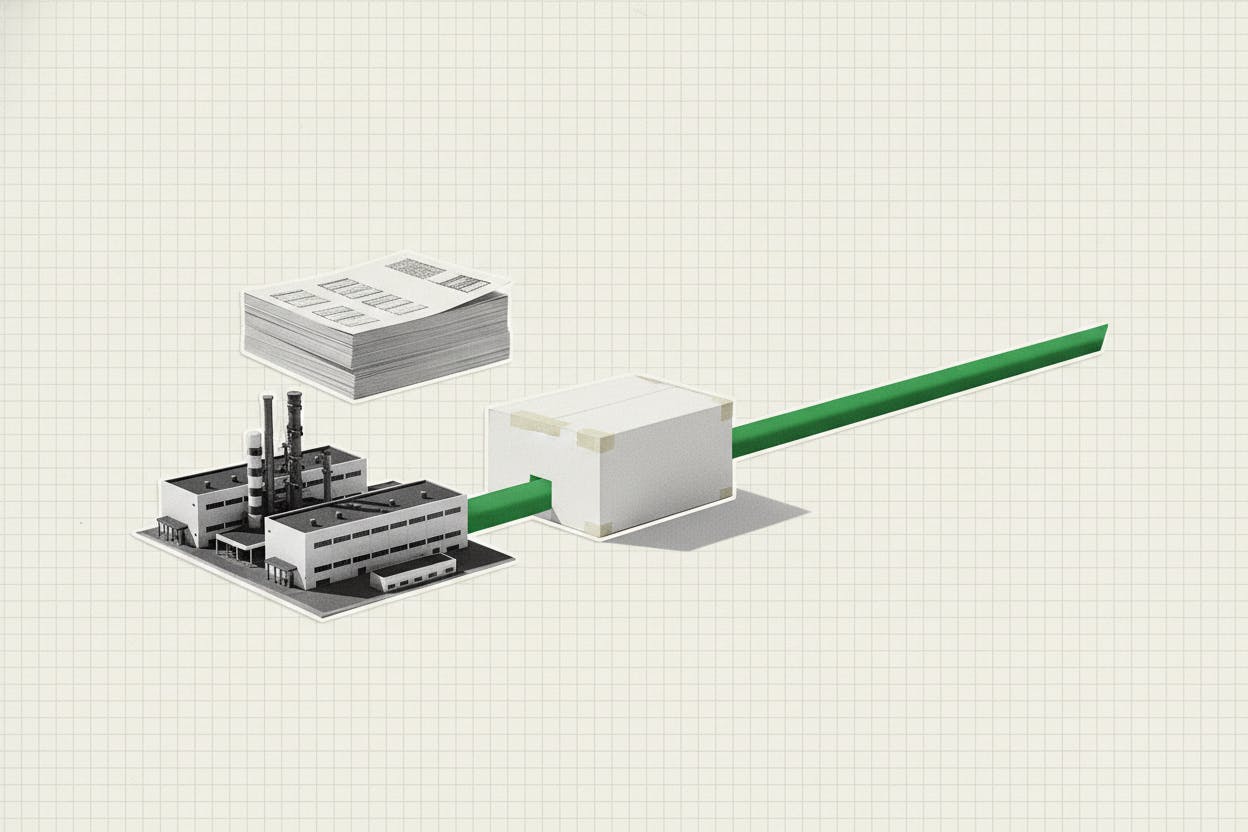
Japanese chipmaker Kioxia is reportedly preparing a massive expansion of its NAND flash memory production facility in Iwate Prefecture, with plans to invest more than ¥1 trillion (roughly $6.7 billion) to add a third building at the site. According to Nikkei Asia, the new building is not expected to begin operations until 2029 or later, highlighting the long lead times inherent in semiconductor manufacturing.
NAND flash memory is the type of storage used in smartphones, solid-state drives (SSDs), and data center servers. It is a critical component in the modern digital economy, and demand for it has been growing steadily as cloud computing, artificial intelligence, and data-intensive applications expand. Kioxia, which was spun off from Toshiba in 2018, is one of the world's largest producers of NAND flash, competing with companies like Samsung, SK Hynix, and Micron.
A long-term bet on data storage
The timing of the reported investment is the key detail. With operations not expected to start until 2029 or later, Kioxia is essentially placing a bet on what demand for data storage will look like well into the next decade. This is not a short-term play; it is a strategic commitment that requires significant capital upfront and years of construction and equipment installation before any revenue is generated.
Semiconductor manufacturing is notoriously capital-intensive. Building a new fabrication plant, or "fab," involves cleanrooms, specialized equipment, and rigorous testing. The multi-year timeline is typical for such projects, but the scale of the investment—over ¥1 trillion—underscores the company's confidence in the long-term growth of data storage needs.
The report also suggests that Kioxia is treating this project as part of Japan's broader industrial strategy. Executives are expected to brief the prime minister's office, and the company has already been in contact with equipment suppliers. This aligns with Japan's efforts to bolster its domestic semiconductor industry, which has been a focus of government policy in recent years, especially given global supply chain concerns and the push for technological self-reliance.
What it means for investors
For everyday investors, this news is a reminder that the semiconductor industry operates on very long horizons. While the immediate impact on Kioxia's financials may be minimal—since the investment will be spread over several years—the announcement signals the company's strategic direction and its belief in sustained demand for memory chips.
Kioxia is not publicly listed on major exchanges, but it has been the subject of IPO speculation in the past. Investors who are interested in the memory chip sector might look at this as a positive indicator for the industry as a whole, as it suggests that a major player is willing to commit billions to expand capacity. However, it's important to note that memory chip markets are cyclical, with periods of oversupply and price declines. A large expansion could eventually lead to increased supply, which might pressure prices if demand doesn't keep pace.
The news also comes amid a broader backdrop of heightened interest in semiconductors, driven by the AI boom. Companies like Nvidia have seen their valuations soar, and there is a race to build data centers to support AI workloads. This has led to increased demand for memory and storage, as seen in ballooning AI spending plans across the tech industry. Kioxia's investment appears to be a direct response to this trend, positioning itself to meet future demand from cloud providers and AI applications.
Investors should also consider the broader market context. Japanese equities have been volatile recently, with chip stocks cooling off even as other sectors like banks lift the TOPIX index. The semiconductor sector is sensitive to global economic conditions and trade tensions, so any major investment carries risks.
For those looking at the memory market, it's worth watching how Kioxia's plans develop, as well as how competitors respond. If other manufacturers also expand capacity, the industry could face oversupply in the late 2020s. Conversely, if demand from AI and data centers grows faster than expected, these investments could pay off handsomely.
In the meantime, the news is a signal of confidence in the long-term future of data storage. For investors, it's a reminder to think beyond the next quarter and consider the multi-year trends shaping the technology landscape. As always, diversification and a focus on your own financial goals are key.