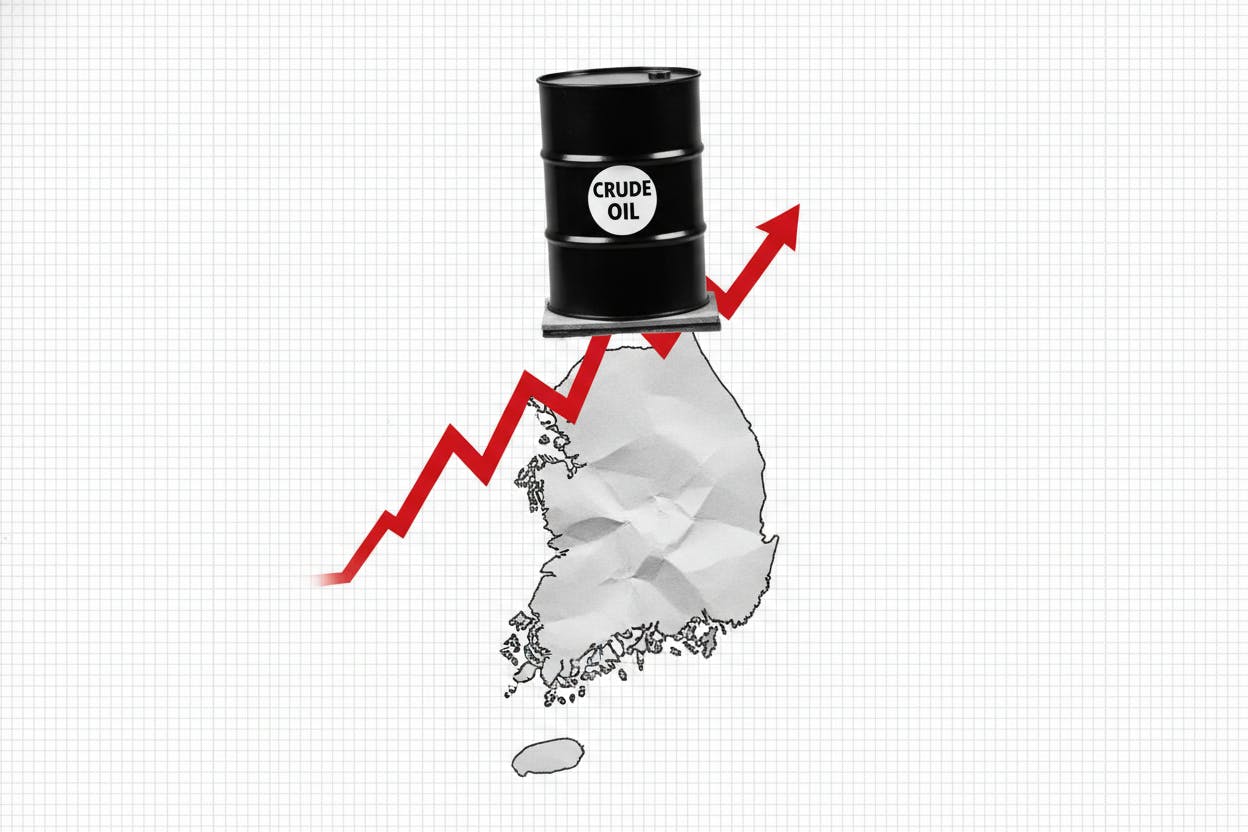
South Korean stocks took a sharp hit on Wednesday, with the benchmark KOSPI index falling 3.13%. The drop came as global markets wrestled with two simultaneous pressures: rising government bond yields and a spike in oil prices following fresh US-Iran strikes, according to Reuters.
The selloff in Seoul was part of a broader regional trend, as investors around the world recalibrated their expectations for interest rates and inflation. For everyday investors, the move is a reminder of how interconnected global markets have become—and how events on the other side of the world can quickly ripple into domestic portfolios.
Why bond yields and oil are moving markets
At the heart of Wednesday's decline is a global bond selloff that has been pushing yields higher. Government bond yields—especially US Treasuries, which serve as a benchmark for borrowing costs worldwide—have been climbing as investors bet that central banks will keep interest rates higher for longer. When yields rise, the "risk-free" return that investors can earn from holding government debt becomes more attractive. That, in turn, makes stocks look less appealing, because the future profits of companies are worth less in today's dollars when discounted at a higher rate.
Adding to the pressure is the jump in crude oil prices. The renewed US-Iran strikes have raised concerns about supply disruptions in a region that accounts for a significant share of the world's oil output. Higher oil prices feed directly into the cost of fuel, shipping, and raw materials, which can squeeze corporate profit margins. They also complicate the fight against inflation, as energy costs are a major component of consumer price indexes.
For South Korea—a major importer of energy and a heavily export-oriented economy—the combination of higher yields and pricier oil is particularly challenging. The country's large manufacturing and technology sectors are sensitive to global demand and input costs, making the KOSPI especially vulnerable to shifts in these global factors.
What this means for investors
For investors, the key takeaway is that the market is being driven by macro forces rather than company-specific news. When bond yields and oil prices move together, they can create a "double whammy" for equities: higher discount rates reduce the present value of future earnings, while higher input costs threaten current profitability.
This environment tends to favor defensive sectors—like utilities, consumer staples, and healthcare—which are less sensitive to economic cycles and often pay steady dividends. On the other hand, growth stocks, particularly in technology and consumer discretionary, tend to suffer more because their valuations rely heavily on expected future earnings.
It's also worth noting that the KOSPI's decline is not isolated. Asian markets broadly slid as oil jumped, and Wall Street also slipped on similar concerns. The moves are part of a synchronized global repricing of risk.
Looking ahead
Investors will be watching several things in the coming days. First, whether oil prices continue to climb or stabilize—that will depend on how the US-Iran situation evolves. Second, whether Treasury yields keep pushing higher, which would put further pressure on equity valuations. Third, any signals from central banks about the path of interest rates.
For South Korea specifically, inflation data will be closely monitored. Recent inflation figures showed headline price growth cooling, but the underlying trend remains a concern. If oil prices stay elevated, that could reignite inflationary pressures and force the Bank of Korea to keep policy tight.
The dollar has remained steady amid the turmoil, which is notable because a stronger dollar can be a headwind for emerging markets, including South Korea. A firmer dollar makes dollar-denominated debt more expensive to service and can lead to capital outflows from riskier assets.
The bottom line
Wednesday's drop in the KOSPI is a textbook example of how global macro factors can overshadow local fundamentals. For long-term investors, the best course is often to stay diversified and avoid making impulsive decisions based on short-term market moves. While the immediate outlook is uncertain, history suggests that markets eventually adjust to new interest rate and oil price realities.
As always, it's important to remember that market volatility is normal. The key is to focus on your own financial goals and time horizon, rather than trying to time the market based on daily headlines.



