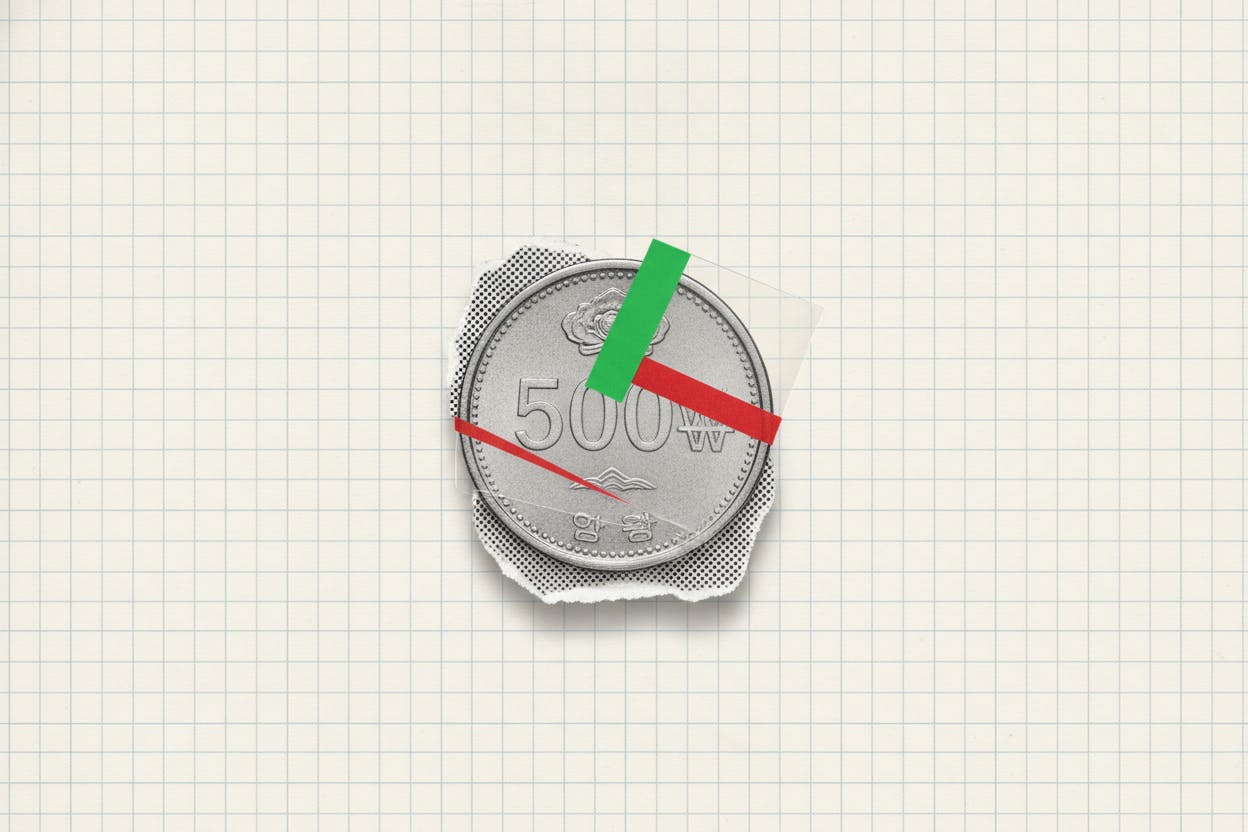
South Korea's consumer price inflation picked up in August, but the increase was smaller than economists had expected — and officials say the headline number was flattered by a one-off quirk in mobile service fees. Strip that out, and the underlying pace of price growth was closer to 2.5%.
The data, released by Statistics Korea, showed the consumer price index (CPI) rose 3.1% in August compared with the same month a year earlier. That was up from July's reading and above the central bank's 2% target, but below the 3.2% that many forecasters had pencilled in.
For everyday investors, the key takeaway is that South Korea's inflation problem is not as bad as the headline suggests. The one-off mobile fee effect — likely a change in how telecom companies bill certain services — temporarily pushed up the index. Without it, the underlying trend is running at a more moderate pace.
What's behind the numbers?
Inflation readings are often noisy. A single category can swing the overall figure, especially when it involves a widely used service like mobile phone plans. In this case, officials indicated that the mobile fee adjustment added roughly 0.6 percentage points to the annual CPI rate. That means the 'core' or underlying inflation — which excludes volatile items and one-off effects — was closer to 2.5%.
That distinction matters because central banks and investors look at underlying inflation to gauge the true direction of price pressures. A headline that is temporarily boosted by a one-off factor can give a misleading signal about whether the economy is overheating or cooling.
South Korea's inflation has been on a gradual downward path over the past year, but it remains above the Bank of Korea's 2% target. The central bank has kept interest rates relatively high to bring price growth under control, and this latest data gives policymakers some breathing room.
What it means for investors
For investors, the August inflation report is a reminder that not all inflation is created equal. A single month's headline number can be distorted by temporary factors, so it's important to look at the underlying trend. The fact that underlying inflation is running at 2.5% — still above target but closer to it — suggests the Bank of Korea may not need to tighten policy further.
That could be positive for South Korean assets, including stocks and bonds. Lower inflation pressure reduces the likelihood of aggressive rate hikes, which can weigh on corporate earnings and economic growth. It also supports the value of the Korean won, which has been sensitive to interest rate differentials with the US.
However, investors should not assume that the battle against inflation is over. The 3.1% headline is still well above the 2% target, and global factors — such as energy prices and supply chain disruptions — could push it higher again. As we've seen in other economies, inflation can be stubborn. For example, eurozone inflation ticked up to 3.3% recently, driven by high energy costs, and UK shop price inflation jumped to 1.5%, showing that price pressures remain a global concern.
For South Korea, the next key data point will be the Bank of Korea's monetary policy decision. If underlying inflation continues to ease, the central bank might consider cutting rates later this year, which could boost economic activity and support stock prices. On the other hand, if inflation proves sticky, as Fed's Barr warned about the US, the Bank of Korea could be forced to keep rates higher for longer.
Broader context
South Korea is a major exporter, and its economy is closely tied to global trade. Inflation in the country is influenced by both domestic demand and external factors like oil prices and the value of the won. The recent US factory growth cooled in August but price pressures stayed hot, which could have spillover effects on global inflation and, in turn, on South Korea.
For now, the August CPI report offers a mildly reassuring picture. The underlying inflation trend is moderating, and the one-off mobile fee effect will fade from the year-on-year calculation in the coming months. That should help bring the headline number closer to the underlying rate, making it easier for the central bank to justify a pause in rate hikes.
Investors should keep an eye on the Bank of Korea's next move and on global inflation trends. If South Korea's underlying inflation continues to ease, it could be a positive sign for the economy and for investors with exposure to Korean assets. But as always, it's important to look beyond the headline and understand what's driving the numbers.