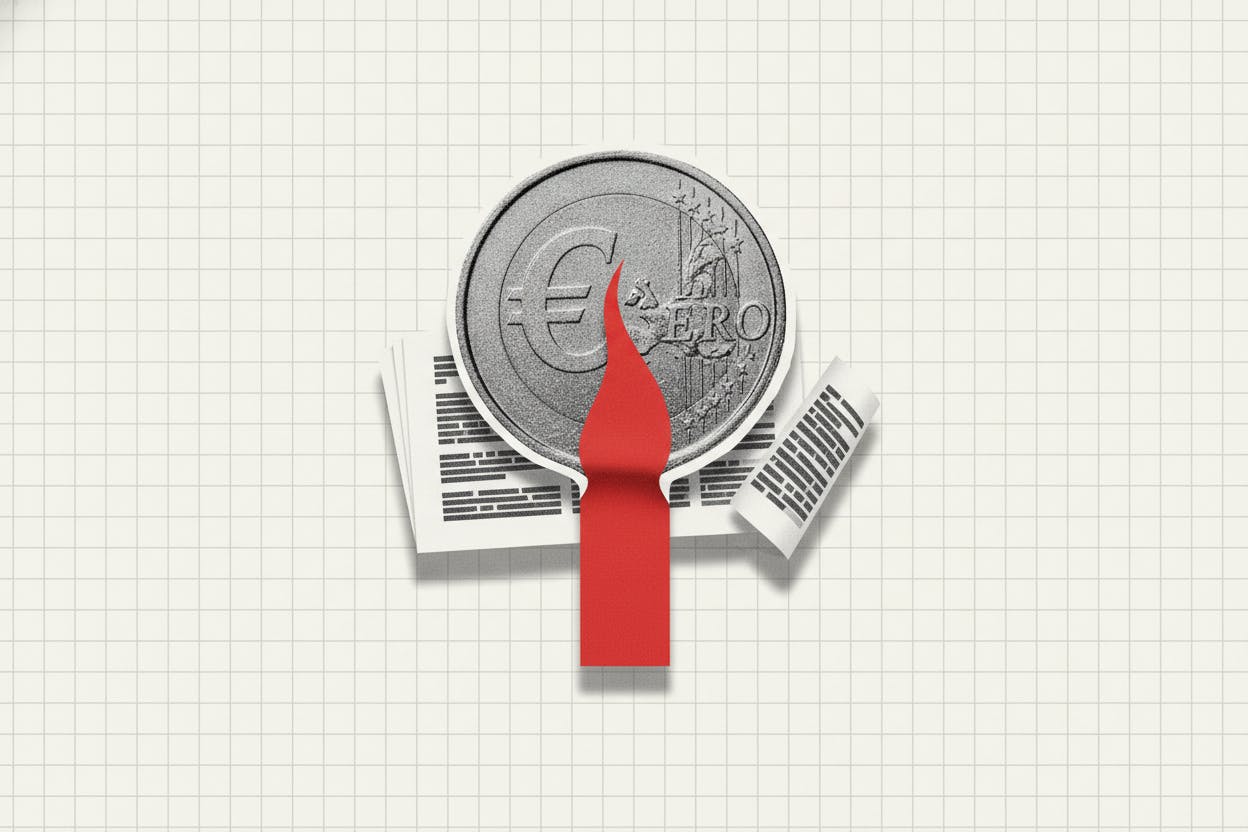
Eurozone inflation picked up in August, just as the European Central Bank (ECB) prepares to make its next interest rate decision on September 10. According to Eurostat's flash estimate, the annual inflation rate rose to 3.3% in August, up from 2.9% in July. The main driver was energy costs, which surged again after a period of relative calm.
Energy inflation jumped to 14.3% from 10.3% in July, reflecting higher oil and gas prices. This is a reminder that the region's battle against rising prices is not over, even as other parts of the economy show signs of cooling.
Core inflation eases, but underlying pressures remain
While the headline number grabbed attention, the underlying trend was more encouraging. Core inflation, which strips out volatile items like energy and food to give a clearer picture of day-to-day price momentum, eased to 2.4% from 2.5% in July. Services inflation also softened, suggesting that domestic price pressures are gradually fading.
Core inflation is closely watched by the ECB because it reflects how much of the price surge is becoming embedded in the economy, rather than just being a temporary blip from energy markets. A lower core reading gives policymakers some comfort that their previous rate hikes are working.
However, the rise in headline inflation is a concern. If households start to expect higher inflation to persist, they may demand higher wages, which could push prices up further. The ECB has repeatedly said it wants to avoid a wage-price spiral.
What this means for the ECB's decision
The ECB meets on September 10 to decide on interest rates. The mixed inflation data leaves the central bank in a tricky spot. On one hand, the easing of core inflation supports the case for cutting rates to support a sluggish economy. On the other hand, the rebound in energy prices and the overall inflation rate above the ECB's 2% target argue for caution.
Most economists expect the ECB to hold rates steady this month, but the decision is finely balanced. The central bank has already raised rates aggressively over the past year to tame inflation, and any move now could signal how confident it is that inflation is under control.
Investors will be watching the ECB's statement and President Christine Lagarde's press conference for clues about future moves. If the ECB signals that rate cuts are coming, that could boost stock markets and lower bond yields. If it sounds hawkish, the opposite could happen.
What it means for investors
For everyday investors, the inflation data has several implications. First, higher energy prices can eat into corporate profits, especially for companies that rely heavily on fuel or electricity. This could weigh on stock prices in sectors like airlines, logistics, and manufacturing.
Second, inflation affects bond yields. When inflation rises, investors demand higher yields to compensate for the loss of purchasing power. That pushes bond prices down. European stocks have already slid as oil and gas prices push bond yields higher, and this trend could continue if energy prices stay elevated.
Third, the ECB's response matters. If the central bank decides to keep rates higher for longer, that could slow economic growth and hurt riskier assets. Conversely, if it pivots to cutting rates, that could provide a boost to equities and real estate.
For those with savings in cash, higher inflation means the real value of money erodes faster. Even if interest rates on savings accounts rise, they may not keep pace with inflation, especially if energy costs continue to climb.
The situation is fluid. Europe's gas prices have hit multi-year highs, and bond yields are near 15-year peaks, reflecting inflation fears. Oil's surge to $91 has lifted long-term Treasury yields on inflation fears, and similar dynamics are at play in Europe.
Investors should keep an eye on energy markets and the ECB's language. The next few weeks could set the tone for markets into the autumn.
Bottom line
Eurozone inflation is proving stubborn, driven by energy costs. While core inflation is cooling, the headline number is above target and could complicate the ECB's plans. The September 10 decision will be a key moment for markets. For now, investors should brace for potential volatility as policymakers weigh the risks of high prices against the need to support growth.