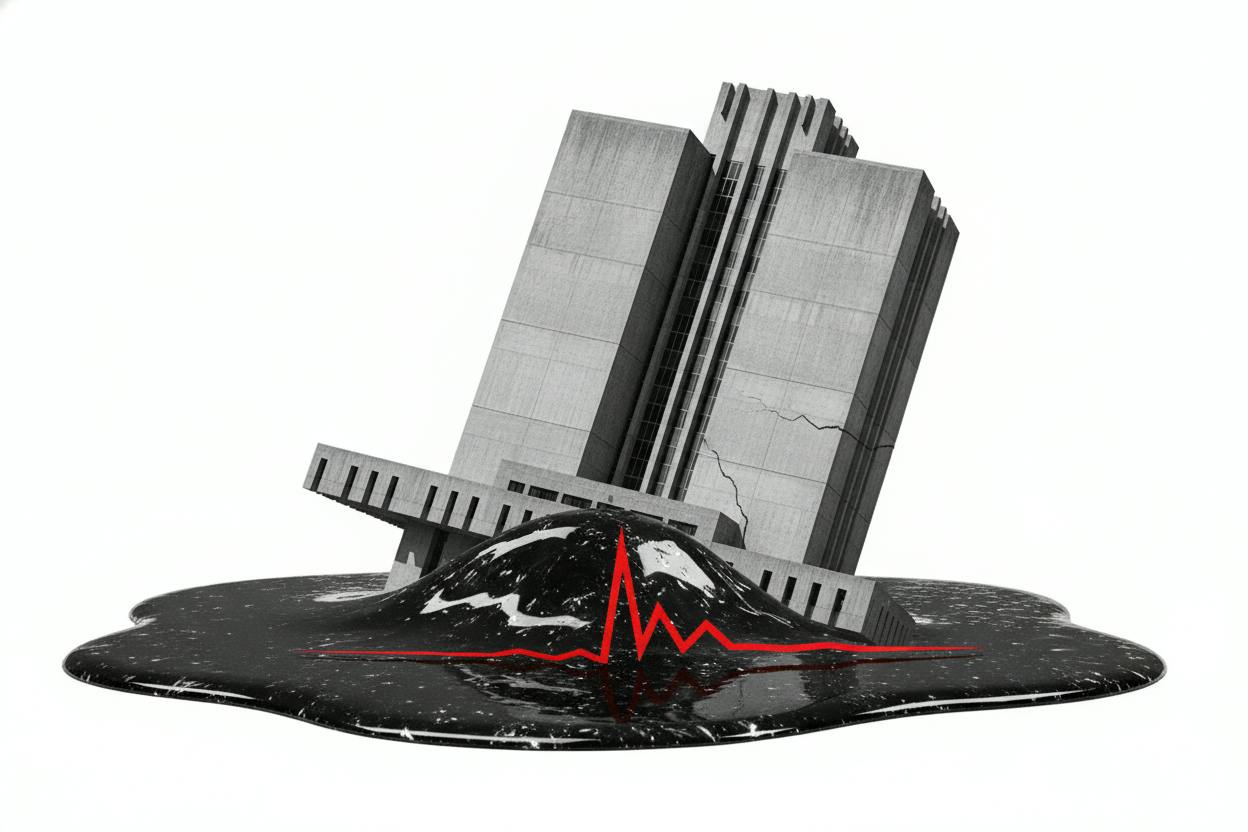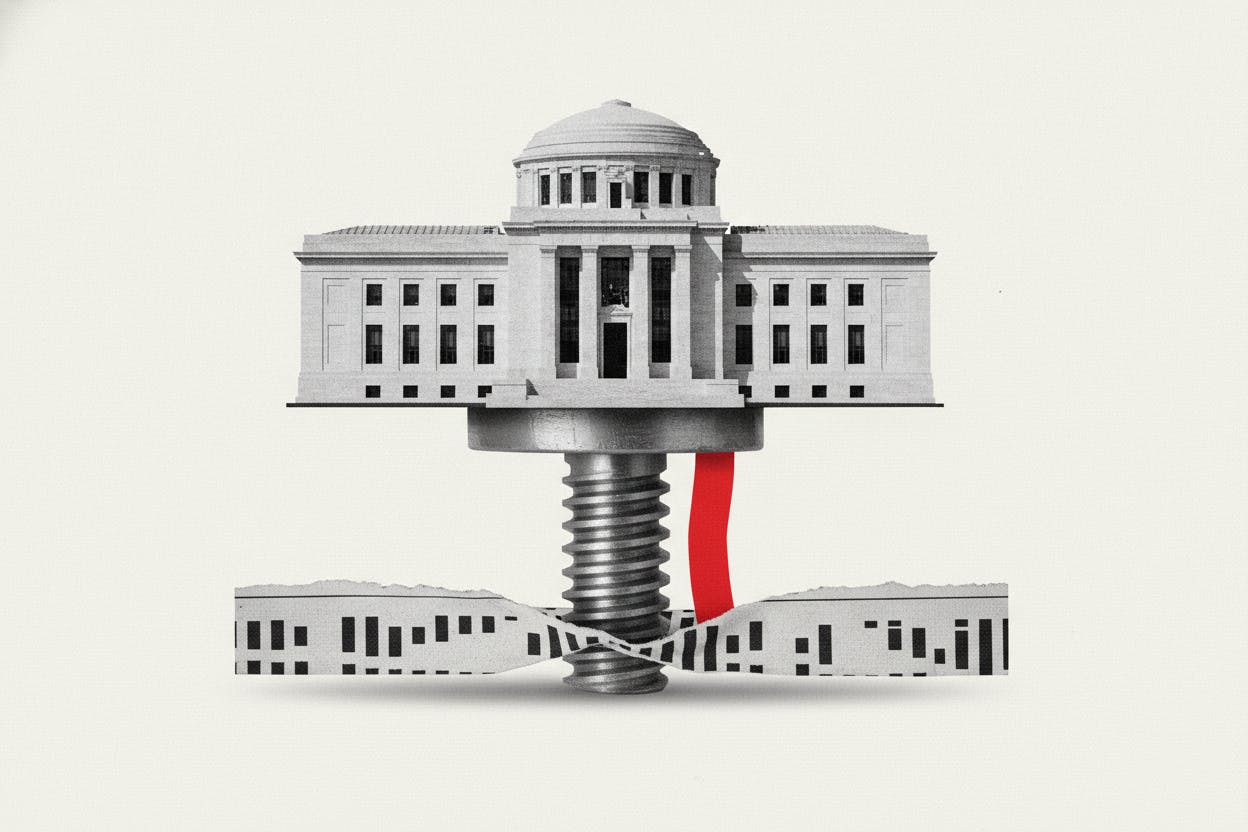
Federal Reserve Governor Michael Barr said Tuesday that the central bank may need to raise interest rates again if inflation doesn't show clearer signs of cooling. His remarks come as traders increasingly expect another quarter-point increase at the Fed's September meeting.
Speaking in Washington, DC, Barr stressed that the Fed can only hold rates steady if incoming data clearly show inflation drifting back toward its 2% target. He warned that price pressures could "persist and become widespread" after a long stretch above that goal.
Why inflation is still a problem
The Fed's preferred inflation gauge, the Personal Consumption Expenditures (PCE) index, rose 3.7% year over year in July. The core PCE measure, which strips out volatile food and energy prices, ran at 3.3%. Both remain well above the Fed's 2% target, even though they have come down from the peaks seen in 2022.
Barr's comments highlight a growing divide among policymakers. Some Fed officials believe the current level of rates is restrictive enough to bring inflation down without further action. Others, like Barr, worry that the economy remains too strong and that price pressures could re-accelerate if the Fed stops too soon.
The labor market has stayed resilient, with unemployment near historic lows and job gains continuing. That strength gives the Fed room to keep rates higher for longer, but it also means demand for goods and services remains robust, which can keep upward pressure on prices.
What the market is pricing
Following Barr's remarks, traders raised the odds of a quarter-point rate hike at the September 19-20 Federal Open Market Committee (FOMC) meeting to 66%, according to CME Group's FedWatch tool. That's a significant shift from earlier in the summer, when many investors believed the Fed was done raising rates.
The Fed has already lifted its benchmark rate to a range of 5.25% to 5.5%, the highest level in over two decades. If the Fed hikes again in September, it would mark the 12th increase since early 2022.
Higher rates tend to ripple through the economy: they make borrowing more expensive for mortgages, car loans, and business investment, and they can weigh on stock valuations, especially for growth companies that rely on future earnings.
What it means for investors
For everyday investors, the key takeaway is that the "higher for longer" scenario is still very much on the table. If the Fed does raise rates again, bond yields could climb further, which often pressures stocks. Sectors like technology and real estate, which are sensitive to interest rates, could see more volatility.
On the other hand, if inflation continues to ease, the Fed might be able to hold off on further hikes, which could provide some relief to markets. Investors should watch upcoming inflation reports, especially the next PCE reading and the monthly Consumer Price Index (CPI), for clues about the Fed's next move.
Barr's warning also underscores the importance of diversification. With uncertainty about the path of rates, having a mix of stocks, bonds, and other assets can help cushion against sudden market swings.
For those with savings accounts or certificates of deposit, higher rates are a silver lining: yields on cash have risen to levels not seen in years, offering a low-risk way to earn income.
As always, the Fed's decisions will depend on the data. Barr made clear that the central bank is not committed to a particular path, but will adjust based on what the economy shows. That means investors should stay flexible and keep an eye on the numbers.
In the meantime, the dollar has been edging higher as traders position for the possibility of more rate hikes, and European stocks have slipped as rising oil and gas prices push bond yields up. These moves reflect the global impact of Fed policy expectations.
Ultimately, Barr's message is a reminder that the fight against inflation is not over. While progress has been made, the Fed is prepared to act if needed. For investors, that means staying informed and being prepared for continued market fluctuations.