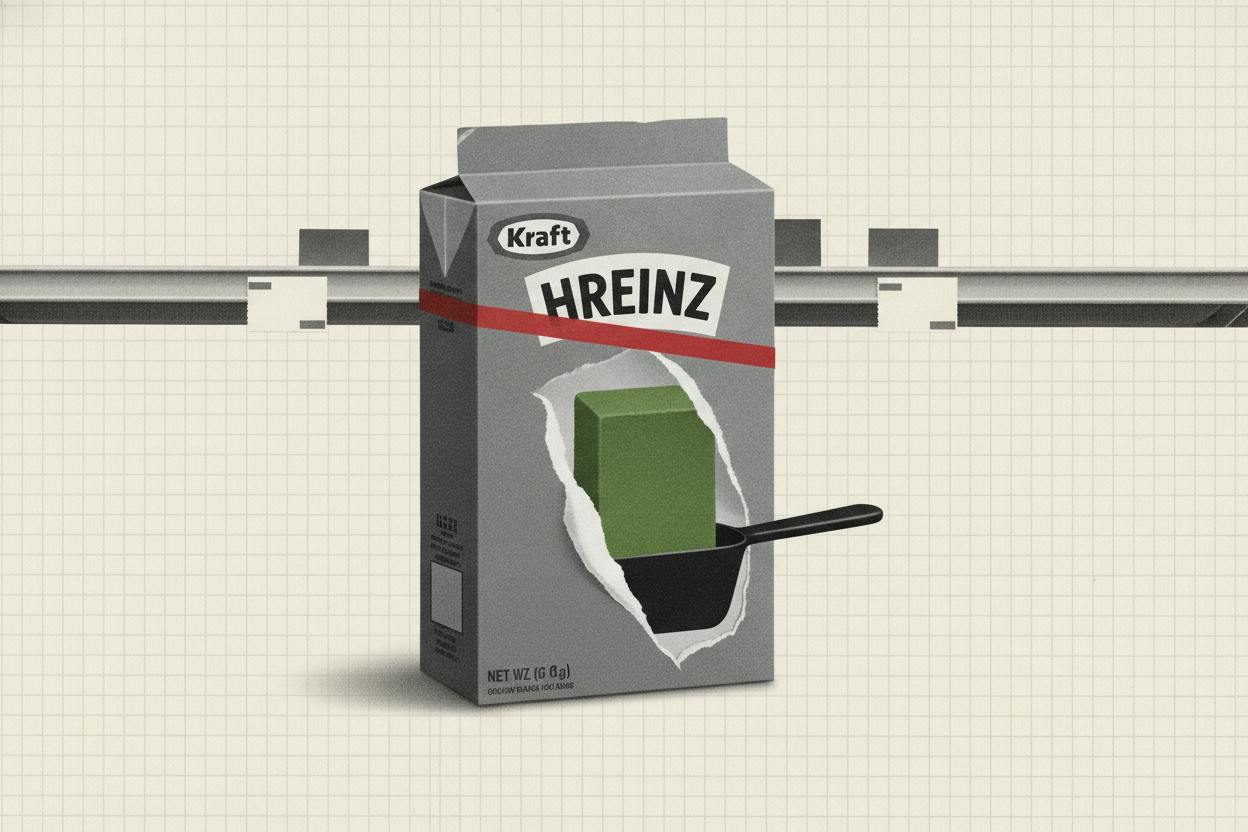
Kraft Heinz is making a big bet that it can win back shoppers by selling them healthier versions of its classic convenience foods. The packaged-food giant said it will spend $700 million this year on marketing and research and development, aiming to reverse years of market share losses with products like high-protein PowerMac & Cheese and a new cheesy ramen targeting the $2.7 billion U.S. ramen market.
The move comes under CEO Steve Cahillane, who took over in January and has shelved earlier talk of splitting the company. Instead, Cahillane is pushing to speed up product launches and get the company back on the front foot after a long stretch of playing catch-up.
Why Kraft Heinz is playing catch-up
Kraft Heinz, known for staples like ketchup, mac and cheese, and Oscar Mayer meats, has been losing ground for years as consumer tastes shifted. Shoppers increasingly want more protein and fiber, less sugar and salt, and smaller portions. The company says it has reformulated more than 1,000 recipes to meet those demands.
But the pressure isn't just coming from changing preferences. Inflation has kept many households price-sensitive, pushing them toward cheaper private-label brands that sit next to Kraft's products on the shelf. At the same time, the rise of GLP-1 weight-loss drugs is changing how people think about food, with a growing focus on foods that feel more filling per calorie.
Kraft Heinz is choosing to spend now rather than wait. It says marketing and R&D spending behind launches like PowerMac is up 35% this year, and it plans to keep that support elevated even though Cahillane expects the innovation pipeline to really pick up in 2027.
What the $700 million means for the numbers
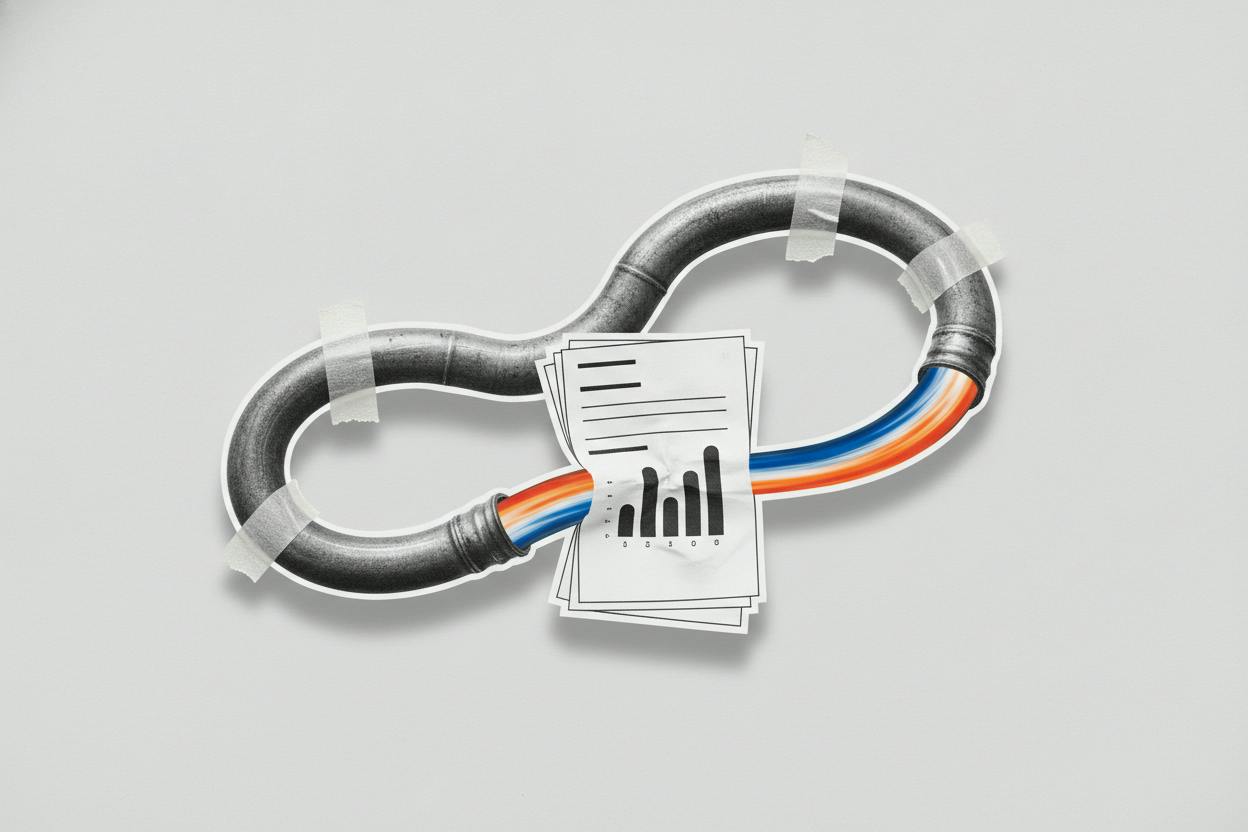
For investors, the key tension is timing. Marketing and R&D costs hit earnings immediately because they're booked as operating expenses. The payoff, by contrast, tends to arrive later—when retailers give a new product more shelf space and shoppers come back often enough to lift what the industry calls "velocity," or how fast items sell.
That mismatch can make near-term profit margins look softer even if the long-term strategy is sound. So the scoreboard before 2027 is less about higher prices and more about volumes: can Kraft Heinz slow the leak to private label and stabilize unit sales while it carries a structurally higher spend level?
If it can't, investors may have to get comfortable with a wider range of earnings outcomes than the stock price currently implies. Some analysts are already looking ahead, with RBC seeing Kraft Heinz returning to growth by 2027, but that's a forecast, not a guarantee.
What it means for your portfolio
For everyday investors, this is a reminder that a company's spending plans can be a double-edged sword. On one hand, investing in new products and marketing is how a mature packaged-food company tries to reignite growth. On the other, those costs come straight out of profits in the near term.
Kraft Heinz isn't alone in facing these pressures. The broader food industry is dealing with the same shift toward health and the same competition from cheaper store brands. How well Kraft Heinz executes will be a test of whether a legacy brand can adapt quickly enough.
Investors should watch a few things in the coming quarters: whether the company can hold or grow its market share, how its marketing spending translates into actual sales, and whether the innovation pipeline delivers products that stick. The cheesy ramen and PowerMac are early tests, but the real proof will come in 2027 and beyond.
For now, the $700 million is a clear signal that Kraft Heinz is willing to spend to stay relevant. Whether that spending pays off is a question that won't be answered overnight.