RBC Capital Markets has upgraded mining giant Rio Tinto to “sector perform,” signaling that the risks to iron ore prices are no longer as heavily skewed to the downside. The bank's move reflects a view that supply is tightening and that a potential cash release of more than $5 billion in the fourth quarter could provide a boost to the company's financial flexibility.
The upgrade comes as investors have been wary about iron ore's outlook, particularly with concerns about Chinese demand and global economic slowdowns. But RBC's analysts argue that the seaborne iron ore market is closer to its cost floor than many fear, which limits how much further prices might fall.
What's behind the upgrade?
RBC's reasoning is not based on a sudden rebound in Chinese construction activity, which has been a major driver of iron ore demand for years. Instead, the bank points to supply-side dynamics. While volumes are near record levels, RBC highlights production shut-ins in Brazil and among smaller exporters in Chile and West Africa. These disruptions could tighten the market and support prices.
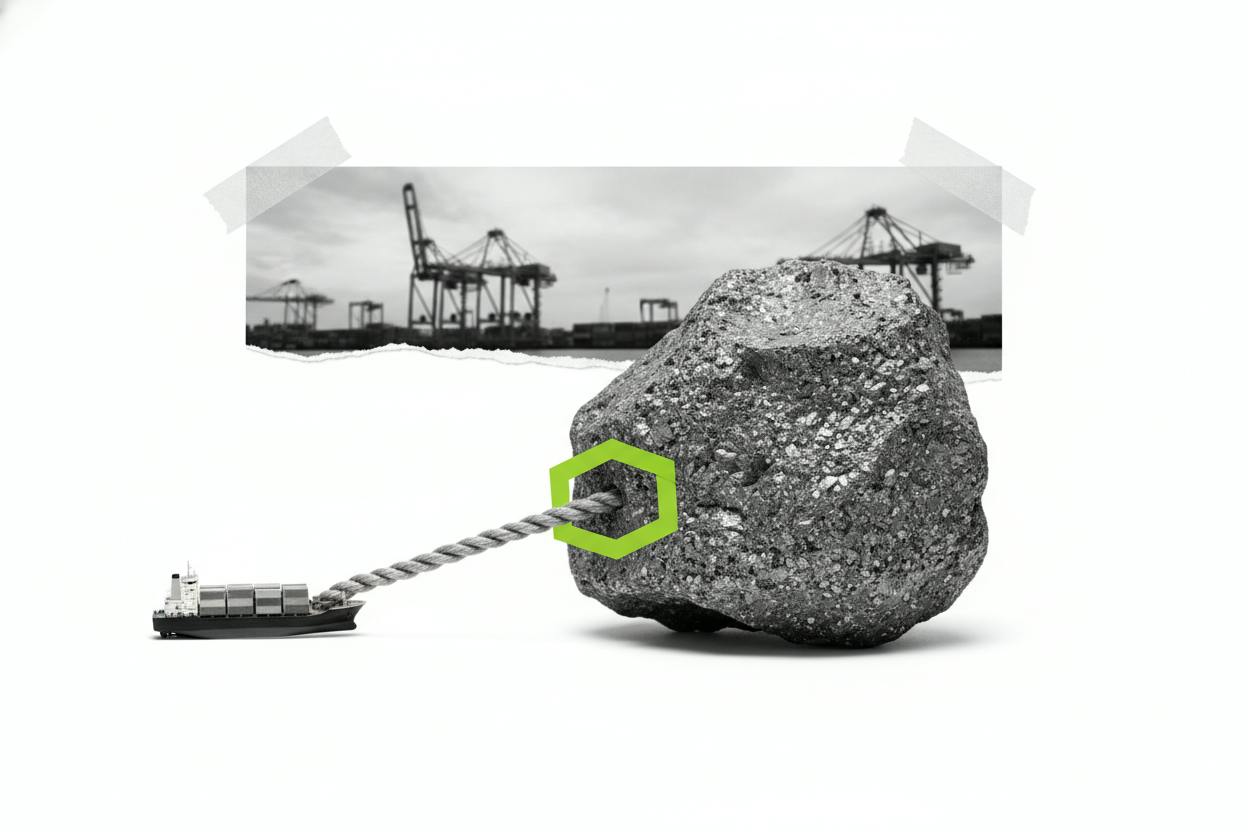
Additionally, shipping costs have been climbing, which adds to the cost of delivering iron ore to buyers. Higher freight rates effectively raise the break-even cost for many producers, meaning that lower-quality or higher-cost operations could be forced to cut output. This, in turn, could reduce the overall supply and put a floor under prices.
The bank set a price target of £65 for Rio Tinto's shares, which suggests that the stock is fairly valued at current levels, but with less downside risk than previously thought.
What does this mean for Rio Tinto?
Rio Tinto is one of the world's largest iron ore producers, with operations in Australia and Brazil. The company's earnings are highly sensitive to iron ore prices, so any stabilization in the commodity is positive for its revenue and cash flow.
The potential $5 billion-plus cash release in the fourth quarter is likely tied to working capital adjustments, tax refunds, or the sale of assets. Such a cash influx would strengthen Rio Tinto's balance sheet and could support shareholder returns through dividends or buybacks, which are important to many investors in the mining sector.
For everyday investors, the upgrade is a signal that the worst may be over for iron ore prices, at least in the near term. However, it's important to note that “sector perform” is not a ringing endorsement to buy; it simply means the stock is expected to perform in line with its sector peers.
Broader market context
The mining sector has been under pressure this year as global growth fears and high interest rates weighed on commodity prices. Iron ore, in particular, has been volatile due to China's property market struggles and its zero-COVID policy disruptions. But recent data suggests that China's manufacturing activity is stabilizing, and infrastructure spending remains a key government priority.
RBC's upgrade also comes amid a mixed picture for global services and manufacturing. For instance, Germany's services sector rebounded in September, while Canada's services sector contracted for a fourth month. These divergent trends highlight the uneven global recovery.
In Asia, South Korea's KOSPI slipped as investors awaited Samsung earnings for clues on the chip sector, which is another bellwether for global trade. Meanwhile, copper prices rose on fading Federal Reserve hike bets and strike risks in Chile, showing that metals markets are reacting to a mix of monetary policy and supply disruptions.
What to watch next
Investors will be watching Rio Tinto's fourth-quarter production report and any updates on the potential cash release. They will also keep an eye on iron ore prices, which are influenced by Chinese steel demand, port inventories, and any further supply disruptions in Brazil or West Africa.
For those holding Rio Tinto shares, the upgrade provides some reassurance, but it's not a guarantee of gains. The company's fortunes remain tied to the global economy and the whims of the iron ore market. As always, diversification is key, and investors should consider how a mining stock fits into their overall portfolio.
RBC's move is a reminder that even in a downcycle, there can be reasons for optimism. But it's also a lesson in nuance: “sector perform” is a far cry from “outperform,” and the risks that plagued iron ore earlier this year haven't disappeared entirely.