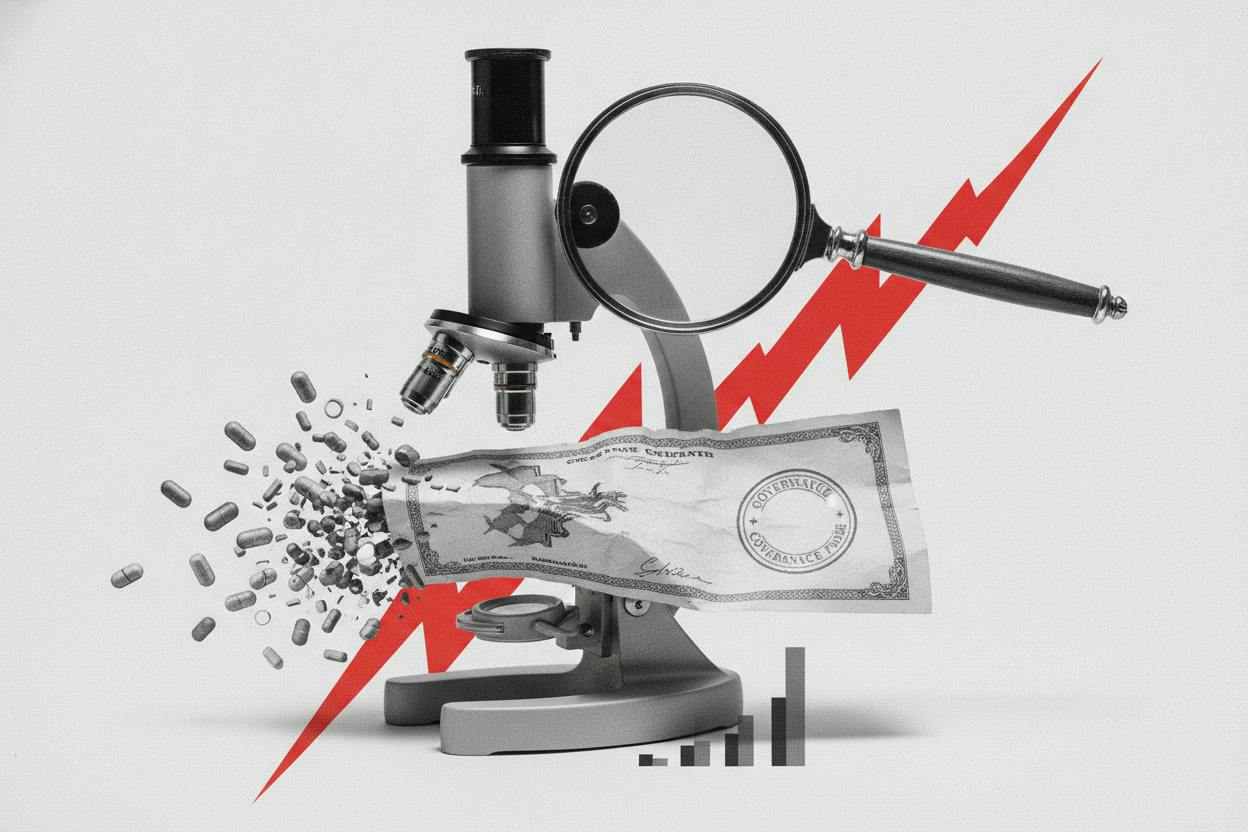
Kratos Defense & Security Solutions got a vote of confidence from RBC Capital Markets this week, with the bank noting that the defense supplier's third-quarter earnings before interest, taxes, depreciation, and amortization (EBITDA) came in ahead of expectations. But the upbeat assessment came with a caveat: a hefty working-capital outlay and a delivery schedule that leans heavily toward the back half of 2027 are keeping free cash flow firmly in the spotlight.
For everyday investors, the distinction matters. EBITDA is a measure of operating profitability that strips out interest, taxes, and non-cash charges like depreciation. It's a useful gauge of how a company's core business is performing. Free cash flow, on the other hand, is the cash a company actually generates after paying for capital expenditures and changes in working capital—money that can be used to pay down debt, fund new projects, or return to shareholders. A company can post strong EBITDA while still burning cash, and that's the tension RBC is highlighting.
What's driving the cash crunch?
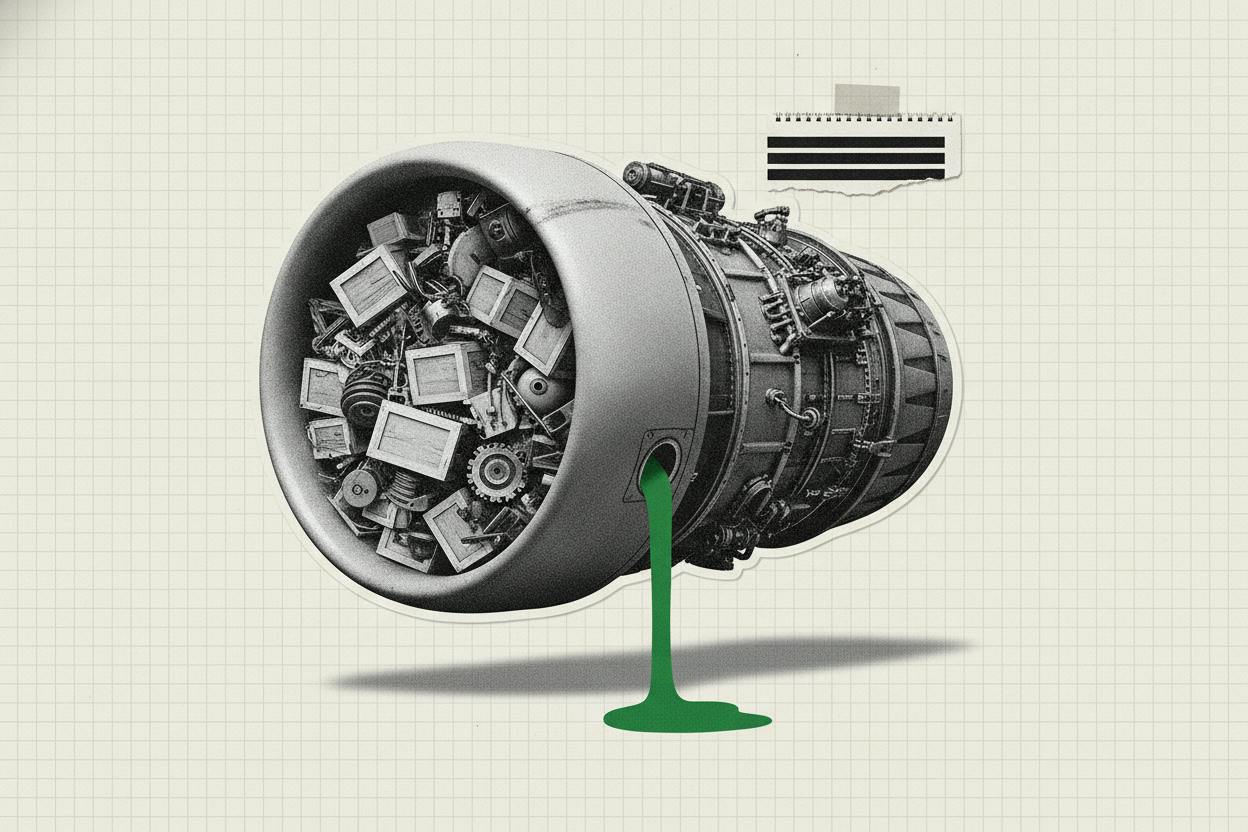
According to RBC, Kratos is facing a $130-140 million working-capital outlay. Working capital is the money tied up in day-to-day operations—things like inventory, accounts receivable, and accounts payable. For a defense contractor ramping up production of jet engines, that often means buying raw materials and components well before the finished products are delivered and paid for. The result is a temporary drain on cash, even if the underlying business is healthy.
The timing of Kratos' jet engine deliveries is also a factor. RBC points to a back-half-heavy 2027 schedule, meaning a significant portion of the company's expected engine deliveries—and the associated revenue and cash inflows—are concentrated in the latter part of that year. That front-loads the cash outlays now while pushing the payoffs further out, which can make free cash flow look weak in the near term even if the long-term picture is solid.
Kratos is known for its work in unmanned systems, satellite communications, and, increasingly, jet engines—particularly for drones and other uncrewed aircraft. The company has been investing heavily in this area, betting that demand for affordable, high-performance engines will grow as militaries around the world expand their use of drones. That bet requires significant upfront spending, and RBC's note suggests investors should be prepared for the financial strain that comes with it.
What it means for investors
For shareholders, the key question is whether Kratos can convert its EBITDA beat into actual cash generation over time. The working-capital build and the 2027 delivery schedule are not necessarily red flags—they're often part of the normal cycle for defense contractors scaling up production. But they do mean that near-term free cash flow could be under pressure, and that's something investors should watch closely.
RBC's commentary comes at a time when defense spending is a hot topic, with geopolitical tensions and rising military budgets in many countries. Kratos, with its focus on drones and jet engines, is well-positioned to benefit from these trends. However, the company's ability to manage its cash flow while pursuing growth will be critical. If the jet engine push pays off, the back-half-heavy 2027 schedule could deliver a significant payoff. If not, the working-capital outlay could weigh on the stock.
Investors should also keep an eye on broader economic signals that could influence defense spending and the cost of capital. For instance, consumer sentiment ticked up in November as inflation expectations cooled, which could affect the Federal Reserve's rate path and, in turn, the cost of financing for companies like Kratos. Similarly, inflation expectations holding steady suggest the Fed may not need to tighten further, which would be a positive for growth-oriented defense stocks.
On the international front, Mexico's inflation acceleration and Canada's stalling GDP are reminders that global economic conditions remain uneven, which could affect defense budgets and supply chains. For Kratos, a stable global economy is generally supportive, but any major disruption could impact its production timeline.
Ultimately, RBC's note is a reminder that earnings beats don't always translate into cash in the bank. For Kratos, the jet engine push is a long-term bet that requires patience. Investors who believe in the drone and engine story may be willing to look past the near-term cash flow dip. But those who prefer companies that generate cash consistently might want to wait for clearer evidence that the working-capital outlay is paying off.
As always, it's important to remember that this is not a recommendation to buy or sell Kratos stock. The company's fundamentals, valuation, and your own financial goals should guide any investment decision. But understanding the difference between EBITDA and free cash flow—and how a company's growth plans affect its cash position—is a crucial part of evaluating any stock.