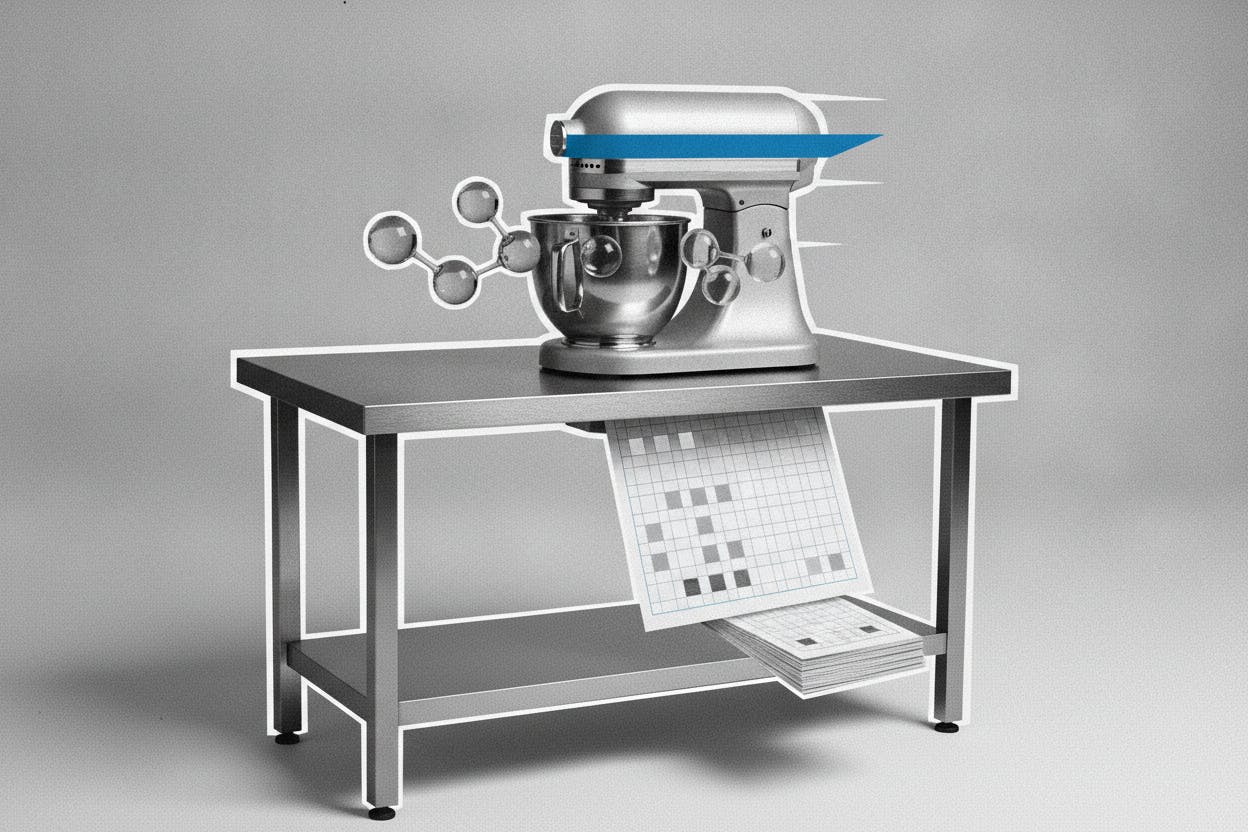
Two of the world's biggest consumer goods companies are turning to artificial intelligence to speed up how they create new products. L'Oréal and Mondelez International have told Reuters that AI is helping them move from an initial concept to a finished product in weeks rather than months. L'Oréal says the technology allows it to develop products four times faster than traditional methods.
How AI Is Changing Product Development
For decades, creating a new shampoo, lipstick, or snack involved lengthy cycles of lab work, consumer testing, and reformulation. AI is now being used to analyze vast amounts of data on ingredients, consumer preferences, and market trends, generating formulas and packaging ideas that humans can then refine.
Executives at both companies said the technology is not replacing scientists but rather augmenting their work. AI can quickly simulate how different ingredients might interact or how a product might perform in various conditions, reducing the need for physical trial and error. This allows researchers to focus on the most promising concepts.
L'Oréal, which also recently targeted Gen Z with affordable NYX body mists, is applying AI across its portfolio of cosmetics and hair care. Mondelez, the maker of Oreo cookies and Cadbury chocolate, is using it to develop new flavors and textures for snacks.
What It Means for Investors
For everyday investors, faster product development can translate into several financial benefits. Companies that can bring new items to market quickly are often better positioned to respond to changing consumer tastes and fend off competitors. This can lead to higher sales growth and stronger market share.
Shorter development cycles also tend to lower research and development costs over time. Instead of spending months or years on a single product, companies can test more ideas and drop those that don't work early, wasting less money. Improved efficiency can boost profit margins, a key metric investors watch closely.
However, investors should also consider the risks. AI-driven development still requires significant upfront investment in technology and talent. If the algorithms are trained on flawed data, they could produce products that miss the mark with consumers. And while speed is valuable, it does not guarantee that every product will be a hit.
The broader trend of AI adoption in consumer goods is part of a larger shift across industries. Companies like Thomson Reuters are seeing real demand for legal AI, while Reconova Technologies is raising funds for AI R&D. Even in niche areas like edge AI chips, companies are targeting mass production.
Key Takeaways for Everyday Investors
- Faster innovation: AI can compress product development timelines, potentially leading to more frequent product launches and better alignment with consumer trends.
- Cost efficiency: Reducing the time and resources spent on R&D can improve profitability over the long term.
- Competitive edge: Companies that adopt AI effectively may gain an advantage over slower-moving rivals.
- Watch for execution: The success of AI initiatives depends on how well companies integrate the technology and manage the associated risks.
L'Oréal and Mondelez are not alone in this push. Across the consumer goods sector, companies are exploring how AI can streamline everything from supply chains to marketing. For investors, keeping an eye on which firms are using AI to genuinely improve their operations—rather than just talking about it—could be a useful way to identify potential winners.
As always, it is important to look at the full picture. Faster product development is a positive signal, but it should be weighed alongside other factors such as overall financial health, market position, and management's track record.