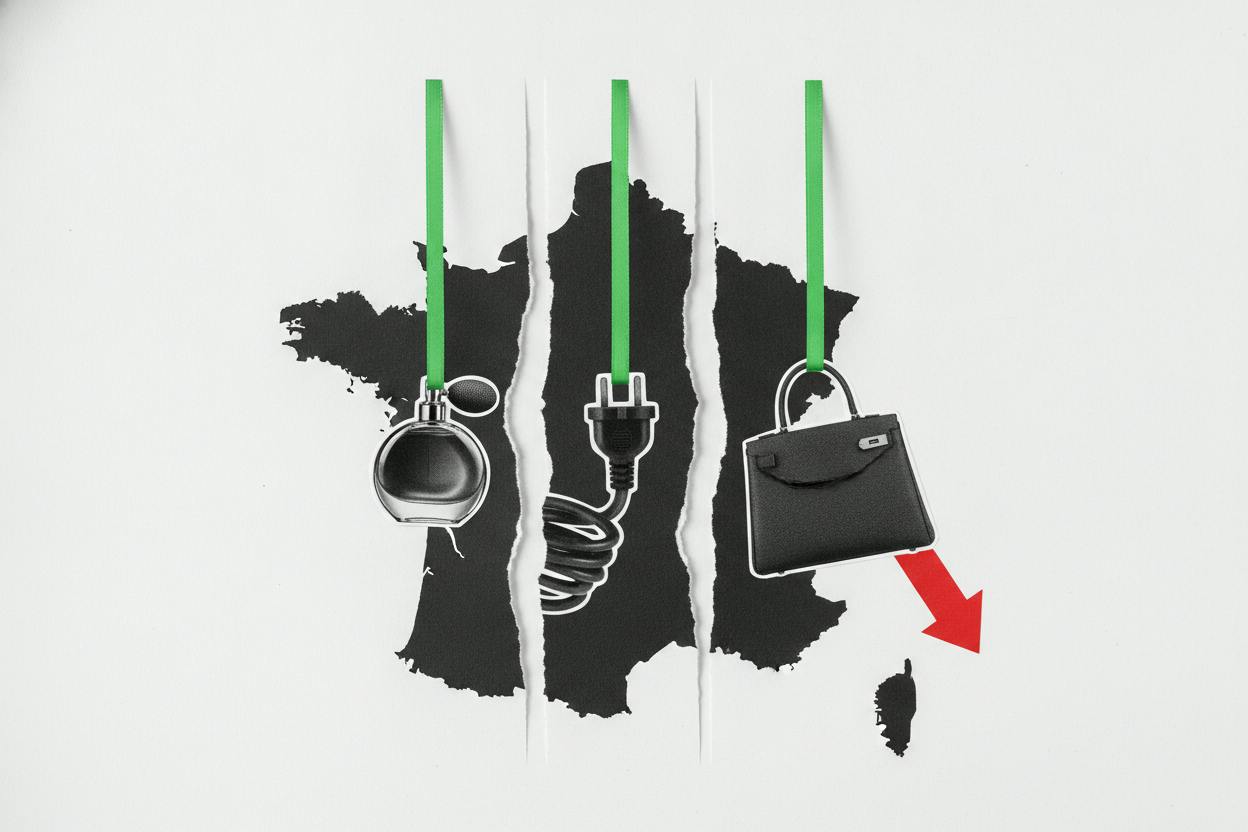
France's third-quarter earnings season is painting a picture of two very different corporate worlds. On one side, consumer giant L'Oreal and electrical distributor Rexel are beating expectations and lifting their long-term forecasts. On the other, luxury group Kering is warning that its star brand, Gucci, is still losing steam.
The contrast underscores how the health of the French economy—and the broader European market—is far from uniform. For everyday investors, it's a reminder that company-specific fundamentals often matter more than the overall economic mood.
The winners: L'Oreal and Rexel
L'Oreal, the world's largest cosmetics company, reported quarterly results that topped analyst forecasts. The company also raised its 2026 outlook, signaling confidence in its ability to grow despite a challenging consumer environment. L'Oreal's strength has been particularly notable in its luxury division, where fragrances have been a standout performer, as we noted in L'Oreal's luxury sales beat.
Rexel, a major distributor of electrical equipment, also beat expectations and lifted its 2026 guidance. The company is benefiting from two powerful tailwinds: the boom in data center construction and the broader push toward electrification. As we highlighted in Rexel's sales outlook, demand for electrical components is surging as businesses and governments invest in energy infrastructure.
Both companies are examples of how firms with strong pricing power or exposure to structural growth trends can thrive even when the macroeconomic backdrop is uncertain.
The laggard: Kering and Gucci's struggles
On the other side of the ledger, Kering—the luxury group behind Gucci, Saint Laurent, and Bottega Veneta—flagged that Gucci is still losing momentum. The brand, which accounts for a large share of Kering's revenue, has been struggling with softer demand, particularly in key markets like China.
Luxury goods are highly sensitive to economic cycles. When consumers feel less confident about their finances, they tend to cut back on high-ticket discretionary items. Gucci's slowdown is a reminder that even iconic brands are not immune to shifts in consumer sentiment.
Kering's warning is a cautionary tale for investors who assume that all luxury stocks move in tandem. While some luxury names have shown resilience, others are clearly facing headwinds.
What this means for investors
The divergence in French earnings is a microcosm of the broader European market. As we noted in Europe's earnings beat, headline numbers can be flattered by a few strong sectors, masking weakness elsewhere.
For investors, the key takeaway is to look beyond the aggregate earnings figures and focus on individual companies' fundamentals. A company that beats expectations and raises guidance is signaling that its business is gaining traction. Conversely, a company that warns of slowing momentum may be facing challenges that could persist.
It's also worth noting that raising a 2026 outlook is a bold statement. It suggests that management has high confidence in the durability of their growth drivers. For L'Oreal, that likely reflects the resilience of beauty spending even in tough times. For Rexel, it points to the long-term structural demand for electrification.
On the flip side, Kering's warning about Gucci suggests that the luxury sector's recovery may be uneven. Investors should watch whether the brand can stabilize in the coming quarters, as any turnaround would likely take time.
Looking ahead
The French earnings season is still unfolding, and more results are due in the coming weeks. Investors will be watching to see whether the pattern holds: companies with strong competitive positions and exposure to structural trends beating expectations, while those reliant on discretionary consumer spending continue to struggle.
For those with a diversified portfolio, the lesson is to avoid painting all French or European stocks with the same brush. The gap between L'Oreal and Rexel on one hand, and Kering on the other, is a clear illustration that stock picking matters.
As always, past performance is not a guarantee of future results. But the current earnings season offers a useful snapshot of which companies are navigating the economic environment successfully—and which are not.