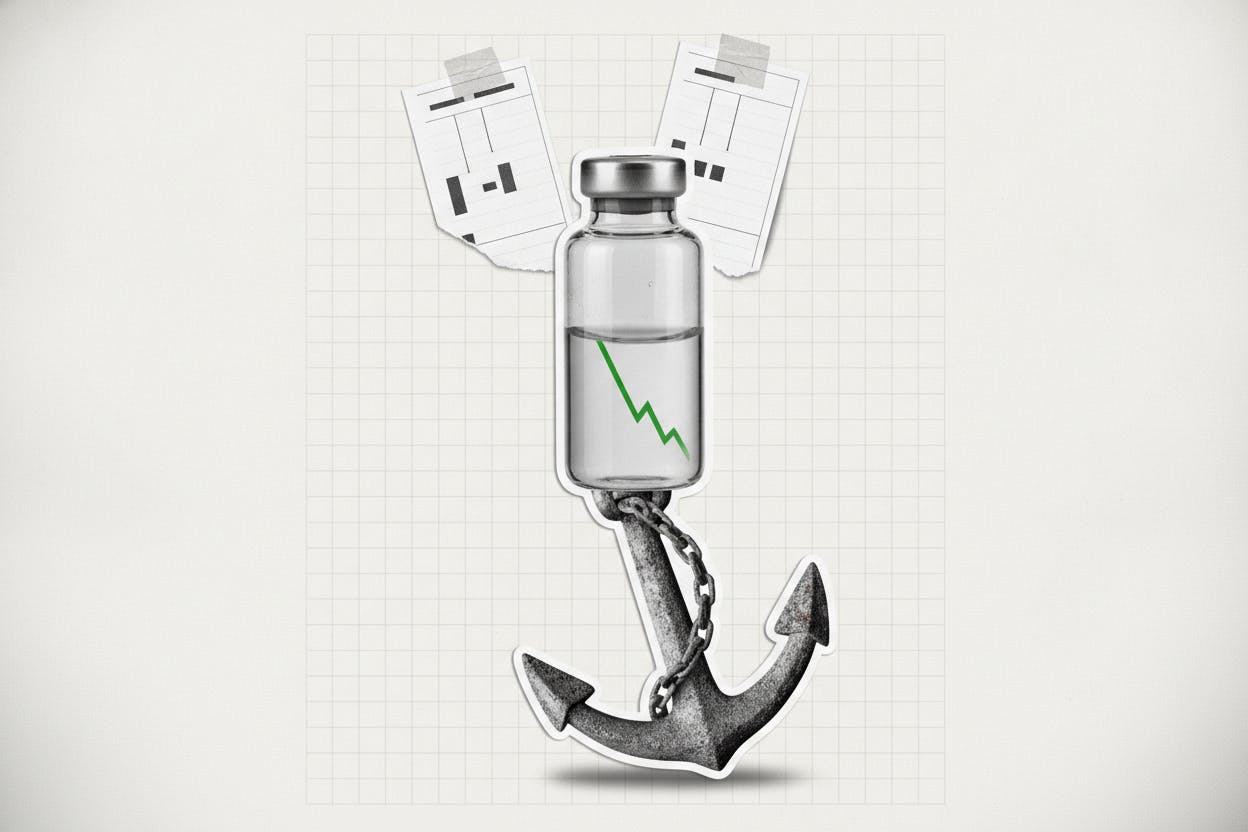
Two biotech companies, Latigo Biotherapeutics and BlossomHill Therapeutics, are launching initial public offerings (IPOs) on the Nasdaq, testing whether investors are ready to fund drug developers again after a prolonged dry spell. The listings come as the broader market shows signs of reopening for biotech, but lingering inflation and interest rate concerns could still slam the window shut.
What's happening
Latigo and BlossomHill are both aiming to raise capital by selling shares to the public for the first time. For biotech companies, IPOs are a critical funding source because most drug developers have no revenue yet and rely on investor money to finance years of research and clinical trials. A successful IPO can provide the cash needed to advance a drug candidate, while a failed one can force a company to delay programs or seek alternative financing.
The pair's debut comes as biotech listings start to thaw after a long drought, helped by investors' appetite for growth stories returning, Reuters reported. After a brutal stretch in which many biotech stocks fell sharply and new listings dried up, the market has shown signs of life in recent months. But the window is still fragile: if inflation stays sticky, interest rates could stay “higher for longer,” which makes future profits worth less today and raises the bar for risky, cash-burning companies.
Why biotech IPOs matter
Biotech IPOs are often seen as a barometer for risk appetite in the stock market. These companies typically have no products on the market and may be years away from generating revenue, so their valuations depend heavily on the promise of future blockbuster drugs. When investors are optimistic, they are willing to pay up for that promise. When they are cautious, they demand more proof and lower prices.
The recent drought in biotech listings was driven by a combination of rising interest rates, which made future cash flows less valuable, and a broader pullback from speculative investments. Many biotech companies that went public during the 2020-2021 boom saw their shares tumble, leaving investors wary of new offerings. Now, with the market showing signs of recovery, Latigo and BlossomHill are testing whether that caution has faded.
Both companies are developing therapies in areas with significant unmet medical needs, which could attract investors looking for high-growth opportunities. However, the path to approval is long and uncertain, and many biotech candidates fail in clinical trials. For everyday investors, buying into a biotech IPO is a high-risk bet, and it's important to understand that most of these companies will never bring a drug to market.
What it means for investors
For the broader market, the success or failure of these IPOs could signal how much appetite there is for riskier assets. If Latigo and BlossomHill price well and their shares hold up in early trading, it could encourage more biotech companies to pursue listings, potentially opening the door for a wave of new offerings. If they stumble, it could reinforce caution and keep the IPO window shut for a while longer.
The timing is also notable because it comes amid a mixed economic backdrop. Recent data has shown that inflation, while cooling, remains above the Federal Reserve's target, and the central bank has kept interest rates steady as it waits for more evidence that price pressures are under control. The bond market has sent mixed signals as the Fed holds rates steady, and investors are watching closely for any hints about the path ahead.
Higher interest rates are particularly challenging for biotech companies because they increase the cost of capital and reduce the present value of future earnings. A drug that might generate billions in revenue a decade from now is worth less today when rates are high. That dynamic has made investors more selective, favoring companies with strong balance sheets, promising data, and clear paths to commercialization.
For those considering investing in biotech IPOs, it's worth remembering that these are speculative bets. Unlike established companies with steady earnings, biotech firms often burn through cash quickly and depend on continued funding from investors. The potential rewards can be substantial, but so can the losses. It's also important to diversify and not put too much money into any single high-risk stock.
The broader market has been resilient in recent months, with tech stocks leading gains and the Nasdaq hitting new highs. Amazon's cloud surge lifted Nasdaq futures recently, while Apple slipped on supply concerns, showing that sentiment can shift quickly. If the IPO market continues to reopen, it could provide a boost to the overall economy by giving companies access to capital for growth and innovation.
However, the path forward is not guaranteed. The July jobs report could shake markets as hiring cools and inflation lingers, and any surprise in the data could alter the Fed's plans. If rates stay higher for longer, the biotech rally could stall, and the IPO window could close again.
For now, all eyes are on Latigo and BlossomHill. Their debut will provide a real-time test of investor confidence in the biotech sector and the broader market's willingness to take on risk. Whether they succeed or fail, the outcome will offer valuable clues about the direction of the IPO market in the months ahead.