Latin American markets traded cautiously on Tuesday, with most benchmarks flat as a stronger dollar and expectations that the Federal Reserve will keep interest rates higher for longer dampened risk appetite. The cautious tone persisted even as geopolitical tensions between Iran and the United States appeared to ease, removing one near-term worry for global investors.
Geopolitical Relief, But Macro Headwinds Persist
Reports that Iranian and US technical teams may meet in Doha to discuss an interim arrangement helped calm nerves after weeks of heightened Middle East tensions. That development contributed to a broader easing of risk aversion across global markets, with UK stocks dipping and Swiss stocks edging higher as the Strait of Hormuz concerns subsided.
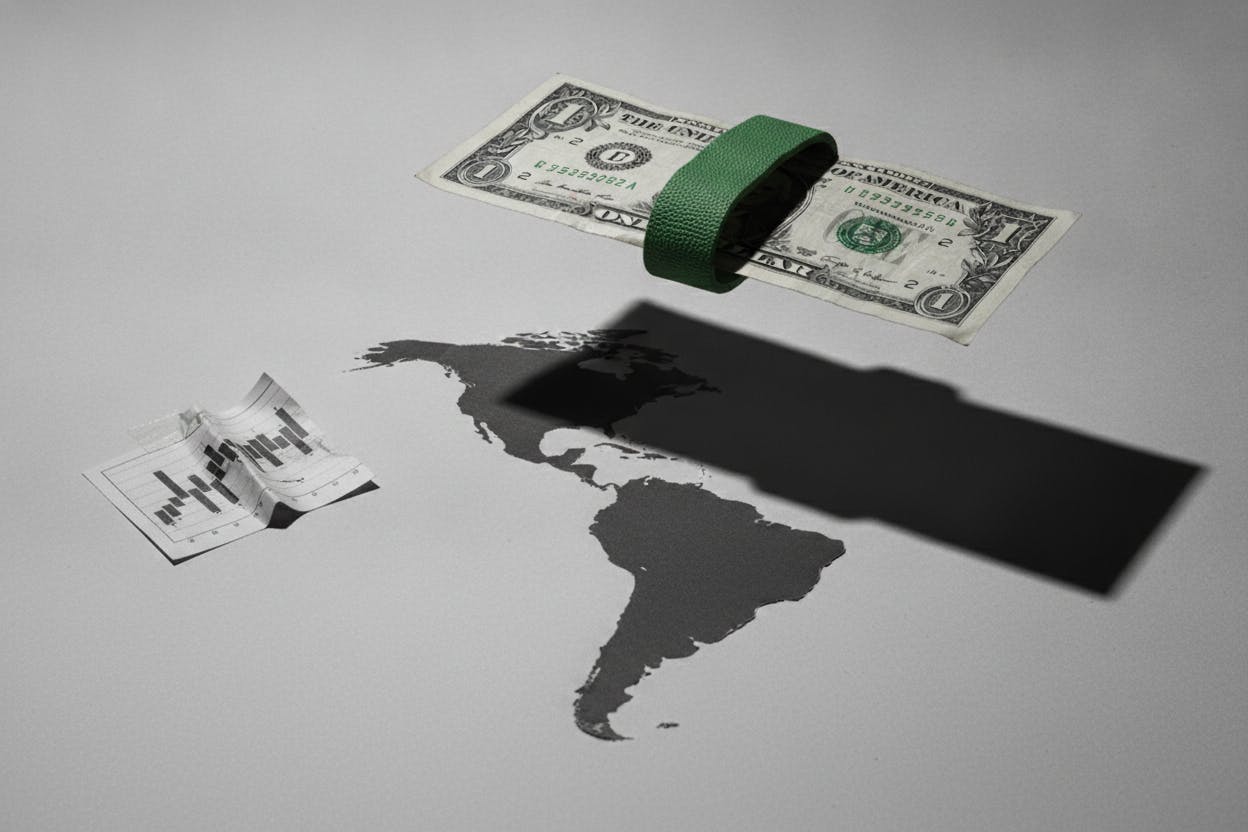
However, for Latin America, the bigger force remained macroeconomic. The US dollar was on track for its biggest monthly gain in nearly a year, signaling that markets are pricing in solid US economic growth and interest rates that may stay elevated. That dynamic matters because global investors tend to favor dollar-denominated assets when US yields look attractive, often pulling capital away from emerging markets like those in Latin America.
What Higher-for-Longer Fed Rates Mean for Latin America
The Federal Reserve has signaled it is in no rush to cut interest rates, with strong US jobs data and sticky inflation keeping policymakers cautious. When US rates stay high, it becomes more expensive for emerging market governments and companies to service dollar-denominated debt, and it reduces the appeal of higher-yielding local currency bonds.
This "higher-for-longer" scenario has been a recurring theme for Latin American markets throughout 2024. While some regional central banks, like Brazil's, have already begun cutting rates, the gap between local and US yields has narrowed, making it harder for those currencies to strengthen. The stronger dollar also pressures commodity prices, which are a key export for many Latin American economies.
For investors, the key takeaway is that Latin American assets remain sensitive to US interest rate expectations. Any shift in Fed rhetoric or US economic data could trigger a re-rating, but for now, the cautious stance reflects a market waiting for clearer signals.
Bolivia's Exchange Rate Shift: A Regional Wild Card
In a notable regional development, Bolivia moved to a more flexible exchange rate regime. The country had long maintained a tightly managed currency peg, but pressure on its foreign reserves and a widening trade deficit forced policymakers to adjust. While the move is aimed at restoring competitiveness and attracting foreign investment, it also introduces short-term uncertainty.
Flexible exchange rates can help countries adjust to external shocks, but they also mean more volatility for investors. Bolivia's shift is a reminder that many emerging markets are grappling with the dual pressures of a strong dollar and slowing global demand. Other countries in the region may face similar choices if the dollar continues to strengthen.
What It Means for Everyday Investors
For ordinary investors with exposure to Latin American stocks, bonds, or currencies, the current environment calls for patience. The strong dollar and elevated US rates are headwinds that are unlikely to fade quickly. However, the easing of Middle East tensions removes one layer of geopolitical risk, which could support a modest recovery if other factors align.
Investors should also watch for any signs that the Fed might pivot. If US economic data softens, rate cut expectations could return, potentially boosting emerging markets. In the meantime, the cautious tone in Latin America reflects a market that is pricing in a lot of uncertainty—from geopolitics to monetary policy.
As always, diversification remains key. While Latin American markets offer growth potential, they are also more sensitive to global macro forces than developed markets. Keeping a long-term perspective and avoiding overconcentration in any single region can help manage the risks.
Looking Ahead
Markets will be watching for further developments in US-Iran talks, as well as upcoming US economic data that could influence Fed policy. Any signs of a slowdown in the US economy could shift the narrative, but for now, the dollar's strength and the "higher-for-longer" rate outlook are likely to keep Latin American markets in a holding pattern.
Bolivia's exchange rate move will also be monitored closely by investors and other regional central banks, as it could signal a broader trend toward more flexible currency regimes in the face of global pressures.