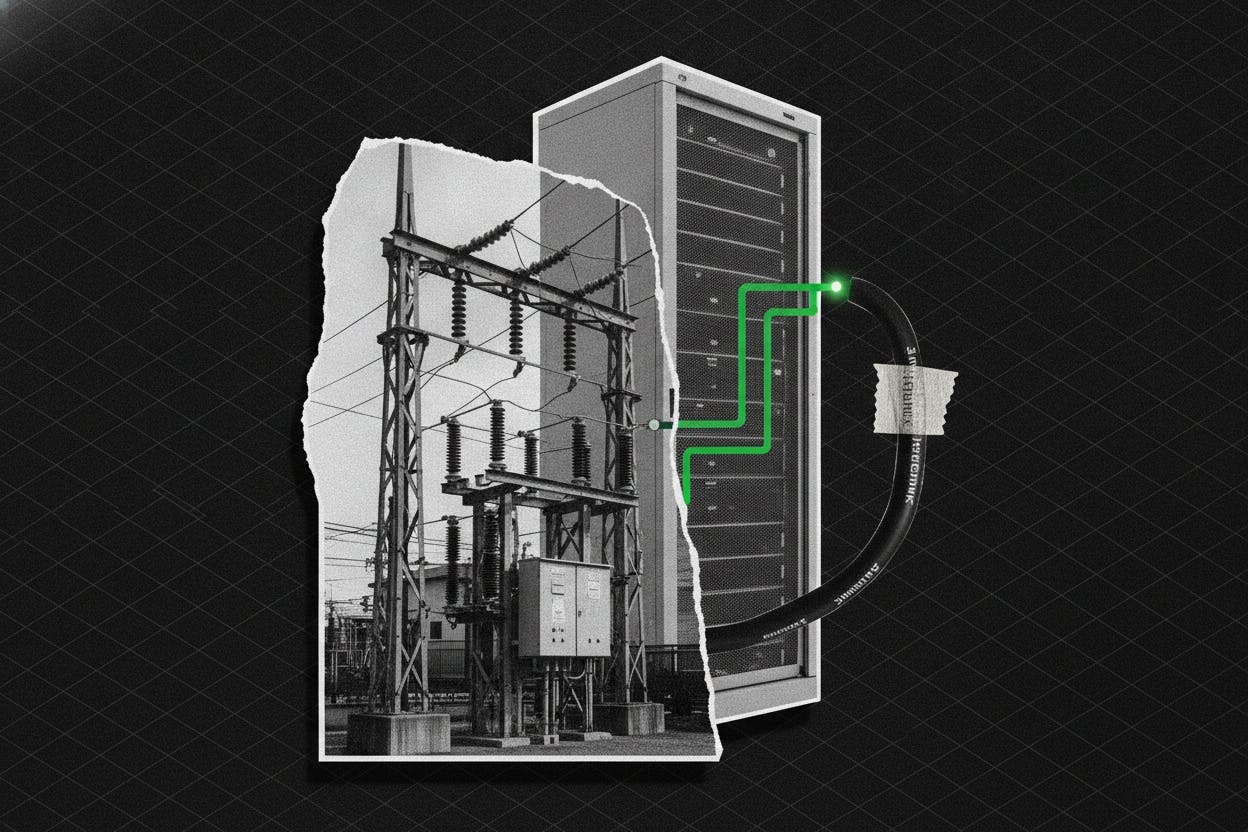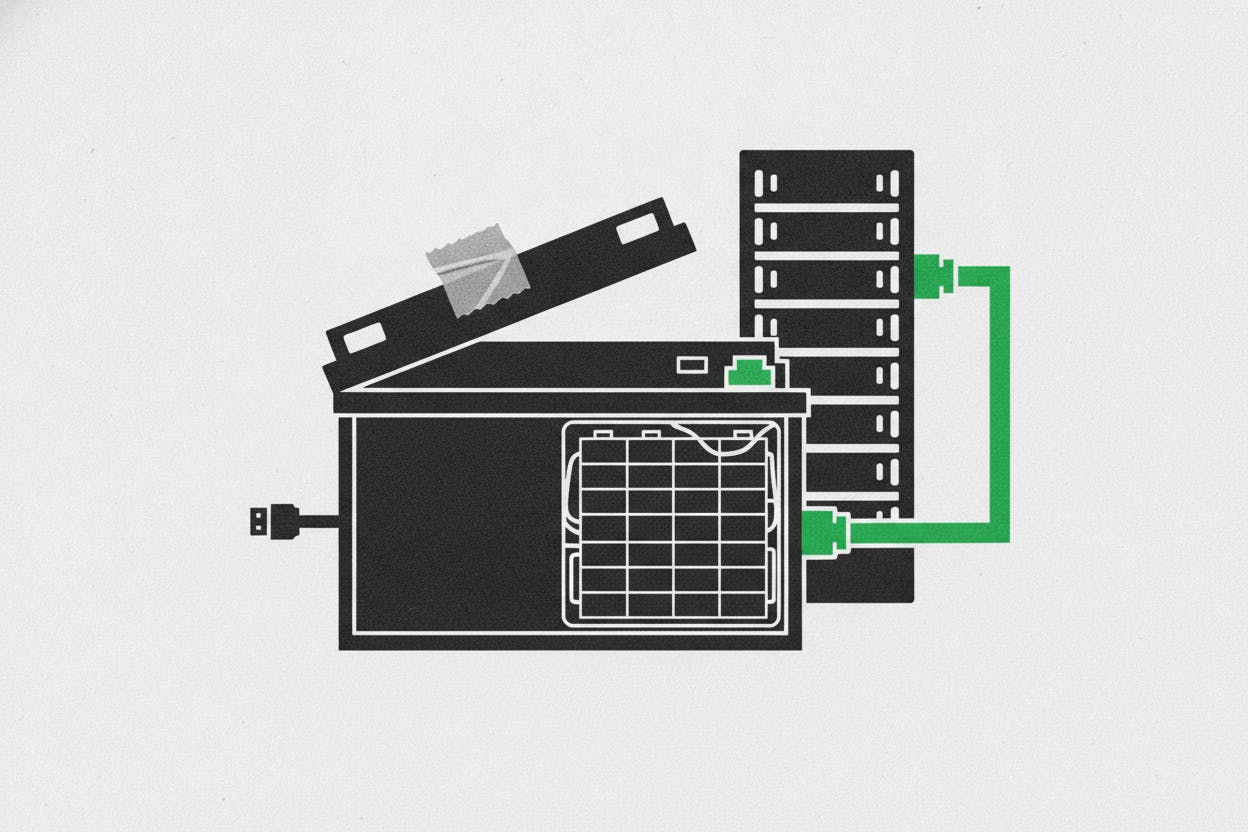
LG Energy Solution, one of the world's largest battery makers, is rebalancing its North American manufacturing footprint. By the end of this year, five of its eight plants on the continent will be producing cells for energy storage systems (ESS) rather than electric vehicle batteries, the company said. The move is a direct response to two forces: EV sales that have grown more slowly than expected, and booming demand for grid-scale batteries from AI data centers.
Why the pivot?
Battery makers and automakers spent tens of billions of dollars building U.S. capacity on the assumption that EV adoption would accelerate quickly. That boom has been slower to materialize, leaving many factories underused. At the same time, data centers—especially those powering artificial intelligence—need massive amounts of electricity and are turning to battery storage to manage peak demand and backup power.
LG Energy Solution's Lansing, Michigan plant has already begun supplying storage cells to Tesla and utilities, according to Reuters, while still producing some EV cells. The company is essentially trying to keep its production lines busy by shifting output to a product with stronger near-term demand.
What this means for the EV and storage markets
The decision highlights a broader trend: the line between EV batteries and grid storage batteries is blurring. Both use similar lithium-ion cell technology, though storage cells are often optimized for longer life and lower cost rather than high power output. That flexibility lets manufacturers switch production relatively quickly when demand shifts.
For automakers, the news is a reminder that battery supply may not be as tight as once feared. If LG Energy Solution is reallocating capacity away from EVs, it suggests the company sees more profit or more certain demand in storage. That could ease concerns about battery shortages for EV makers, but it also signals that EV demand growth is not meeting earlier expectations.
For utilities and data center operators, the shift is a positive sign. More domestic storage cell production could help lower costs and shorten lead times for grid-scale projects, which are critical for integrating renewable energy and ensuring reliable power for AI workloads.
What it means for investors
For everyday investors, this is a useful signal about where the energy transition is heading. The pivot suggests that while EV adoption is still growing, the pace is uneven. Meanwhile, energy storage is emerging as a faster-growing segment, driven by the electricity needs of AI and the broader push to modernize the grid.
Investors with exposure to battery makers, utilities, or data center companies should watch how these shifts play out. Companies that can adapt their production to meet the strongest demand—whether that's EV batteries or storage cells—may be better positioned than those locked into a single market.
It's also worth noting that this is not unique to LG Energy Solution. Other battery manufacturers are likely making similar calculations, and the energy sector's recent strength reflects broader moves in commodities and power markets. The rise in oil prices and energy-driven inflation are also part of the backdrop, as higher energy costs can affect both EV economics and the appeal of storage.
Looking ahead
LG Energy Solution's announcement is a clear sign that the battery industry is adapting to a new reality. The question now is how quickly other manufacturers follow suit, and whether the storage market can absorb the additional capacity. For investors, the key takeaway is that the energy transition is not a straight line—it's a series of adjustments as companies respond to changing demand.
As always, it's important to remember that individual company decisions like this one are just one piece of the puzzle. Diversification and a long-term view remain the best strategies for navigating the ups and downs of the energy and technology sectors.