LG Electronics has struck a multiyear agreement to supply more than 5 gigawatts' worth of air-cooled centrifugal chillers for AI data center projects in the United States and Canada. The projects are being run by AIR Control Concepts, an engineering and construction firm. While the financial terms were not disclosed, the scale of the deal signals that cooling has become a central piece of the AI infrastructure boom.
Why cooling matters for AI
AI data centers are power-hungry and heat-generating. Servers packed with advanced chips draw enormous amounts of electricity, and that energy turns into heat that must be removed quickly to keep equipment running reliably. As AI workloads expand, data center operators are finding that cooling is no longer a back-office afterthought but a core design decision.
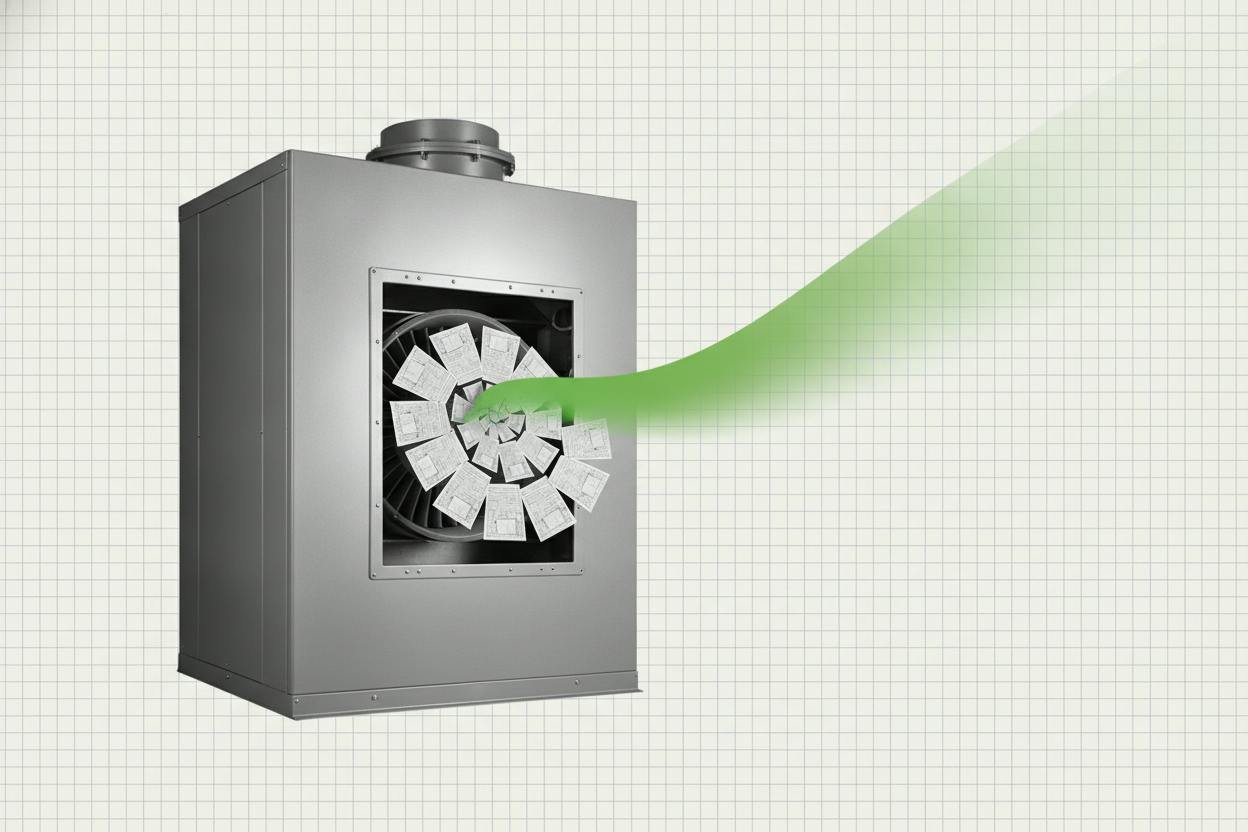
LG's solution uses air-cooled centrifugal chillers, which pull in outside air to reduce the workload on compressors. The company says this "refrigerant-free" approach can cut annual energy use by 30% compared with "waterside-free" systems, another cooling design that aims to avoid water-intensive infrastructure. These efficiency gains matter because cooling can account for a significant share of a data center's total energy consumption.
The deal is part of a broader trend: as AI data centers scale up, the industry is looking for ways to manage both power and heat more efficiently. This has turned cooling equipment into a strategic purchase, not just a commodity buy.
What it means for LG's business
For LG, this contract is more than a single headline. The company says it booked over $428 million in data center cooling orders in the first half of the year and expects to beat its 680 million won target early. That suggests demand is becoming a repeatable pipeline rather than a one-off win.
The deal also highlights how LG is positioning its heating, ventilation, and air-conditioning (HVAC) business as a supplier to AI infrastructure. Historically, HVAC has been seen as a cyclical, appliance-adjacent segment. But with data center cooling demand rising, it could become a steadier, more predictable revenue stream.
According to The Seoul Economic Daily, the contract could be worth up to 2.5 trillion won, based on typical chiller spending per gigawatt of AI data center capacity. Even without official pricing, the math shows how large these deals can be.
What it means for investors
For investors watching the AI supply chain, this deal is a reminder that the opportunity extends beyond chipmakers and cloud providers. Companies that supply the physical infrastructure—cooling, power, networking—are also benefiting from the AI buildout.
Data center operators don't choose chillers based on upfront price alone. They care about total cost of ownership, which includes the lifetime cost of electricity, maintenance, and the risk of downtime. If LG's design really does cut cooling power use, operators can run more computing within a fixed power envelope. That makes a product more likely to be "specified in" on follow-on builds, creating a recurring revenue stream.
That's the prize for investors: recurring orders with clearer visibility, rather than one-off project wins. It could also change how the market values LG's HVAC business, shifting it from a cyclical segment to a more stable picks-and-shovels supplier to AI infrastructure.
The broader context is that AI data center demand remains strong, even as interest rates stay elevated. Companies are still investing heavily in AI capacity, and that spending is rippling through the supply chain. For example, DayOne Data Centers recently filed for a US IPO, a sign that the market for AI infrastructure is still attracting capital.
Cooling is just one piece of that puzzle, but it's a critical one. As AI workloads grow, the industry will need more efficient ways to manage heat. LG's multiyear deal is a bet that it can be a leader in that space.
For everyday investors, the takeaway is that the AI boom is not just about software and chips. It's also about the physical systems that keep data centers running. Companies that provide those systems—like LG with its chillers—could see steady demand for years to come.