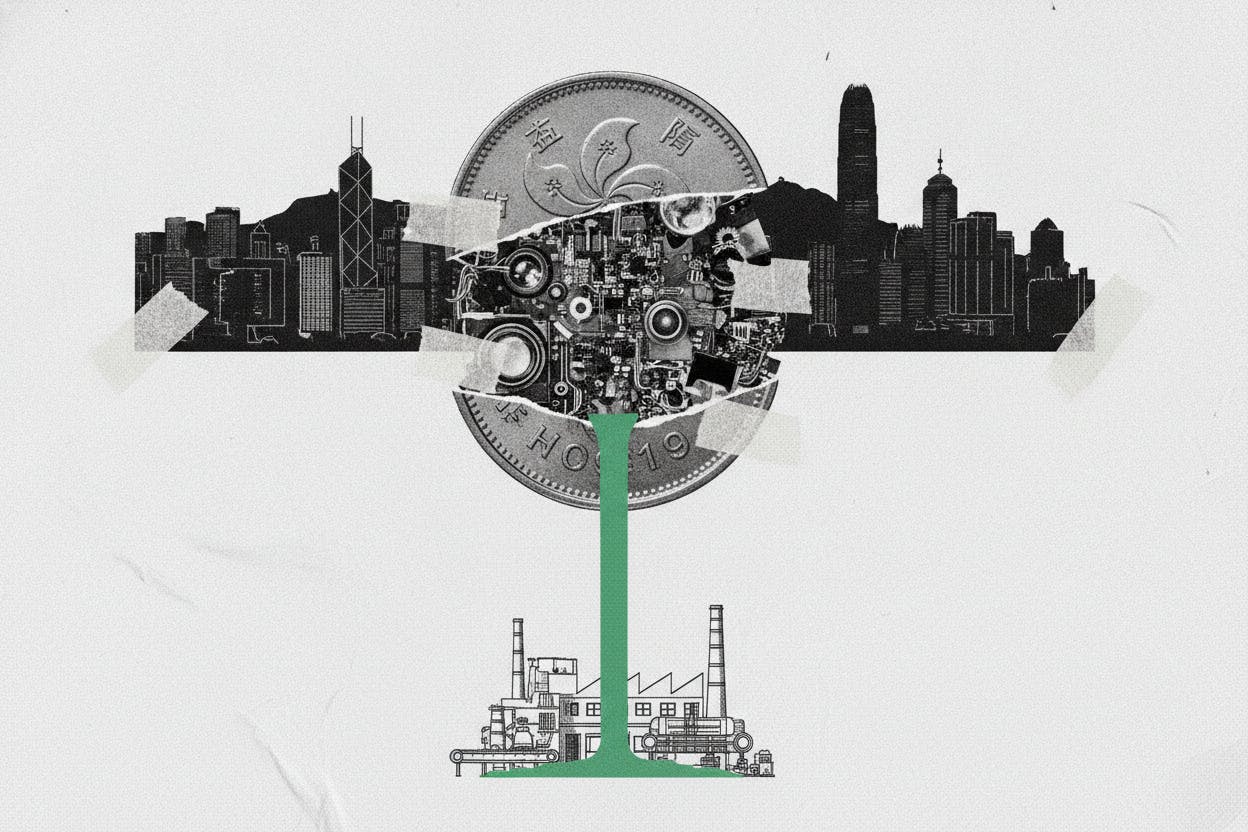
Schneider Electric, a global leader in industrial automation, has agreed to acquire PTC, a maker of engineering and factory software, in an all-cash deal valued at $23.7 billion. The offer of $205 per share represents a significant premium, reflecting the strategic importance of software that is deeply embedded in modern manufacturing workflows.
The acquisition is a clear signal that even as AI-related stocks experience daily volatility, companies continue to prize technology that becomes indispensable once integrated into operations. PTC's software, used for product design, simulation, and lifecycle management, is exactly the kind of "picks-and-shovels" tool that sits at the heart of industrial digital transformation.
Why PTC? The "Sticky" Software Advantage
PTC's software is not easily replaced. Once a manufacturer builds its engineering and production processes around PTC's tools, switching to a competitor would be costly, disruptive, and risky. This "stickiness" is a key reason Schneider Electric is willing to pay a hefty premium. For Schneider, the deal expands its software portfolio and strengthens its position in the growing market for smart factories and the Industrial Internet of Things.
This acquisition is part of a broader trend of industrial companies buying software firms to add higher-margin, recurring revenue streams and to offer customers more integrated solutions. It also reflects the increasing importance of software in physical industries, where data and connectivity are becoming as critical as machinery and equipment.
Big Tech Tightens Grip on Enterprise AI
In a separate development, The Information reported that Meta Platforms and Microsoft are steering their employees away from Anthropic's Claude AI assistant and toward their own internal AI tools. While this may seem like routine internal housekeeping, it highlights a significant advantage that Big Tech holds in the enterprise AI market: control over the digital workplace.
Companies like Meta and Microsoft own the identity systems, permissions, and admin settings that govern how employees access software. By making their own AI tools the default option, they can quietly shape which assistant becomes the standard inside an organization. This is a powerful distribution channel that standalone AI providers like Anthropic lack.
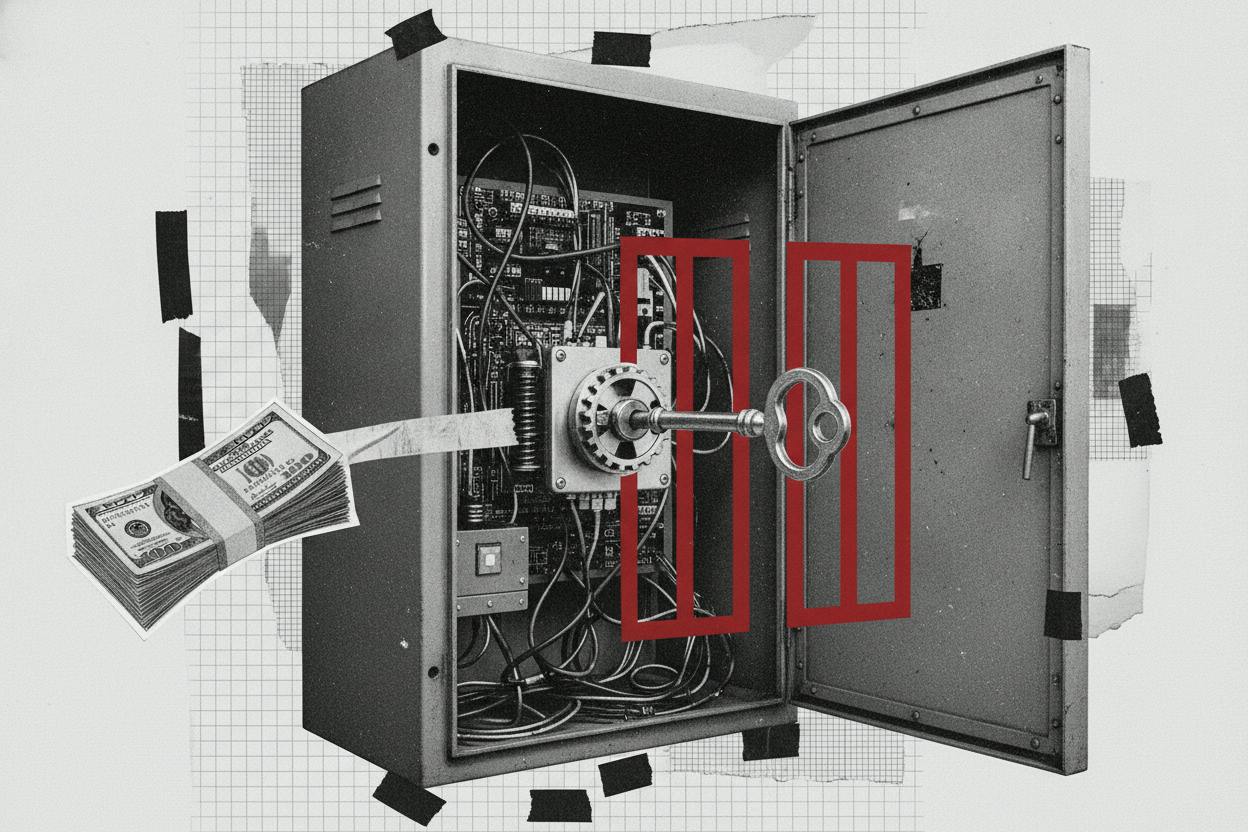
Defaults matter enormously in enterprise technology. When an AI tool is pre-approved and integrated with single sign-on, data access rules, and security monitoring, it becomes the path of least resistance for employees and IT departments. Even if workers prefer a third-party assistant, the friction of deploying it at scale—obtaining approvals, ensuring compliance, and managing security—often makes it impractical.
The Self-Reinforcing Loop of Default AI
Once an in-house AI tool becomes the default, a self-reinforcing loop kicks in. More usage generates more feedback and workflow context, which helps the platform refine its models and features. This improves the tool, making it even more valuable and harder to abandon. For IT and compliance teams, switching later would mean re-evaluating security, retraining staff, and migrating data—a costly and risky proposition.
This dynamic means that a growing share of near-term enterprise AI revenue and usage is likely to accrue to Big Tech's stacks. Standalone assistants like Claude must find ways to break in without owning the workplace gatekeepers. They can try to win over individual users or target smaller companies, but they face an uphill battle against the default advantage.
What It Means for Investors
For investors, the PTC deal and the AI distribution dynamics offer several takeaways. First, the acquisition underscores the value of "sticky" software in industrial settings, which can provide stable, long-term revenue. This is a theme that may extend to other software companies with deep integration into customer operations.
Second, the AI story is not just about which model is technically superior; it's about distribution and control. Companies that own the enterprise platform—whether through operating systems, cloud services, or workplace productivity suites—have a structural advantage in shaping AI adoption. This could influence how investors evaluate AI-related stocks, favoring those with strong platform ecosystems.
Third, the divergence in AI stock performance, with some names rising and others falling, suggests that the market is becoming more discerning. Investors are looking beyond hype to fundamentals, including revenue growth, profitability, and competitive moats. The PTC deal is a reminder that even in a tech-driven market, traditional industrial software can command premium valuations when it offers strategic value.
As always, investors should consider how these trends fit into their broader portfolio strategy. The M&A activity and the shifting dynamics in enterprise AI are part of a larger narrative about digital transformation and the increasing importance of software in every sector. For those watching the markets, these developments are worth monitoring closely.