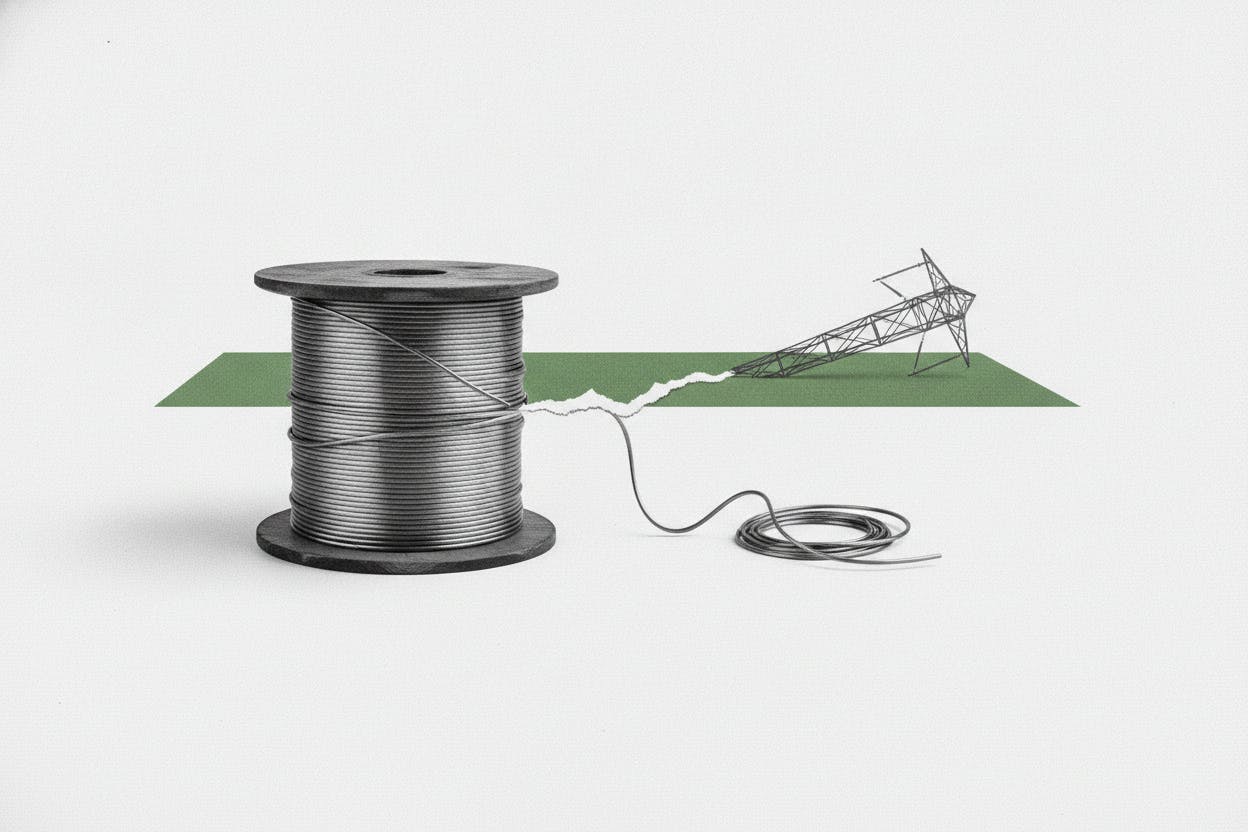
Lundin Mining has trimmed its 2026 copper production outlook for its Caserones mine in Chile after a second power outage in less than a month disrupted operations. The Canadian miner now expects to produce between 120,000 and 130,000 tonnes of copper in 2026, down from its previous forecast of 130,000 to 140,000 tonnes.
The company also raised its expected cash cost for the mine to $2.15 to $2.35 per pound, up from $2.05 to $2.25. The revised guidance reflects the impact of severe weather in the Atacama region, where Caserones is located.
What happened at Caserones?
On August 14, strong winds and heavy snowfall damaged a transmission tower that supplies power to the mine, triggering an outage. This was the second such disruption in recent weeks; the mine had already lost power from July 18 to July 30 due to similar storm damage.
Lundin said repairs are underway and that full power should be restored by the end of the week. However, the repeated interruptions have forced the company to reassess its production and cost expectations for the coming year.
Caserones is a large copper mine in northern Chile, a region known for its arid desert conditions but also for occasional severe winter storms that can disrupt infrastructure. The mine has been a key part of Lundin's portfolio, contributing significantly to its overall copper output.
Why copper matters
Copper is a critical industrial metal used in everything from electrical wiring to construction and increasingly in electric vehicles and renewable energy systems. Prices for copper have been volatile recently, influenced by global demand, particularly from China, and supply disruptions at mines like Caserones.
For investors, copper miners' production guidance is a key metric because it directly affects revenue and profitability. When a company cuts its output forecast, it often signals lower future earnings, which can weigh on the stock price. Conversely, higher cash costs mean the company spends more to produce each pound of copper, squeezing margins.
Lundin's revised guidance is a reminder that mining operations are subject to external risks, including weather, that are largely beyond management's control. While the company is working to restore power, the financial impact of the outages will likely be felt in its next earnings reports.
What it means for investors
For everyday investors, this news is a cautionary tale about the risks inherent in commodity producers. Even well-run miners can face unexpected disruptions that alter their financial outlook. Lundin's stock may react negatively to the guidance cut, but long-term investors should consider whether the company's overall portfolio and management can weather such setbacks.
Investors should also keep an eye on copper prices. If prices remain strong, the impact of lower production might be partially offset. However, if copper prices weaken, the combination of lower output and higher costs could hit earnings harder.
Lundin is not the only miner facing challenges. Chile's economy has been affected by falling copper output, and other producers have also dealt with operational issues. The broader copper market has seen prices slip from recent highs as demand hopes cool, adding another layer of uncertainty.
For those interested in the copper sector, it's worth watching how Lundin and its peers manage these disruptions. The company's ability to restore full operations quickly and meet its revised targets will be crucial. BHP's recent focus on copper highlights the metal's strategic importance, but also the challenges of ramping up production.
In the short term, investors should expect some volatility in Lundin's shares as the market digests the news. The company's next quarterly report will provide more details on the financial impact and any further adjustments to guidance.
Ultimately, this episode underscores the importance of diversification. Mining stocks can offer attractive returns, but they come with unique risks. A well-balanced portfolio can help mitigate the impact of any single company's setbacks.