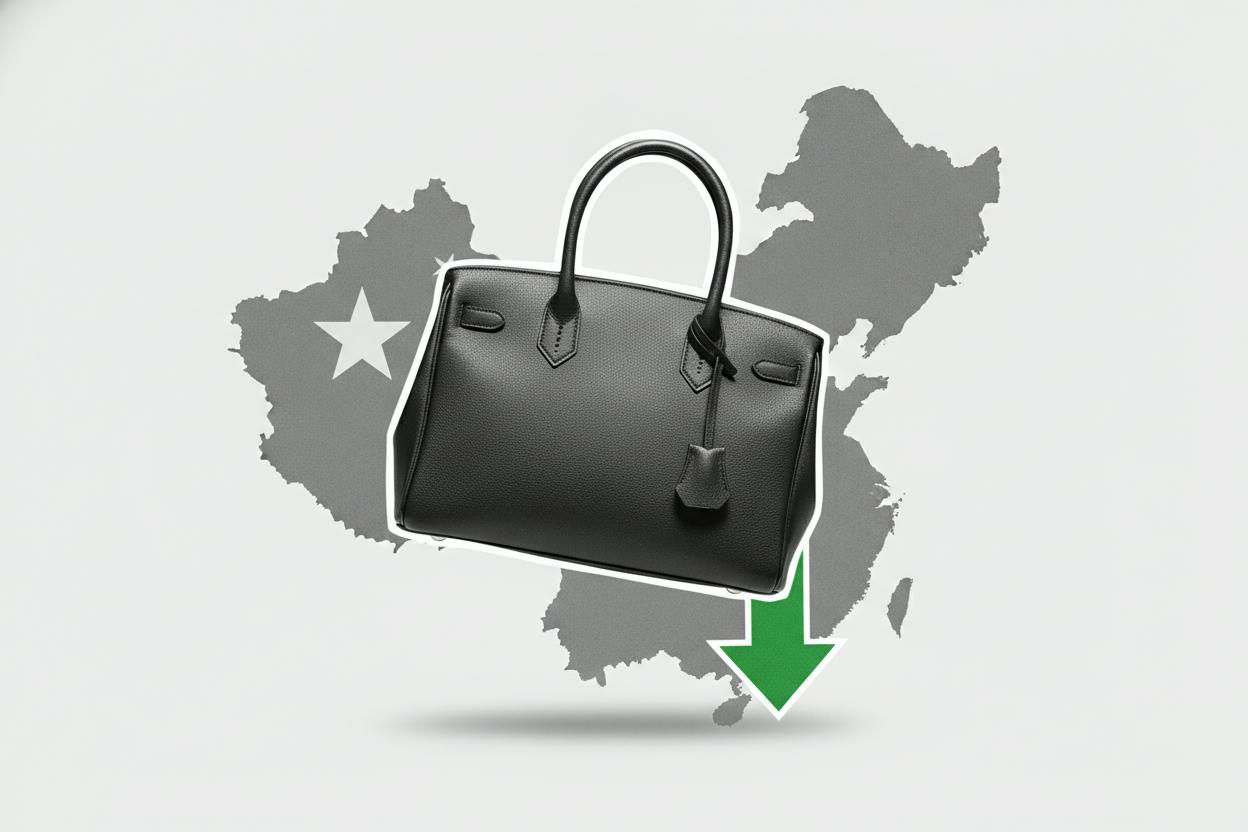
Luxury giant LVMH has delivered a sobering start to earnings season, reporting a 5% drop in sales at its flagship fashion and leather goods division. The company pointed to a “less buoyant” China, adding to worries that the global luxury slowdown is far from over.
What the numbers show
For the latest quarter, LVMH said organic sales—which strip out currency movements—rose just 1% to €18.5 billion, slightly below what analysts had expected. The real stumble came in fashion and leather goods, the division that houses Louis Vuitton and Dior. That unit missed forecasts by a wide margin, underscoring how much the company’s profitability depends on this segment.
LVMH is the world’s largest luxury group, and its results are often seen as a bellwether for the entire sector. When LVMH sneezes, the rest of the luxury industry catches a cold. So a decline in its most important product category is a red flag for investors watching other high-end brands, from Gucci owner Kering to Hermès.
Why China matters so much
China has been the engine of luxury growth for over a decade. Chinese shoppers—both at home and traveling abroad—account for a huge share of global luxury spending. But that engine has sputtered recently. Economic uncertainty, a property market slump, and cautious consumer sentiment have made even wealthy Chinese buyers more careful with their wallets.
This isn’t the first warning sign. Other sectors have already felt the chill. For instance, weak Chinese car sales have weighed on commodity markets, and China’s stock market has been under pressure as investors fret over growth. The luxury sector, which thrived on Chinese demand, is now facing the same headwinds.
LVMH’s comments suggest that the recovery many hoped for in China is taking longer than expected. The company’s language of “less buoyant” demand is a polite way of saying that the bounce-back hasn’t materialized.
What it means for investors
For everyday investors, this news is a reminder that even the most successful companies can be hit by broader economic trends. LVMH is a massive, well-run business, but it cannot escape the reality that consumers—especially in China—are spending less on luxury items.
If you own shares in LVMH or other luxury stocks through a fund or ETF, expect some volatility. The market will be watching to see if this is a temporary blip or the start of a longer downturn. Historically, luxury has been resilient, but a prolonged Chinese slowdown could test that resilience.
It’s also worth noting that LVMH’s struggles are not isolated. The broader luxury sector is facing similar pressures, and investors should be cautious about expecting a quick rebound. As Givaudan’s fragrance boom shows, some niches are still growing, but the mainstream luxury goods market is clearly cooling.
What to watch next
Investors will be looking for signs of stabilization in China. Any improvement in Chinese consumer confidence or government stimulus measures could help lift luxury sales. Conversely, if the slowdown deepens, more luxury companies may follow LVMH with disappointing results.
Also keep an eye on currency movements. LVMH’s organic sales growth of 1% was helped by favorable exchange rates, but a stronger euro could hurt future results. And watch for how other luxury players report in the coming weeks—their numbers will confirm whether this is a company-specific issue or a sector-wide trend.
For now, the message from LVMH is clear: the luxury party is on hold, and China is the reason. Investors should brace for more cautious times ahead.