Malaysia's government is facing a rapidly growing fuel subsidy bill that could reach 40 billion ringgit (about $9.8 billion) this year, far exceeding the 15 billion ringgit originally budgeted. Prime Minister Anwar Ibrahim disclosed the warning in a written parliamentary reply, according to Reuters, after monthly spending jumped from roughly 800 million ringgit in January and February to around 5 billion ringgit in March and April.
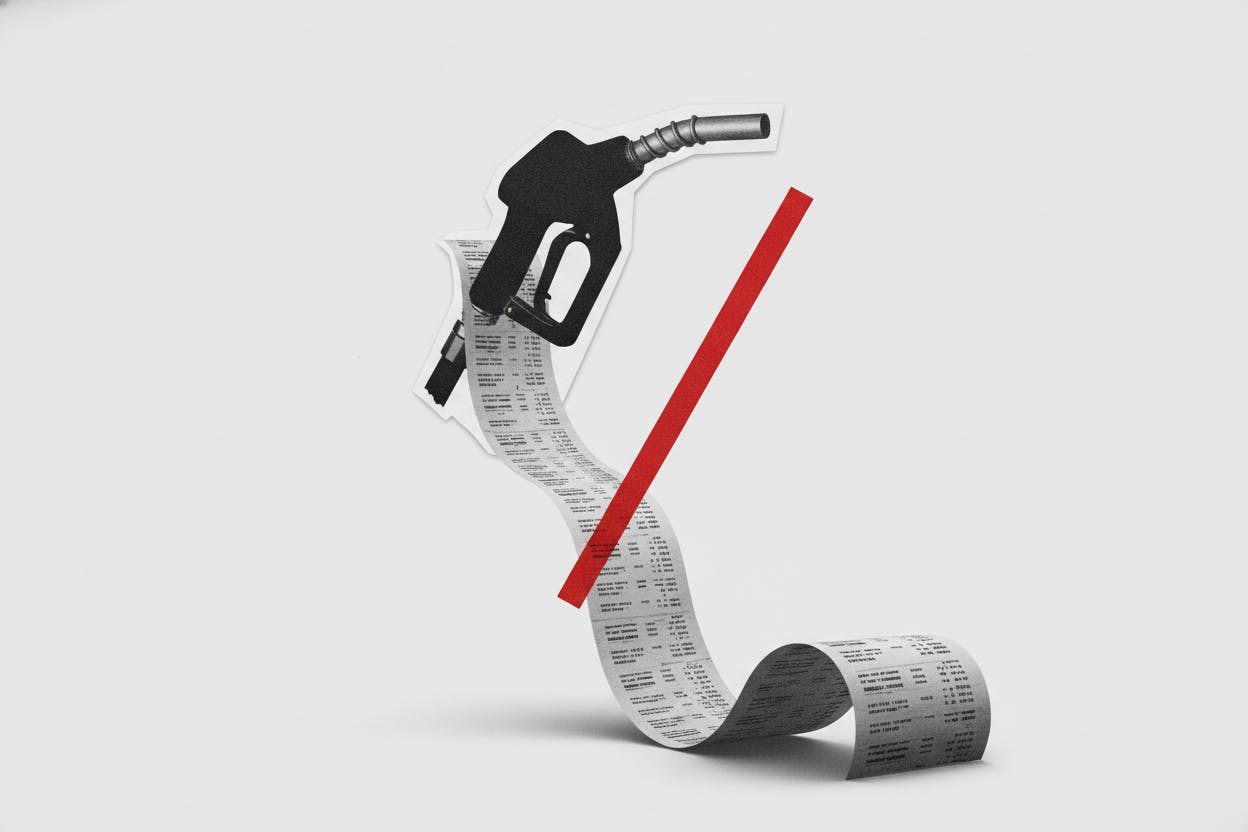
The sharp increase reflects how Malaysia's system of subsidizing diesel and RON95 gasoline works: when global oil prices rise, the government automatically pays the difference to keep pump prices affordable. That makes the subsidy bill highly sensitive to energy market swings, and the recent spike in crude prices has turned what was once a manageable budget line into a potential fiscal headache.
How Subsidies Work and Why They Matter
Fuel subsidies are a common tool in oil-producing and consuming nations to shield households and businesses from volatile energy costs. In Malaysia, the government sets a fixed retail price for RON95 gasoline and diesel, then compensates fuel retailers for the gap between that price and the market cost. When global oil prices climb, the subsidy per liter rises, and total spending can balloon quickly.
Anwar's warning that the bill could hit 40 billion ringgit underscores the challenge of predicting such costs in a volatile energy market. The 15 billion ringgit budgeted for the year was based on more moderate price assumptions, but the monthly spending in March and April alone—about 5 billion ringgit each—suggests the annual total could be far higher if those levels persist. The prime minister emphasized the need to keep assistance "sustainable," according to Reuters, while reaffirming continued support for households.
What It Means for Investors
For bond investors, a 40 billion ringgit fuel subsidy bill versus a 15 billion ringgit budget line is a significant shift. When a government's spending on a single item jumps from hundreds of millions of ringgit a month to several billion, it stops being a controllable budget number and becomes a major fiscal risk. If the bill moves toward Anwar's worst-case scenario, the gap typically shows up as extra borrowing or heavier bond issuance.
More expected supply of Malaysian Government Securities can push up yields, especially on longer-dated bonds where investors demand more compensation for locking money away. If markets start to see subsidy overshoots as a repeating feature of energy shocks, it could add modest pressure on the ringgit by making Malaysia's fiscal path look less predictable. For equity investors, companies in energy-sensitive sectors like transportation and manufacturing may face indirect effects if the government eventually adjusts subsidy policies or raises taxes to cover the shortfall.
The broader context includes Malaysia's ongoing efforts to balance fiscal discipline with social support. The country has run budget deficits for years, and large subsidy bills can widen those deficits, potentially affecting credit ratings or investor sentiment. Anwar's government has signaled it wants to reform subsidies over time, but doing so is politically sensitive because fuel costs directly affect household budgets and business costs.
In related energy market news, palm oil prices have held steady recently as support from soyoil offsets weaker crude and ringgit movements, a dynamic that can influence Malaysia's export revenues and overall economic outlook. Meanwhile, foreign investors have been pulling capital from Asian markets, with a record $137 billion outflow from AI chip stocks, though Malaysia's bond market remains a destination for yield-seeking investors.
For everyday investors, the key takeaway is that Malaysia's fuel subsidy bill is no longer a small, predictable item. It has become a wildcard that can swing with oil prices, affecting government borrowing costs, the ringgit's value, and the broader fiscal picture. Watching monthly subsidy data and oil price trends can offer clues about whether the 40 billion ringgit scenario becomes reality or if the government finds ways to contain costs.